Meningitis Outbreak: Health Expert Urges Caution, Vaccine Clarity
Health experts are addressing a concerning meningitis outbreak in the UK, particularly among students in Kent. Pharmacist Thorin Govind explains the symptoms, how the infection spreads through close contact, and the complexities surrounding vaccine availability and effectiveness. He urges a mindful approach, prioritizing those most at risk while advising against panic.

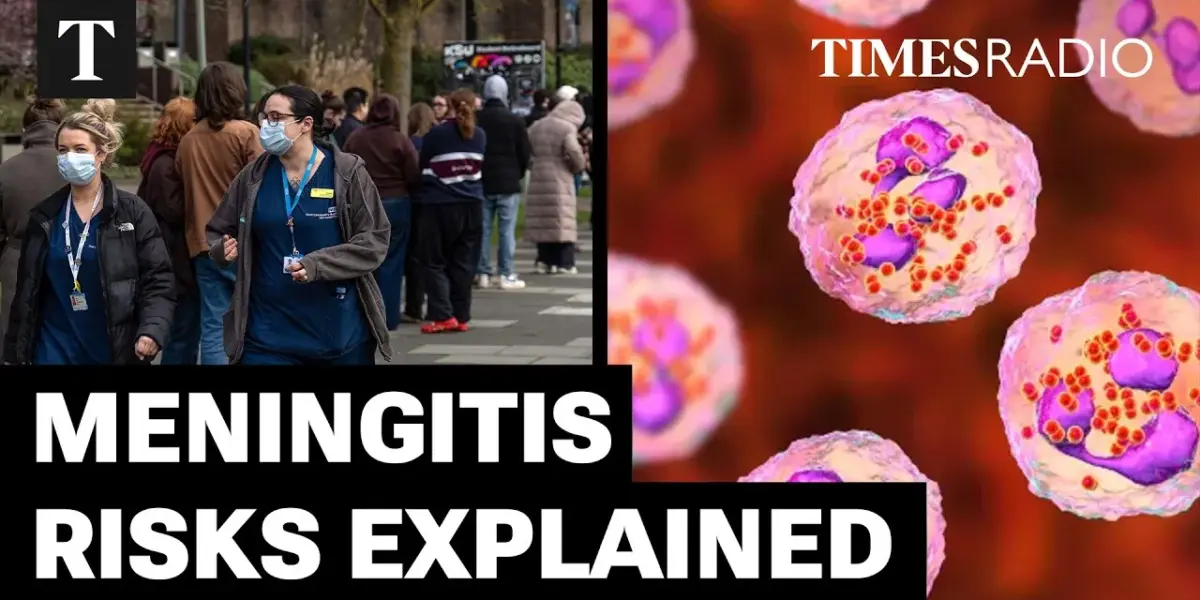
UK Faces Meningitis Surge: Thousands Targeted for Vaccines
The UK Health Security Agency (UKHSA) is responding to a significant outbreak of meningitis, particularly affecting students in Kent. Health officials are urging thousands of young people to get vaccinated and take antibiotics. As of the latest reports, 15 cases of meningitis have been confirmed, a rise from previous figures, with two tragic deaths reported.
Understanding Meningitis: Symptoms and Spread
Meningitis is an infection that inflames the protective membranes surrounding the brain and spinal cord. The current concern centers on bacterial meningitis, specifically the Men B strain. Pharmacist and health expert Thorin Govind explained that while some people experience symptoms like high fever, others may show no signs at all. The infection can sometimes mimic hangover symptoms, leading to delayed recognition.
Bacterial meningitis is spread through close personal contact. This includes activities like kissing, sneezing, and coughing. Health chiefs are tracing close contacts of those affected, particularly those who visited a specific nightclub in Kent. These individuals are being offered preventative antibiotics. Govind stressed the importance of completing the full course of antibiotics to prevent the development of antimicrobial resistance.
Transmission Risks: Close Contact is Key
While sneezing and coughing can spread germs, meningitis transmission is primarily linked to more intimate forms of contact. Sharing vapes, drinks, or even lipsticks with an infected person increases the risk. Govind noted that the Men B bacteria can be present in the throat of many individuals without causing illness. This means people can carry the bacteria without knowing they are a potential source of infection.
“It’s that close contact which is which is most important… that sort of more intimate contact.” – Thorin Govind, Pharmacist and Health Expert
Vaccination: Availability and Effectiveness
The Men B vaccine is a key part of the discussion surrounding the outbreak. Currently, the NHS offers the Men B vaccine to babies at 8 weeks, with a second dose at 12 weeks and a booster at one year old. However, many teenagers and young adults may not have received this vaccination because it wasn’t part of the routine schedule when they were infants.
Govind addressed the surge in demand for the vaccine at pharmacies. He clarified that the Men B vaccine primarily protects the individual who receives it and may not be as effective at preventing transmission within a population. Other meningitis vaccines, like the Men ACW vaccine, are offered to teenagers and university students.
The focus of the UKHSA’s response is on identifying and treating close contacts to curb transmission. However, Govind pointed out potential challenges with vaccine supply. Pharmacies do not typically keep large stocks of the private Men B vaccine, as it is usually ordered on demand. Currently, there are significant stock issues, making it difficult for individuals to access the vaccine even if they are willing to pay.
Prioritizing Care and Sensible Steps
When asked about parents seeking private vaccinations for their children, Govind advised prioritizing those in affected areas, like Kent. He explained that the private Men B vaccine is not part of a widespread NHS rollout for older age groups. The limited supply necessitates strategic distribution, making the targeted approach in Kent appropriate.
Govind urged the public not to panic but to be mindful. He suggested that individuals in higher-risk situations, such as university students or those in close contact with confirmed cases, should be more concerned. Rushing to pharmacies could strain resources and potentially divert care from those most in need.
The most effective actions individuals can take include contacting health services if they are a close contact and following guidance for emergency situations. For everyday life, Govind recommended being more cautious about intimate contact, such as sharing vapes or drinks, especially when unsure of others’ health status. He described this as a mindful approach rather than a cause for widespread alarm.
Looking Ahead: Vigilance and Information
While bacterial meningitis is rare, the current outbreak highlights the importance of awareness and timely intervention. Health officials continue to monitor the situation closely. The public is encouraged to stay informed through reliable sources and to follow public health advice. Being aware of symptoms and transmission methods, while avoiding unnecessary panic, remains the most prudent course of action.
Source: Meningitis Outbreak: Health Expert Explains Symptoms, Risks And Vaccine Advice (YouTube)

Related Articles


New COVID Variant Fuels Health Concerns Amid Allergy Season
A new, more contagious COVID-19 variant from the Omicron family is spreading across the U.S., detected in wastewater and potentially evading vaccines. The timing complicates symptom identification as allergy season begins, with experts advising symptom duration and accompanying fever as key differentiators.


Vaccine Hesitancy: A Doctor’s Warning on Health Risks
A doctor warns that jokes about science and vaccines can have dangerous real-world health consequences. The rise of misinformation is linked to outbreaks of preventable diseases like measles and the rejection of essential newborn care.


Ex-CDC Official Slams ‘Hijacked’ Agency, Demands Science-Driven Leader
A former CDC official has described the agency as "hijacked," criticizing political interference and a lack of transparency. He calls for a new leader with deep public health experience who will prioritize science. The agency's future hinges on restoring trust and scientific integrity.