Melbourne F1 Track Opens for Cyclists: A Smooth Ride with a Few Scrapes
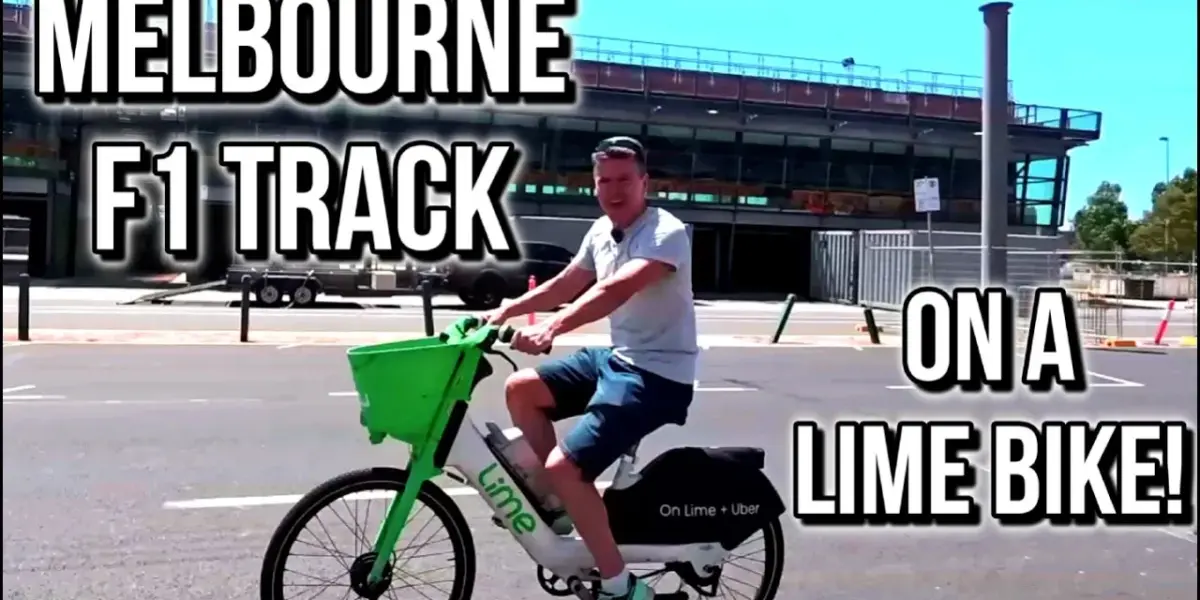
Melbourne's Albert Park Circuit, home to the Formula 1 Grand Prix, is now accessible for public cycling, offering a smooth and scenic ride. A recent experience on a Lime bike revealed the track's excellent condition and tourist appeal, despite a minor fall attributed to camera adjustments.

Melbourne’s Albert Park Circuit Transforms for Public Access
Melbourne, Australia – The iconic Albert Park Circuit, home to the Formula 1 Australian Grand Prix, has opened its tarmac to the public, offering a unique opportunity for cycling enthusiasts and tourists. A recent experience riding a Lime bike around the famed Grand Prix circuit highlighted the track’s smooth surface and scenic route, though not without a minor incident.
A Unique Perspective on a World-Class Track
The Albert Park Circuit, a temporary street circuit that winds through the picturesque Albert Park, is renowned for its smooth asphalt, a necessity for accommodating Formula 1 cars. This characteristic also makes it an exceptionally pleasant surface for cycling. The accessibility of the track to the general public, outside of Grand Prix events, provides a rare chance to experience a professional motorsport venue from a different vantage point.
The journey began at what is described as ‘pole position,’ setting off on a Lime bike with the aim of completing a lap as quickly as possible. The experience, however, was not without its challenges. The rider encountered a minor accident early on, attributing it to attempting to adjust a camera mounted on the bike’s basket while in motion. This resulted in a fall, leading to scrapes and bruises on the knee and elbow.
“Don’t play around with the camera in your basket is the motto of that story because you’ll end up coming off. So, just a few scrapes. Nothing to worry about.”
Smooth Surfaces and Scenic Views
Despite the mishap, the overall assessment of the circuit for cycling was highly positive. The track’s surface is described as “super smooth” and “incredibly good condition,” likely due to recent resurfacing in preparation for the F1 season. The route circumnavigates Albert Park, offering pleasant views of the lake and the surrounding greenery, making it a “very pleasant ride” and a “nice little ride” in addition to being a professional racing circuit.
The experience was undertaken on a particularly hot day, with temperatures reportedly exceeding 40 degrees Celsius. This necessitated taking breaks in the shade to cool down and attend to minor injuries. The rider noted the presence of stands around the track, which contributed to a palpable “F1 feel” for the venue.
Lime Bikes: Accessible Urban Mobility
The choice of a Lime bike for navigating the circuit underscored the convenience of modern micro-mobility solutions. The process is simplified through a mobile app, requiring users to scan a QR code on the bike to unlock it, with payment based on usage. This eliminates the need for traditional rental procedures such as paperwork, passports, or deposits, making it an accessible option for tourists and locals alike.
The rider emphasized that this type of activity is “good fun” and something “anybody can get involved with when they come to Melbourne.” The availability of bike lanes along the circuit further enhances the cycling experience, although it’s noted that these might be covered during the actual F1 event.
Market Impact and Investor Considerations
What Investors Should Know:
- Infrastructure Utilization: The opening of F1 circuits for public use highlights a trend in maximizing the utility of major sporting infrastructure beyond event days. This can create new revenue streams and enhance the value proposition of these venues.
- Micro-mobility Growth: The seamless integration of services like Lime bikes into urban exploration and tourism demonstrates the continued growth and adaptability of the micro-mobility sector. Companies in this space benefit from ease of access and pay-as-you-go models.
- Tourism and Local Economy: Such accessible activities can boost local tourism and the economy by offering unique experiences that attract visitors. This also supports the broader narrative of cities developing diverse leisure and recreational offerings.
- Safety and Risk Management: The minor accident serves as a reminder of the inherent risks associated with physical activities, even on seemingly benign surfaces. For investors in recreational activities or shared mobility, understanding and mitigating such risks is crucial.
Short-Term and Long-Term Implications:
In the short term, the accessibility of the Albert Park Circuit provides a novel attraction for Melbourne, potentially driving local tourism and engagement with the city’s sporting heritage. For micro-mobility providers, it offers a high-profile, engaging use case that can attract new users and reinforce brand visibility.
In the long term, the successful integration of public access to F1 circuits could set a precedent for other venues worldwide. This could lead to increased demand for similar multi-use infrastructure. Furthermore, the continued expansion of micro-mobility options, supported by user-friendly technology and flexible payment models, is likely to remain a significant trend in urban transportation and leisure, impacting related industries from vehicle manufacturing to app development and urban planning.
While the experience was largely positive, the rider’s minor injuries serve as a cautionary tale: “Keep your hands on the handlebars. Concentrate on what you’re doing. Don’t start messing about with your camera when you’re quite close to the edge of the track.” Nevertheless, the overall sentiment remains one of enjoyment and recommendation for this unique way to explore Melbourne.
Source: I Rode the Melbourne F1 Track… on a Lime Bike (YouTube)

Related Articles

F1 Roars into 2026 with Major Rule Changes and New Teams
Formula 1 is ushering in its 2026 season with the most significant rule changes in 75 years, featuring redesigned power units and lighter, more aerodynamic cars. Drivers will face new strategic challenges managing electrical energy, while the debut of Cadillac F1 adds to the season's intrigue.


Unlock Free Cash: 92% of Employers Offer 401(k) Match
Nearly all employers offer a 401(k) match, representing a significant source of 'free money' for retirement savings. Understanding and maximizing this benefit is crucial for long-term financial health, offering guaranteed returns and tax advantages.


AI Boom Sparks Memory Crisis, Consumer Prices Surge 300%
The AI boom has triggered a severe memory crisis, causing consumer PC component prices to surge by up to 300%. Memory manufacturers are prioritizing high-margin data center demand, leading to shortages and escalating costs for consumers, with significant price hikes expected for new computers by mid-2026.