Melania’s Epstein Denial Sparks White House Panic
Melania Trump's surprise press conference denying friendship with Jeffrey Epstein and Ghislaine Maxwell has sparked widespread speculation. Held without administration support, the timing coincides with new polls showing her as the most disliked First Lady ever, raising questions about her motives and future public image.

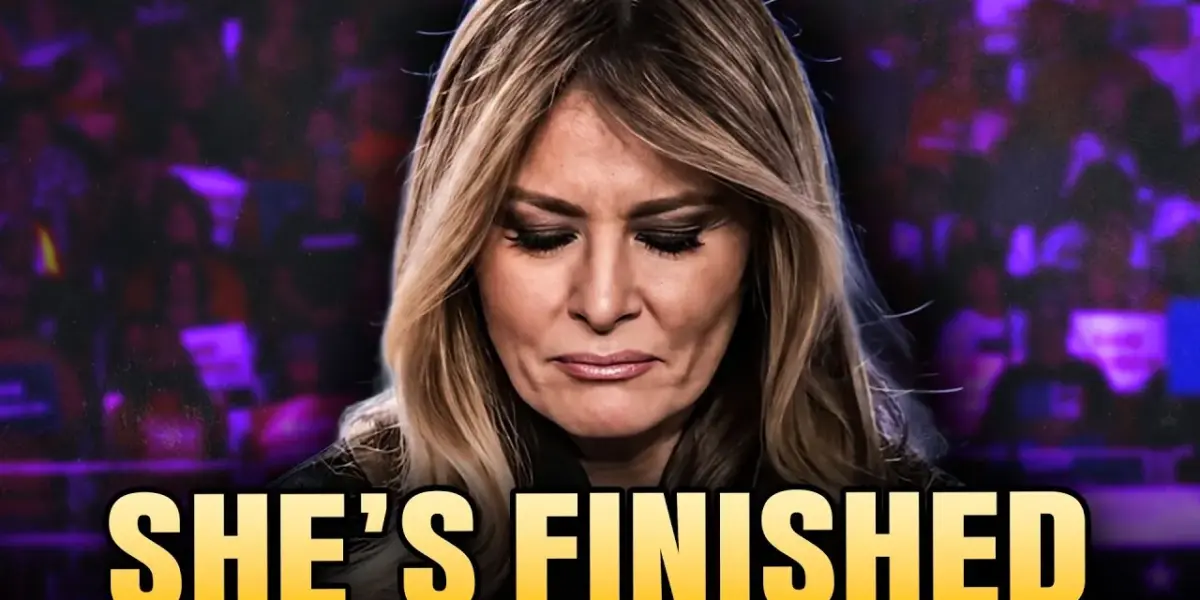
Melania’s Epstein Denial Sparks White House Panic
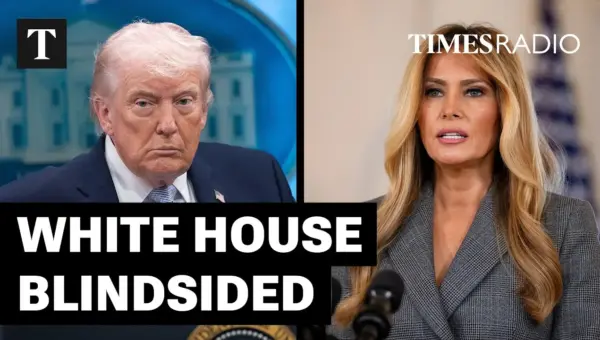
Melania Trump held a surprise press conference recently, a move that reportedly caught the White House and the public completely off guard. Standing alone before cameras, she stated she was never friends with Jeffrey Epstein or Ghislaine Maxwell. This statement, delivered without any other administration officials present, immediately led to speculation and concern within political circles.
The timing of this announcement has raised many questions. Why did she choose this specific moment to address her past associations? Reports suggest that the White House was blindsided, indicating a lack of coordination or prior knowledge of her plans. The public, too, was left wondering about the motivation behind such a sudden and unexpected declaration.
The Epstein Connection and Public Perception
While Melania Trump has denied any friendship with Epstein and Maxwell, there have been past reports and photographs linking her to them. However, the speaker in the video notes that there hasn’t been a recent surge in public discussion or media focus on Melania Trump’s connection to the Epstein case. This lack of current widespread attention makes her proactive denial even more puzzling.
The speaker suggests that Melania’s statement is a “prebuttal,” an attempt to get ahead of potentially damaging news. This implies that there might be more information about her involvement with Epstein and Maxwell that could soon become public. The idea is that she’s trying to control the narrative before any new revelations emerge.
Theories Behind the Surprise Statement
Several theories attempt to explain Melania Trump’s unexpected press conference. One theory, though considered unusual by the speaker, suggests it’s related to Donald Trump’s health. Some doctors have speculated that if Donald Trump is facing serious health issues, Melania might be trying to distance herself from him and any potential scandals, like the Epstein connection, in anticipation of his decline.
A more plausible theory is that significant and negative news regarding Melania Trump and the Epstein matter is imminent. This perspective views her statement as a defensive move to mitigate the impact of future revelations. It’s seen as an effort to prepare the public and control damage before damaging information is released.
Another theory points to a potential distraction. The speaker suggests this announcement might be intended to divert attention from other pressing issues. Specifically, it could be a distraction from developments concerning Iran, which itself might have been a distraction from the ongoing Epstein investigations. This suggests a complex web of diversionary tactics.
A Coincidental Poll?
The speaker presents their own theory, highlighting a striking coincidence in timing. Just hours before Melania Trump’s press conference, new polls were released indicating she is the most disliked First Lady in U.S. history. Her approval rating is reported to be 12 points underwater, meaning far more people disapprove of her than approve.
To put this into perspective, a year prior, her approval was only three points underwater. In contrast, other First Ladies like Michelle Obama (42 points above water), Laura Bush (46 points above water), Hillary Clinton (25 points above water), and Nancy Reagan (50 points above water) enjoyed much higher public favor during their time in the White House.
The speaker finds it suspicious that Melania Trump chose to address the Epstein issue on the very same day these unfavorable poll results were made public. This suggests a possible connection between her public image crisis and her sudden denial of association with Epstein and Maxwell.
Why This Matters
Melania Trump’s unexpected press conference and her strong denial of any connection to Jeffrey Epstein and Ghislaine Maxwell are significant for several reasons. Firstly, it highlights the lingering shadows of the Epstein scandal and how figures associated with it, even peripherally, may still face scrutiny. Secondly, the timing suggests a potential attempt to manage public perception and preemptively address damaging information, a common strategy in politics when facing potential crises.
Furthermore, the stark contrast between her current low approval ratings and those of previous First Ladies raises questions about her public engagement and the reasons behind her unpopularity. The fact that she felt compelled to hold a solo press conference on this matter, especially on a day marked by negative public opinion polls, indicates a perceived threat to her reputation that she felt the need to address directly, albeit mysteriously.
Implications, Trends, and Future Outlook
This event underscores a broader trend of public figures attempting to control narratives in the face of potential scandals. The speed at which information, or in this case, denial, can spread through media channels means that individuals may feel pressure to respond quickly, even without clear provocation. The lack of transparency surrounding the motivations for her statement leaves room for ongoing speculation about what might be revealed next.
The future outlook for Melania Trump’s public image remains uncertain. Her current standing in public opinion, as indicated by the polls, suggests a significant challenge in regaining public favor. Whether this denial will effectively distance her from any future Epstein-related revelations or if it will draw more attention to the matter is yet to be seen. The situation also reflects the intense public scrutiny faced by political figures and their families, especially when connected, even indirectly, to controversial events.
Historical Context and Background
The Epstein and Maxwell scandal involved a wealthy financier, Jeffrey Epstein, and his associate, Ghislaine Maxwell, who were accused of sex trafficking and abuse of underage girls. The investigations and subsequent trials brought to light a network of powerful individuals who were allegedly connected to them. The implications of these connections have continued to be a subject of public interest and journalistic inquiry for years.
First Ladies have historically played varied roles, from quiet supporters to active public figures. Their public image and approval ratings are often tied to the presidency itself, but also to their individual actions and perceived effectiveness. Melania Trump’s tenure was marked by a more private approach compared to some of her predecessors, which makes her sudden solo press conference on a controversial topic all the more noteworthy.
The comparison with past First Ladies’ approval ratings, such as Michelle Obama, Laura Bush, Hillary Clinton, and Nancy Reagan, provides a historical benchmark for public sentiment. The significant drop in Melania Trump’s approval suggests a notable shift in public perception, prompting questions about the underlying causes and the effectiveness of her recent public statement in altering that perception.
Source: Melania SUFFERING, Officially The Most Despised First Lady EVER (YouTube)

Related Articles
Melania Trump Breaks Silence on Epstein, Stuns Washington
Melania Trump has issued a surprising statement clarifying her past connection to Jeffrey Epstein, stating she is not a victim and did not meet her husband through him. The statement has caught many, including the media and political circles, off guard. Meanwhile, Donald Trump faces criticism from his own base over his stance on Iran, with some viewing it as a departure from his "America First" policy.


Artemis II Astronauts Homebound After Historic Moon Mission
The Artemis II astronauts are nearing Earth after completing a historic mission around the Moon, with splashdown expected tonight. Meanwhile, First Lady Melania Trump has broken her silence on Jeffrey Epstein, and the NFL is under federal investigation for its streaming practices.
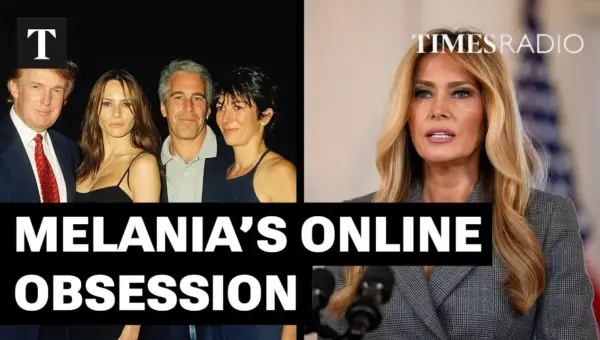
Melania Trump’s Online Obsession Sparks Surprise Epstein Speech
Former First Lady Melania Trump has made a rare public statement, focusing on online harassment and urging Congress to investigate the Jeffrey Epstein case. Sources suggest her decision stems from an intense fixation on her online reputation, with the timing raising questions about its impact on Donald Trump.