Melania Trump Breaks Silence on Epstein Ties, Iran War Dominates
Melania Trump broke her silence on Jeffrey Epstein allegations, denying any close relationship and stating the lies must end. Meanwhile, a reported ceasefire in the Iran conflict faces challenges amid disputes over terms and ongoing hostilities, raising concerns about diplomatic clarity and global economic stability.

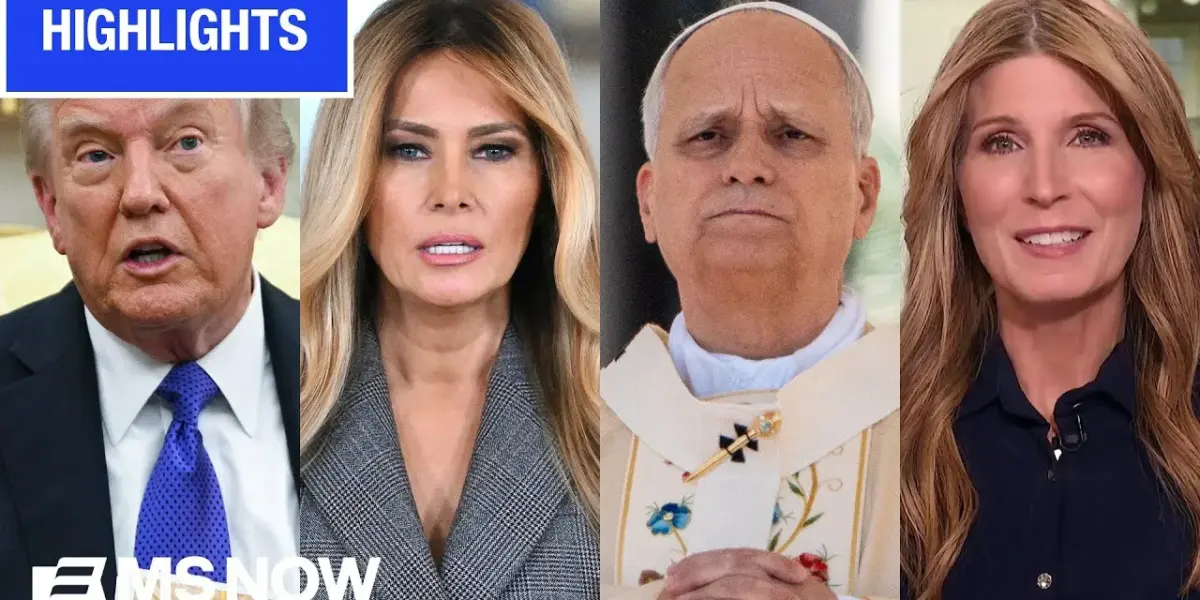
Melania Trump Addresses Epstein Allegations Directly
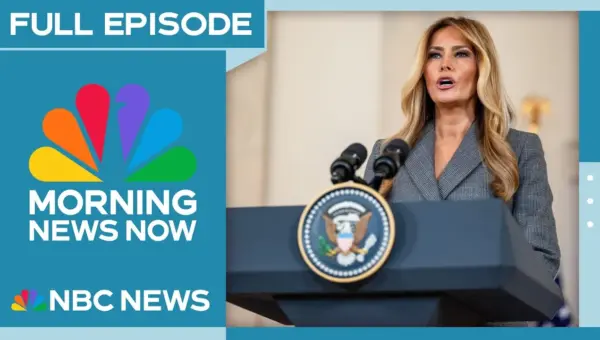
In a move that shifted the news cycle, former First Lady Melania Trump held a press conference on April 9th to address persistent rumors and allegations linking her to Jeffrey Epstein. For the first time in over 40 days, the Epstein scandal, which had previously been overshadowed by news of the Trump administration’s handling of related files, took center stage. Trump, speaking directly to the White House press pool at 2:30 p.m., emphatically denied any close relationship with Epstein or his associate Ghislaine Maxwell.
“The lies linking me with the disgraceful Jeffrey Epstein need to end today,” Trump stated forcefully. She clarified that while she and Donald Trump attended some of the same social events as Epstein due to overlapping social circles in New York City and Palm Beach, she “never had a relationship with Epstein or his accomplice Maxwell.” Her statement also addressed an email reply to Maxwell, calling it “casual correspondence” and “nothing more than a tribal note.”
Trump also refuted claims that she was Epstein’s victim or that he introduced her to Donald Trump. She stated she met her husband by chance at a party in 1998. Crucially, she declared, “I am not a witness or a name witness in connection with any of Epstein’s crimes. My name has never appeared in court documents, depositions, victim statements, or FBI interviews surrounding the Epstein matter.” She asserted she had no knowledge of Epstein’s abuse and was never involved, a participant, on his plane, or visited his private island.
Questions Swirl Around Timing and Motivation
The timing of Melania Trump’s statement raised immediate questions among journalists and political analysts. Washington correspondent Jackie Alamy reported that President Trump himself claimed no prior knowledge of his wife’s planned statement, stating he was in a war meeting and had to cut their call short. Alamy noted that many within the White House were reportedly caught off guard by the announcement.
Stephanie Grisham, former secretary to Melania Trump, commented that the decision to make an on-camera statement, particularly on a day when the focus was largely on the war with Iran, suggested the matter was “something really serious.” Grisham also highlighted the unusual nature of Trump’s statement, questioning who had accused her of a crime, as no one had publicly done so. Sources within the House Judiciary and Oversight Committees indicated they had not received new documents from the Justice Department regarding the Epstein files, leaving the specific catalyst for Trump’s statement unclear.
New York Times White House correspondent Luke Broadwater echoed the sentiment, stating that those he spoke with were unaware of any specific “images and stories” Melania Trump was referring to. He speculated that she might have seen something online that prompted her to call the press conference. Politically, her statement was seen as potentially undercutting her husband’s message to the public to “move on” from the Epstein matter.
Iran Conflict and Ceasefire Concerns Dominate
While Melania Trump’s statement commanded attention, the ongoing conflict with Iran and the fragile nature of a reported ceasefire remained a significant focus. Reports indicated that a two-week ceasefire, brokered by Pakistan, was in effect but faced immediate challenges. The deadliest attacks of the war were reported in Lebanon, and concerns lingered over the control of the Strait of Hormuz, a critical chokepoint for global oil supply.
Disagreements surfaced regarding the terms of the ceasefire. While Iran and Pakistan’s Prime Minister understood it to include Lebanon and be effective immediately, U.S. officials, including Vice President J.D. Vance, suggested there was a misunderstanding, stating that Lebanon was not part of the agreement. Iran’s parliament speaker claimed attacks on Lebanon violated the ceasefire, and also stated the U.S. violated it by denying Iran’s right to enrich uranium.
“There’s a lot of bad faith negotiation and a lot of bad faith propaganda going on. I think this comes from a legitimate misunderstanding. I think the Iranians thought that the ceasefire included Lebanon and it just didn’t. We never made that promise.” – U.S. Vice President J.D. Vance
Diplomatic Efforts and Criticisms
The situation highlighted a lack of clarity surrounding the diplomatic terms. Donald Trump initially described a 10-point proposal from Iran as a “workable basis for negotiation,” but the White House later called Iran’s released version “fake news.” The average price of gas in the U.S. had risen to $4.16 per gallon, with expectations of further increases amidst the uncertainty.
Former Secretary of State John Kerry, in an interview, criticized the administration’s handling of the conflict, stating the war “absolutely positively did not have to take place.” He argued that the decision to withdraw from the Iran nuclear deal (JCPOA) in 2018, rather than working to modify it, had escalated tensions. Kerry pointed out that the Strait of Hormuz was open before the conflict began and is now under Iranian control, a situation he deemed worse than before the war.
Congresswoman Maggie Goodlander, a member of the House Armed Services Committee, expressed concern over the venue for upcoming talks in Pakistan, calling it an “unlikely venue for peace talks.” She stated that the Iranian proposal was “unacceptable” as it did not address core security concerns like the Strait of Hormuz and the nuclear program. Goodlander emphasized the need for the Strait of Hormuz to be reopened and for progress on Iran’s nuclear activities.
Looking Ahead
As the situation unfolds, attention remains on the upcoming negotiations in Pakistan and whether a stable ceasefire can be achieved. The diverging messages from Melania Trump and President Trump regarding the Epstein allegations, coupled with the ongoing complexities of the Iran conflict, suggest a period of continued uncertainty and intense scrutiny on the administration’s foreign policy and handling of domestic controversies.
Source: MS NOW Highlights – April 9 (YouTube)

Related Articles
Melania Trump Denies Epstein Ties in Bizarre Statement
Former First Lady Melania Trump has issued a statement denying any direct involvement or knowledge of Jeffrey Epstein's crimes. In a review of her remarks, commentator Jen Psaki described Trump's statement as an attempt to distance herself from the scandal while portraying herself as a survivor advocate. The statement comes as legal documents related to the Epstein case continue to be unsealed, bringing numerous names into public view.
Middle East Tensions Rise Amid Ceasefire Violations
Middle East tensions are escalating as Iran is accused of violating a ceasefire, leading to rising oil prices and renewed strikes between Israel and Hezbollah. Meanwhile, Vice President J.D. Vance is preparing for crucial peace talks in Pakistan. In other news, First Lady Melania Trump has broken her silence to deny rumors linking her to Jeffrey Epstein.
Putin Offers Easter Truce, But Will Fighting Truly Stop?
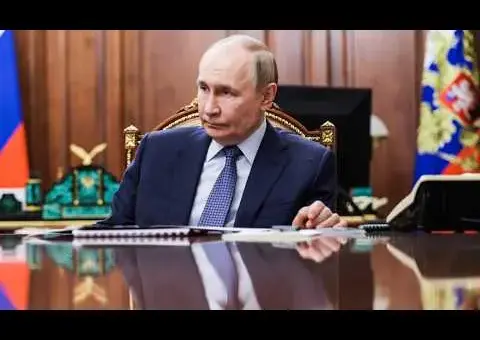
Russia announced an Orthodox Easter ceasefire, with Ukraine cautiously agreeing. However, past ceasefires have been marred by violations, raising doubts about the truce's effectiveness. The world watches to see if this holiday pause will bring genuine respite or further broken promises.