Melania Documentary Faces Staggering Box Office Losses, Amazon Banks on Controversial Streaming Strategy
A documentary focused on former First Lady Melania Trump has reportedly faced a significant financial shortfall, earning only $15 million at the box office against a $75 million budget. Producer Amazon is now betting on an unconventional strategy, hoping that a surge of new Amazon Prime subscribers will sign up specifically to watch the film, thereby recouping its substantial losses.

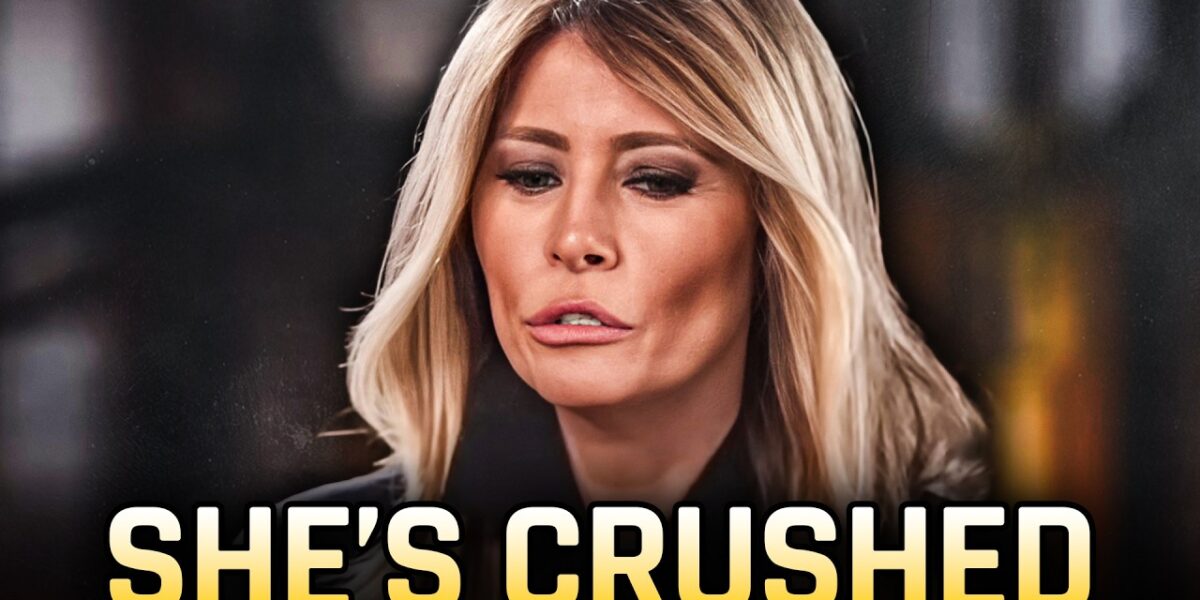
Melania Documentary Faces Staggering Box Office Losses, Amazon Banks on Controversial Streaming Strategy
A documentary centered on former First Lady Melania Trump is reportedly grappling with significant financial challenges, having garnered a mere $15 million at the box office against a substantial $75 million budget. The film, produced and distributed by Amazon, faces a daunting $60 million deficit, prompting the company to unveil an unconventional strategy to recoup its investment: banking on new Amazon Prime subscriptions.
Industry observers and commentators are raising eyebrows at Amazon’s proposed recovery plan, which hinges on the belief that a substantial influx of new subscribers will join the Prime streaming service solely to watch the Melania film. This approach has sparked considerable debate regarding its feasibility and the underlying assumptions about consumer behavior in the competitive streaming landscape.
A Deep Dive into the Film’s Financial Woes
The financial struggles of the Melania Trump documentary underscore the inherent risks in film production, particularly for projects with a niche appeal. With a reported budget breakdown of $40 million for production and an additional $35 million allocated for promotion and marketing, the film required a robust theatrical performance to break even. The current box office tally of $15 million falls far short of expectations, indicating a significant disconnect between the investment and audience engagement.
Film financing operates on tight margins, and recouping an initial investment of $75 million from theatrical releases alone demands widespread commercial success. Typically, a film needs to earn roughly two to three times its production budget at the box office just to cover its costs, accounting for exhibitor shares, marketing expenses, and distribution fees. The Melania film’s current performance suggests it is a long way from achieving this critical threshold, placing immense pressure on its distributors to find alternative revenue streams.
Amazon’s Bet: New Prime Subscribers
In response to the disappointing theatrical run, Amazon executives are reportedly optimistic about mitigating losses through a streaming-centric strategy. According to various reports, the company’s internal projections suggest that the film’s eventual premiere on Amazon Prime Video will drive a significant number of new subscriptions. The premise is that individuals who were unwilling to pay for a one-time theatrical viewing will be motivated to subscribe to Prime – a monthly or annual service – specifically to watch the documentary.
This strategy is predicated on several assumptions:
- Untapped Audience: That a substantial segment of the Melania Trump fanbase does not currently subscribe to Amazon Prime.
- High Value Proposition: That the desire to watch this particular film is strong enough to justify a recurring subscription fee, even if the primary intent is a single viewing.
- Long-Term Engagement: That these new subscribers will continue their Prime membership beyond the initial viewing, thereby generating sustained revenue.
However, many industry commentators have expressed skepticism regarding the viability of this approach. Critics point out that Amazon Prime is already a widely adopted service, particularly among demographics likely to be interested in politically themed content. The overlap between individuals who are avid followers of Melania Trump and those who do not already possess an Amazon Prime subscription is likely to be minimal.
Skepticism and Industry Commentary
The notion that millions will sign up for Amazon Prime solely for a single documentary viewing has been met with considerable doubt. Analysts argue that the typical Prime subscriber joins for a bundle of benefits, including free expedited shipping, access to a vast library of movies and TV shows, music streaming, and other perks. Paying a monthly fee (which accumulates to a significant annual cost) for a movie that may not have high rewatch value is seen as an unlikely motivator for a broad audience.
As one commentator noted, "People aren’t willing to go and pay $12 or $15 or even $20 to see it in a theater, but they will pay $20 a month to stream it one time on Amazon? So they’ll pay money for a year or more, but they weren’t willing to make a one-time $10-12 purchase to see a movie that is not really rewatchable at all." This sentiment highlights the perceived logical flaw in Amazon’s strategy, suggesting a misjudgment of consumer value perception.
Furthermore, the competitive landscape of streaming services means consumers are increasingly discerning about their subscriptions. With a plethora of options available, new sign-ups are often driven by exclusive, high-profile original series or blockbuster films, rather than single documentaries, especially those that have already underperformed theatrically.
The Broader Context of Streaming Wars and Niche Content
Amazon’s predicament with the Melania film is a microcosm of the larger challenges faced by streaming giants in the ongoing "streaming wars." Companies like Amazon, Netflix, Disney+, and HBO Max are investing billions in content to attract and retain subscribers. While tentpole productions and popular franchises often grab headlines, the economics of niche content, such as documentaries, can be particularly challenging.
Documentaries, especially those with a political focus, often appeal to a specific demographic rather than a mass audience. While they can be critically acclaimed and culturally significant, translating that into significant box office or subscription numbers is not always straightforward. The success of a documentary on a streaming platform often relies on its ability to generate buzz, critical acclaim, or a strong word-of-mouth campaign to entice viewers who may not have sought it out theatrically.
Moreover, the cost of acquiring and producing content continues to escalate, making every investment a high-stakes gamble. When a project underperforms as significantly as the Melania film has, it places immense pressure on distributors to innovate with their recovery strategies, even if those strategies appear unconventional.
Hollywood Accounting: A Complex Financial Landscape
The discussion around film finances often brings up the concept of "Hollywood accounting" or "funny math," a practice where complex financial structures can sometimes make even successful films appear to lose money on paper. This can have implications for profit participation for creators and for tax purposes. While the transcript mentions this phenomenon in a general context, it’s important to note that the reported $60 million deficit for the Melania film is presented as a straightforward financial shortfall based on budget versus gross revenue.
The intricacies of film distribution and revenue sharing mean that a film’s reported box office gross does not directly translate into profit for the studio. A significant portion goes to exhibitors, and then various other costs, including distribution fees and backend deals, are deducted. Therefore, even if a film technically breaks even on its gross, the studio might still be in the red after all expenses are factored in. This makes Amazon’s challenge of recouping its investment even more formidable.
Conclusion: An Uphill Battle for Amazon
The Melania Trump documentary’s struggle to find a wide audience in theaters presents a significant financial setback for Amazon. While the company’s strategy to leverage its streaming platform to attract new Prime subscribers is an attempt to salvage the investment, it is widely viewed with skepticism by industry experts and commentators. The belief that a large, untapped audience will subscribe to a premium service solely for a single documentary, especially one that has already underperformed, challenges conventional understanding of consumer behavior in the streaming era.
As the film transitions from theatrical release to its streaming debut, all eyes will be on Amazon to see if its ambitious and controversial strategy yields the desired financial recovery, or if the documentary’s box office disappointment will extend into its streaming performance, leaving a substantial financial void for the tech giant.
Source: Melania DEVASTATED After Sad, Pathetic Failure (YouTube)

Related Articles
Melania Documentary Producer Blames Politics for Flop
A producer for a Melania Trump documentary has voiced frustration over the film's struggles, blaming political objections for denied music rights from artists like Prince and Guns N' Roses. Mark Beckman cited that musicians' estates refused to associate their work with Donald Trump, despite claims the film was not political.

Melania Trump’s Quiet Diplomacy on Ukraine War
Former First Lady Melania Trump has emerged as an influential, though unofficial, voice on the Ukraine war, reportedly shaping her husband's perceptions and engaging directly on humanitarian issues like the deportation of Ukrainian children. Her advocacy, possibly influenced by her European background, has drawn international attention and sparked unique reactions, including widespread social media support from Ukrainians.


Hollywood’s Unfair Takedowns: Stars Who Deserve More
From Winona Ryder's shoplifting scandal to Britney Spears' conservatorship battle, this article delves into the unfair career downfalls of celebrities who faced disproportionate backlash, industry retaliation, or predatory media scrutiny, highlighting their resilience and deserving comebacks.