Media’s Iran Coverage Fuels Disinformation War
The Trump administration's critique of media reporting on Iran's ceasefire highlights the growing problem of disinformation. Experts debate whether media inaccuracies are accidental or deliberate, and how foreign adversaries exploit these divisions. This raises critical questions about media responsibility and public trust.

Media’s Iran Coverage Fuels Disinformation War
The Trump administration recently called out news outlets for inaccurate reporting about a ceasefire with Iran. This move highlights a larger issue: the spread of misinformation during times of international conflict. The debate centers on how media outlets report on sensitive geopolitical events and the potential consequences of inaccurate coverage.
Conflicting Reports and Public Trust
The core of the administration’s complaint was that media reports, citing sources like The New York Times and CNN, misinterpreted a minor Iranian submission as a formal negotiating position. This, they argued, created a false narrative about the ceasefire talks.
“I think it’s very important for the American media to be honest with the American people on this particular issue because it affects not just you know the normal issues of public policy it actually affects peace and war.”
This statement underscores the administration’s view that reporting on such matters carries immense weight, potentially influencing decisions about war and peace.
The ‘Dugin Strategy’ and Undermining Truth
One perspective presented suggests a deliberate strategy, sometimes called the “Dugin strategy,” to undermine truth. The idea is that by confusing people about what is real, it becomes easier for a specific narrative to take hold. This can create an environment where people doubt established facts, making them more open to alternative explanations offered by those in power.
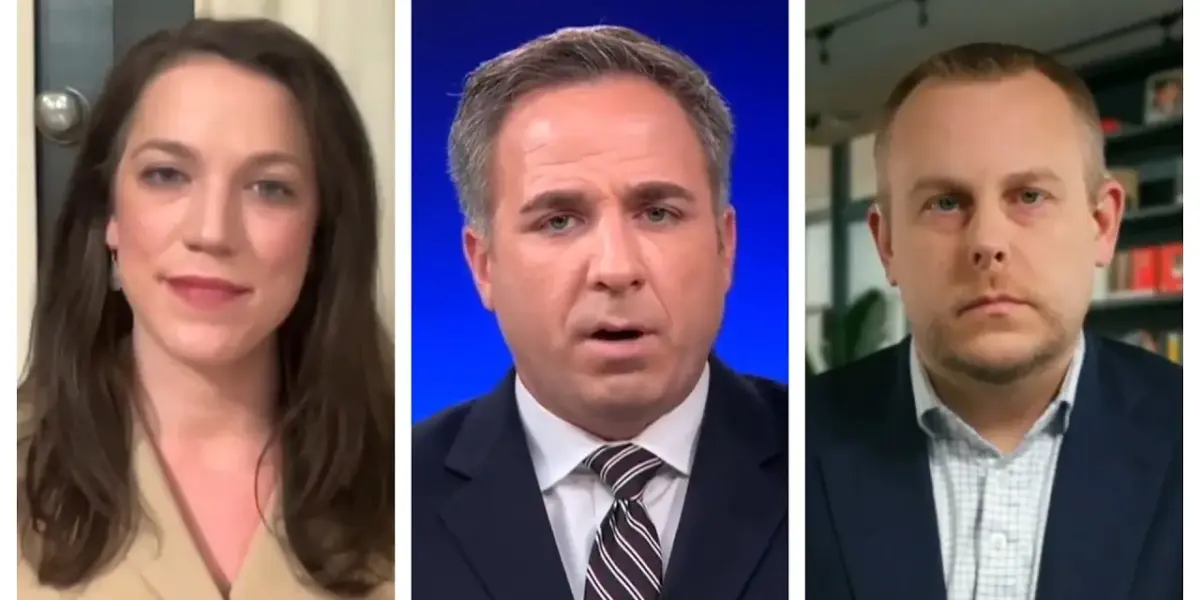
Maline Somerville, a former Democratic speechwriter, argued that this tactic aims to create uncertainty. “The whole point is to undermine the truth that’s coming out,” she stated. She also pointed to other reports, such as deaths in ICE custody or actions in Beirut, suggesting that if certain truths were more widely known, they might challenge existing political support.
War is Hell, But What’s the Truth?
Aaron Evans, president of Winning Republican Strategies, offered a different view. He acknowledged that war is inherently difficult and that reports of destruction are expected. However, he suggested that political opponents often “bet against the president” regardless of the facts presented.
This exchange highlights a key tension: Is the media simply reporting expected outcomes of conflict, or is there a deliberate effort to shape perception through selective or inaccurate reporting? The discussion also touched on the responsibility of the media to protect service members by not revealing too much sensitive information.
Disinformation in the Digital Age
The conversation then broadened to the wider issue of disinformation, especially in the context of geopolitical rivals like China and Russia. These nations are seen as skilled in using information warfare to divide and weaken opponents.
The panel discussed how foreign actors might fund social media campaigns to amplify division within the United States. The focus, it was argued, is not necessarily on promoting one political party over another, but on weakening America as a whole. China is identified as a global leader in disinformation, with countries like Iran also investing heavily in foreign influence operations and propaganda.
The Strait of Hormuz: A Case Study
The situation in the Strait of Hormuz served as a specific example of conflicting reports. The White House press secretary stated that public reports about the strait being closed were false, contrasting them with private communications. This discrepancy raised questions about who benefits from confusion and how media narratives are shaped.
“The point is to confuse us as to what’s true.”
This sentiment was echoed, suggesting that confusion benefits certain agendas. The panel explored the idea that when media outlets, regardless of their political leaning, report information that is perceived as biased, it erodes public trust. This makes it harder for any factual reporting to be accepted by opposing sides.
Motives and Media Bias
A deeper dive into the motivations behind actions in Iran was also part of the discussion. One perspective suggested that the U.S. might be using protests as an excuse to gain access to resources, rather than solely to support the Iranian people. This raises ethical questions about the stated reasons for foreign policy actions versus the potential underlying economic or strategic interests.
Conversely, another viewpoint defended the administration’s actions, emphasizing Iran’s role as a state sponsor of terror and a threat to global stability. The argument was made that destabilizing such a regime, even if it involves controversial tactics, is a necessary measure to protect U.S. interests and allies.
Why This Matters
The discussion powerfully illustrates the challenges of navigating information in a complex world. When official statements conflict with media reports, and when foreign adversaries actively seek to sow division, the public’s ability to discern truth becomes crucial. The panel’s debate highlights how a lack of clear, honest communication can erode trust in institutions and make informed decision-making difficult for both citizens and policymakers. The potential for misinformation to influence foreign policy decisions and even escalate conflicts is a significant concern.
Implications and Future Outlook
This situation points to a growing need for media literacy and critical thinking skills. As information becomes more accessible but also more easily manipulated, individuals must become more adept at evaluating sources and identifying potential biases. The role of social media in amplifying both accurate and inaccurate information also remains a critical factor. Future conflicts and diplomatic efforts will likely be fought on the information battlefield as much as on the physical one. Nations and individuals alike must develop strategies to counter disinformation effectively, ensuring that policy decisions are based on facts, not fabrications.
Historical Context
The use of media and propaganda in international relations is not new. Throughout history, governments have sought to shape public opinion both domestically and abroad. During wartime, controlling the narrative has often been as important as military strategy. The current era, however, is characterized by the speed and reach of digital communication, allowing disinformation to spread globally in an instant. This makes the challenges of maintaining an informed public and conducting transparent diplomacy even more complex than in previous generations.
Source: Panel Reacts: Trump Admin. Clarifies Media Inaccuracies Over Iran Ceasefire and Strait of Hormuz (YouTube)

Related Articles
Trump Pivots to Business with Iran Amidst Global Chaos
Amidst confusing reports from Iran, Donald Trump has shifted focus to a potential business deal involving the Strait of Hormuz. His suggestion of a "joint venture" with Iran has drawn criticism for prioritizing potential personal profit over complex geopolitical issues.
Iran’s Ultimatum Shakes US Diplomacy, Fuels Global Instability
Iran's refusal to attend crucial talks in Pakistan, demanding adherence to a prior 10-point framework, has triggered a diplomatic crisis. The standoff, coupled with escalating threats and economic fallout, highlights global instability and raises serious questions about international relations and accountability.
Trump’s Iran Policy Strengthened Hardliners, Experts Say
Experts argue that former President Trump's "maximum pressure" policy against Iran inadvertently strengthened hardliners and made the country more determined to pursue nuclear capabilities. The analysis highlights missed diplomatic opportunities and the unintended consequences of military action, suggesting a need for more nuanced strategies.