Media Battles Fuel Political Fires, Sparking Real-World Consequences
Media figures discuss the evolving landscape of political debate, highlighting the rise of assertive liberal voices and the challenges of critiquing foreign policy and foreign government actions. The conversation also touches on personal journeys in media and the impact of political maneuvering on public services.

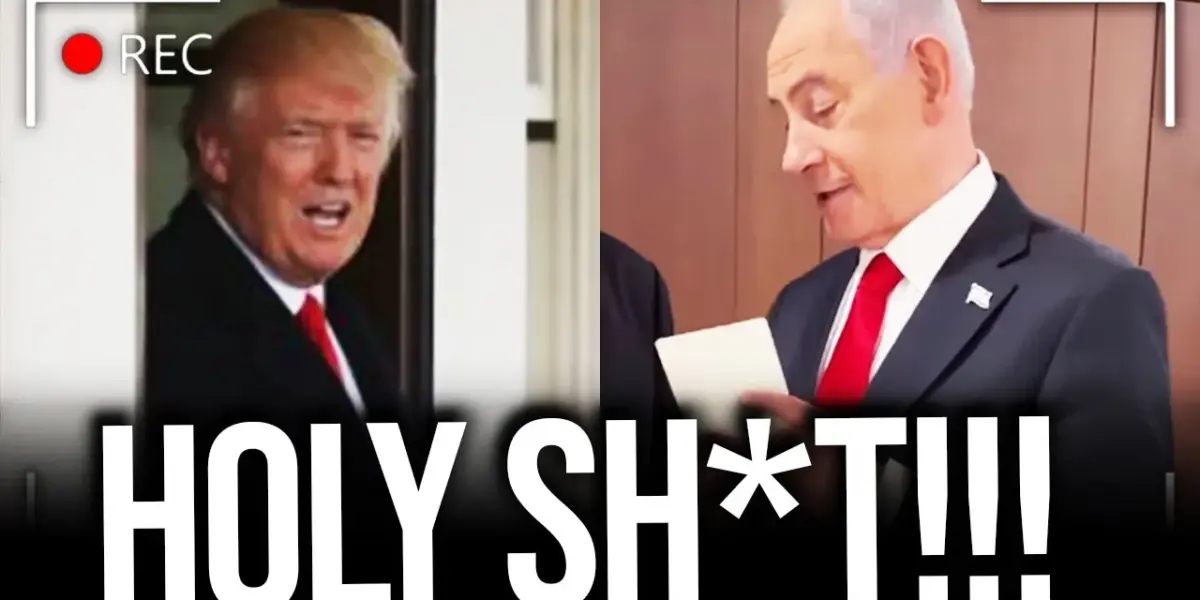
Media Battles Fuel Political Fires, Sparking Real-World Consequences
The way information is shared and debated on television and online is changing. This shift is not just about different opinions; it’s about how these debates affect real people and political decisions. A recent conversation highlighted how media personalities and platforms are shaping public understanding, especially on complex issues like foreign policy and border security. The discussion also touched on the personal journeys of media figures and their motivations.
The Power of Assertive Liberal Voices
One key point raised was the need for more assertive liberal voices in media. The speaker noted a gap on television for liberals who actively defend democracy. While many can debate well, the style needs to adapt to today’s fast-paced political environment. This means being quick, engaging, and able to create shareable moments for wider distribution. The goal is to counter what is seen as performative or misleading arguments from the other side.
“I saw a gap on TV of aggressive, assertive liberals who stood up for pro-democracy values.”
This style is seen as effective in cutting through noise and making a point clearly. It’s about meeting opponents where they are, with a strategy that works in the current media landscape. The aim is not just to win arguments but to push specific narratives on important topics.
Debating True Believers vs. Strategic Pundits
A significant part of the discussion focused on the nature of political debate. The question arose: who should media platforms feature, and why? One perspective suggests that engaging with “true believers”—those who genuinely hold certain political views—can be more insightful. Understanding their motivations, which are often rooted in deeply held beliefs, can offer a clearer picture of a segment of the population. This contrasts with engaging with pundits who may seem to present a party line without personal conviction.
The conversation specifically addressed figures like Scott Jennings, a conservative commentator. While acknowledging his affability off-air, the critique centers on his on-air performance. The concern is that when a pundit consistently presents a specific viewpoint, even one that seems to shift over time, it can feel like propaganda. This raises questions about the health of a media environment that gives such a platform to views that never seem to break from a set agenda.
The Evolution of a Young Media Star
The discussion also provided a look into the rapid rise of a young media figure. At just 23, this individual has built a significant online presence, including a YouTube channel with nearly 2 million subscribers. The journey started young, with a passion for video editing and online content creation, even making gaming videos as a child. A pivotal moment came in high school when a debate with a teacher highlighted an early interest in engaging with controversial topics.
The real turning point was attending Trump rallies with a camera and a desire to talk to supporters. This approach, characterized by a friendly and non-confrontational style, resonated widely. The speaker noted that approaching people with respect, like a grandson might, could lead to more open conversations. This method proved effective in creating viral content and building a platform for discussing issues like NATO and immigration.
Navigating Dangerous Territory
The experience of engaging directly with political rallies was not without its risks. The speaker recalled moments of tension, including an incident involving Mike Lindell and a group of Trump supporters. While feeling a degree of safety due to the respect shown by some individuals and a background in a more conservative environment, the underlying danger was clear. The situation has become more tense over the years, with a sense that the political climate is growing darker.
This personal journey from online content creation to major television appearances underscores a broader trend: the increasing importance of independent media and digital platforms in shaping political discourse. The ability to create and distribute content directly, bypassing traditional gatekeepers, has empowered new voices and created new avenues for influence.
Foreign Policy and Media Influence: The Iran War Example
The conversation turned to current foreign policy, specifically the justifications for potential conflict with Iran. Both speakers expressed strong skepticism about the stated reasons, suggesting that underlying motives might be more complex. The influence of foreign governments and leaders’ personal legacies were cited as potential driving forces. This highlights how media narratives can shape public perception of critical international events.
“BB Netanyahu has been openly doing this. Even right-wingers will say that. So, that is not a secret.”
The discussion pointed out that some media outlets, particularly those with a history of supporting military action, seem to echo old arguments. This raises concerns about repeating past mistakes. The idea that certain foreign policy decisions are not open secrets, but rather openly discussed strategies, challenges the notion that questioning them is merely conspiracy theorizing.
Criticism of Israel and the Media’s Role
A significant portion of the dialogue focused on the challenges of discussing Israel’s actions in media. Both speakers agreed that while anti-Semitic conspiracy theories are harmful and must be rejected, legitimate criticism of Israeli government policy should not be silenced. The fear is that by treating all criticism as anti-Semitic, legitimate concerns are dismissed, and conspiracy theories are inadvertently validated.
The role of independent media was praised for creating a space where these critical conversations can happen more openly. Unlike mainstream media, which may be more hesitant to challenge certain viewpoints due to perceived risks, independent platforms allow for a more direct examination of complex issues. This decentralized approach enables wider access to information and diverse perspectives, fostering a more informed public debate.
The speakers emphasized the need to differentiate between criticizing the Israeli government and attacking Jewish people. They argued that conflating the two not only endangers Jewish communities but also misrepresents the nature of the criticism. The goal, they stressed, is to hold governments accountable for their actions, not to promote prejudice.
The Political Stakes of Foreign Policy Debates
From a political standpoint, the issue of foreign policy, particularly concerning Israel, is becoming increasingly important for American voters. It was suggested that candidates, especially Democrats, need to take clear stances on these issues to appeal to a broad range of voters. Some voters are making decisions based heavily on these foreign policy stances, and ignoring them could be politically costly.
The need for an affirmative message that supports self-determination for Gaza and the West Bank was highlighted. This message must also push back against harmful stereotypes and conspiracy theories that unfairly link Jewish people with specific political actions. The goal is to advocate for human rights and justice while maintaining clarity and avoiding the pitfalls of prejudice.
Border Security and Political Maneuvering
The conversation concluded with a discussion on border security and the political tactics being used. The speaker noted that funding for agencies like the TSA and DHS has become a point of contention. The claim was made that Republicans are blocking funding bills, even those that would provide separate funding for the TSA, as a way to pressure Democrats.
The argument is that this tactic is not about a lack of funds but about accountability and political leverage. The presence of ICE agents at airports, seemingly to create a chilling effect or to normalize increased surveillance, was presented as a deeply concerning development. This strategy, it was suggested, could be a test run for broader immigration enforcement measures, potentially impacting democratic processes by suppressing voter turnout or creating fear.
Democrats are urged to clearly communicate that the issue is not a lack of resources but a deliberate political obstruction. The focus should be on holding those responsible accountable for the consequences, such as airport delays and the potential misuse of immigration enforcement.
Why This Matters
The dialogue reveals a media environment in flux, where traditional outlets face challenges from digital platforms and new voices. The way political issues are debated, the narratives that gain traction, and the willingness of media figures to tackle controversial topics all have tangible impacts. Understanding these dynamics is crucial for voters seeking reliable information and for citizens wanting to engage effectively in political discourse. The personal stories of media figures also show how passion and a willingness to engage directly can shape careers and influence public opinion. The willingness to question established narratives, especially in foreign policy and border security, is vital for a healthy democracy. It pushes for greater transparency and accountability from political leaders and institutions.
Implications and Future Outlook
The trend toward more assertive and digitally-savvy media personalities is likely to continue. This could lead to a more polarized, but also potentially more engaged, public. The challenge for traditional media will be to adapt to these changes and maintain relevance. For the public, it means developing critical media literacy skills to navigate a complex information landscape. The debates around foreign policy and social issues will remain central, with independent media playing an increasingly important role in shaping these discussions. The future will likely see a continued blurring of lines between traditional and new media, with individuals building influence across multiple platforms. The ability to connect with audiences on a personal level, while also engaging with complex issues, will be key to success.
Historical Context
The conversation touches upon themes that have long been present in political discourse: the role of media in shaping public opinion, the challenges of foreign policy decision-making, and the dynamics of political polarization. The historical context of debates surrounding foreign wars and the influence of special interest groups provides a backdrop to the current discussions. The rise of digital media and social platforms represents a significant evolution from the era of dominant broadcast networks, offering new avenues for debate and activism but also new challenges in discerning truth from misinformation.
Source: This is not a conspiracy anymore… (YouTube)

Related Articles
Trump’s “Walk Away” Tactic Signals Tougher Stance on China
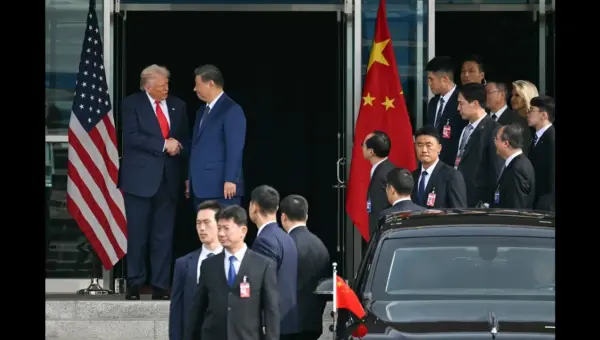
Retired Air Force Brigadier General David Stillwell believes President Trump's strategy of being willing to walk away from negotiations puts pressure on China. This tactic, combined with US global actions and strengthened alliances, signals a more assertive American foreign policy.
Trump’s War Talk Stuns Financial Crowd
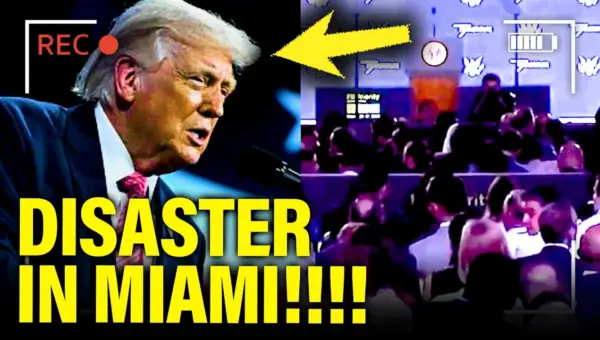
Donald Trump's recent speech in Miami focused on his foreign policy, particularly his critical views on NATO and his vision for international relations. He declared the U.S. would no longer defend NATO allies, questioned the value of existing alliances, and suggested renaming the Strait of Hormuz. The speech also touched on his personal views of success, his allies, and his perceived role as a global peacemaker.
Trump’s Warpath: New Threats Signal Imperial Ambitions
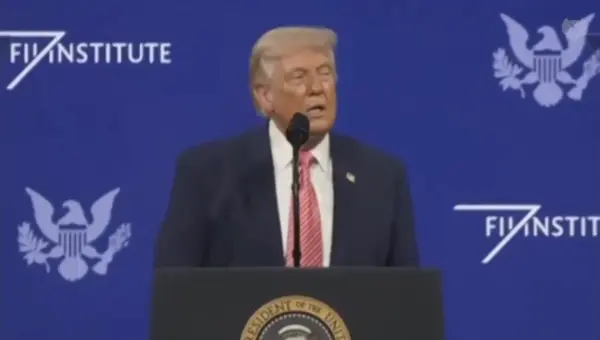
Recent statements from Donald Trump reveal a potential embrace of increased military action and interventionist foreign policy. This approach, characterized by critics as "imperialism 2.0," contrasts with his past promises of peace and has even drawn criticism from parts of his own base. The implications for U.S. global engagement and domestic priorities are significant.