Mayor’s First 100 Days: Radical Promises Spark Tax Hikes
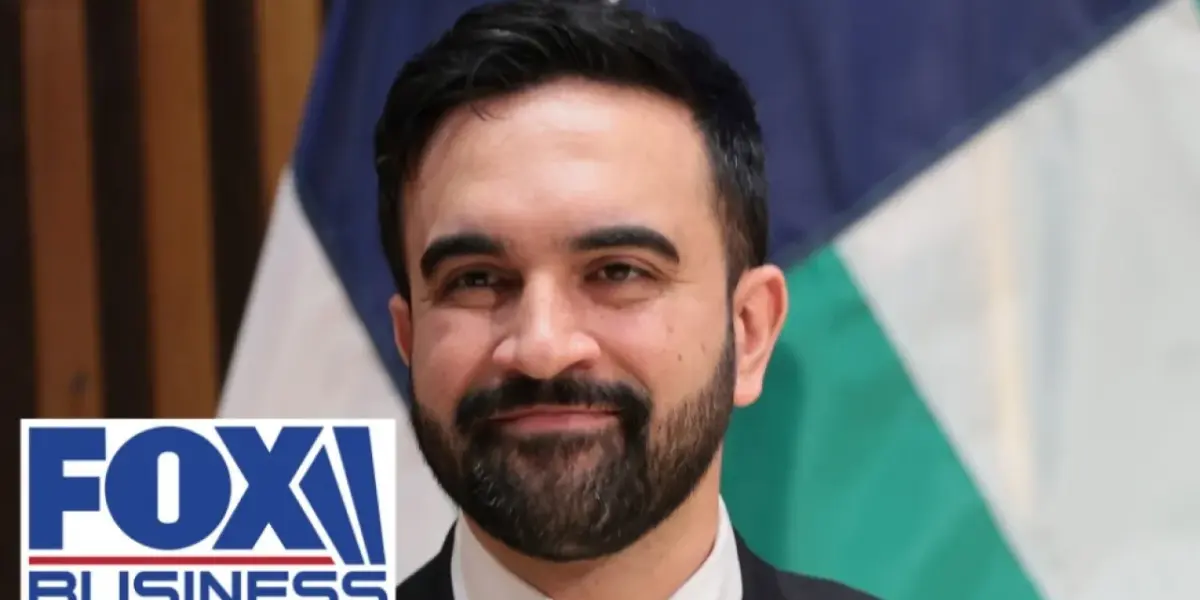
Mayor Zohran Mamdani's first 100 days are marked by radical promises, particularly a push for significant tax hikes on the wealthy and middle class. Critics question his leadership and alleged anti-American stance, citing controversies like the scaled-back Times Square anniversary event.

Mayor’s First 100 Days: Radical Promises Spark Tax Hikes
The first 100 days of Mayor Zohran Mamdani’s term have been marked by a flurry of activity, as he pushes forward with campaign promises that critics describe as radical and left-wing. While Mamdani pledged universal childcare, taxing the wealthiest, and making buses fast and free, his administration’s early actions are drawing sharp criticism, particularly concerning proposed tax increases and a perceived anti-American stance.
Taxation Takes Center Stage
Councilwoman Vickie Paladino, speaking on the mayor’s initial 100 days, stated, “He lived up to all of his radical left-wing promises.” Paladino specifically pointed to proposals that she believes will drive out the middle class, including property taxes and wealth taxes. “Any kind of tax you can think of if you’re walking, talking and breathing you’re going to get taxed too,” she added, highlighting concerns about a broad expansion of the tax base.
These proposed tax hikes are seen by some as the funding mechanism for the mayor’s ambitious social programs. During his campaign, Mamdani repeatedly stated his plans would be “paid for by taxing the rich.” However, the scope of the proposed taxes has raised alarms among business leaders and residents concerned about the economic impact on New York City, often called the economic capital of the world.
Concerns Over Leadership and Ideology
Beyond fiscal policy, critics have raised questions about Mayor Mamdani’s leadership style and ideological leanings. Paladino expressed concern over the administration’s response to an incident outside City Hall, stating, “There has been violence. He refuses to recognize when we had the bombing outside of City Hall, the crazy manchin took him 48 hours to rerenocognize those people as radical islamist.” This delay in labeling the perpetrators was seen as a significant misstep by the mayor.
Furthermore, Paladino criticized the composition of Mamdani’s cabinet, referring to his advisors as “all radicals.” She suggested that the mayor is “governing on ideology” rather than “realistic things,” which she believes is detrimental to the city. The administration’s focus, according to critics, is on pushing a specific agenda rather than addressing the practical needs of New Yorkers.
Times Square Anniversary Celebration Sparks Controversy
A prime example cited by critics of the mayor’s approach is the handling of the upcoming celebration for the United States’ 250th anniversary. While a Times Square ball drop was planned for July 3rd, an emergency rule enacted by the city has led to the denial of permits for large-scale events. This permitting freeze, tied to preparations for the World Cup, means the anniversary celebration will not have a public event, forcing New Yorkers to watch on television.
The decision has been met with bewilderment, with one commentator noting, “It’s pretty remarkable that a once-in-a-lifetime national anniversary celebration got bumped by a permitting freeze tied to the World Cup.” The administration’s justification for the permit ban has been questioned, with some suggesting it reflects a deeper skepticism towards American traditions.
Questions About Mayor’s Allegiance
Mayor Mamdani’s background has also become a focal point of criticism. Having been a citizen of the United States for only seven years, having been born in Uganda, questions have been raised about his commitment to celebrating American ideals. His mother was quoted in a 2015 interview stating that her son “will never be an American, not ever.”
Adding to these concerns is the appointment of his chief counsel, So Ramsey, who reportedly defended individuals involved in the 9/11 attacks. Critics argue that these associations and background details reveal a core anti-American and anti-Western civilization stance that the mayor attempts to conceal. This perspective suggests that the mayor’s policies and actions are not driven by a genuine desire to improve New York City but by a more radical ideology that is at odds with the city’s foundational values.
Market Impact
The proposed tax increases, if enacted, could significantly impact businesses and high-net-worth individuals, potentially leading to capital flight or reduced investment in New York City. The uncertainty surrounding the mayor’s fiscal policies creates a challenging environment for market participants. Sectors reliant on discretionary spending or those with high property ownership costs may face headwinds. The broader market impact will depend on the final shape of these tax policies and the administration’s ability to foster economic growth alongside its social agenda.
What Investors Should Know
Investors are closely watching the developments in New York City, particularly the proposed tax policies. The mayor’s commitment to taxing the wealthiest could lead to higher operational costs for businesses and reduced disposable income for affluent residents. This situation presents both risks and potential opportunities, depending on how different sectors adapt. Companies focused on essential services or those less sensitive to tax burdens may fare better. The long-term implications hinge on whether the mayor’s policies can foster inclusive growth or if they lead to economic stagnation. The administration’s approach to governance, balancing ideology with practical economic realities, will be a key factor for investors to consider.
Source: 'RADICAL, LEFT-WING PROMISES': Inside the first 100 days of Mamdani's leadership (YouTube)

Related Articles
Senator Slams Trump’s ‘Failed Leadership’ on Iran War Strategy
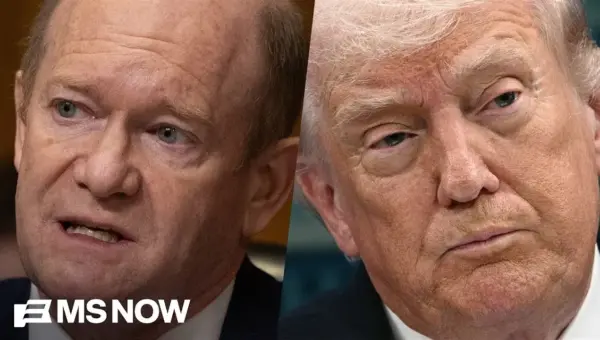
Senator Chris Coons has criticized former President Donald Trump's handling of the Iran conflict, citing "failed leadership" and a lack of clear planning. The war has incurred significant costs, including American lives and rising economic burdens on families, without achieving its stated objectives. Coons expressed concern over the administration's approach, warning of a potentially difficult period ahead.


Trump’s “Low IQ” Attacks Backfire on Ex-Allies
Former President Donald Trump's insults targeting ex-allies like Tucker Carlson and Alex Jones have backfired, sparking sharp criticism and revealing divisions within the MAGA movement. Figures like Candace Owens suggested it's 'time to put Grandpa in a home,' while analysts point to the shifting dynamics and the growing influence of cultural engagement in politics.

MAGA’s Fury: Trump’s Iran Deal Sparks Backlash
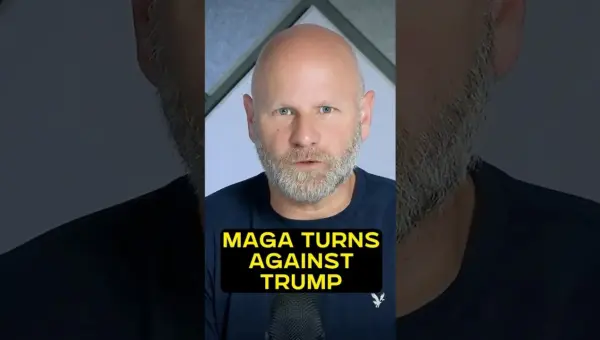
Donald Trump's recent dealings with Iran have sparked significant anger and confusion within the MAGA movement. Supporters feel their leader has appeared weak, breaking campaign promises and failing to address the threat from Iran decisively.