Max Hastings: Trump’s Iran War Stance ‘Unhinged’
Military historian Max Hastings has strongly criticized President Trump's approach to the escalating conflict with Iran, calling the strategy "unhinged" and "reckless." Hastings urged global leaders, particularly in Britain, to maintain composure and avoid military escalation, drawing parallels to past conflicts like Vietnam and Iraq. He also highlighted the significant challenge of managing a "chronically unstable" United States in the current geopolitical climate.

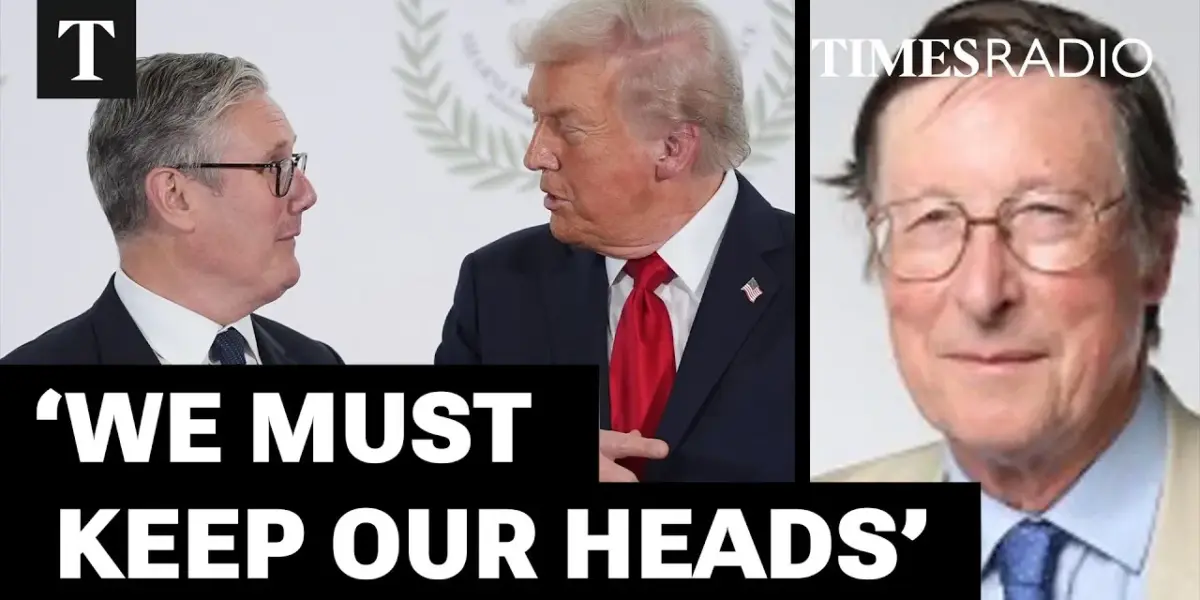
Military Historian Criticizes Trump’s Iran Strategy, Urges Calm Amidst Escalation
In a stark assessment of the escalating conflict with Iran, renowned military historian and columnist for The Times, Max Hastings, has criticized the United States’ approach under President Donald Trump, labeling it as potentially “unhinged” and “reckless.” Speaking on the unfolding events, Hastings warned against the temptation to engage in military escalation, urging global leaders, particularly in Britain, to maintain their composure despite provocative rhetoric and actions.
Escalation and Unstable Leadership
The situation is described as an “unholy mess,” with Hastings highlighting the paradoxical position of governments obliged to show courtesies to the U.S. President while simultaneously recognizing his “wildly unstable personality.” He pointed to Trump’s past comments, including a questionable remark about a Tomahawk missile incident, as evidence of irrationality. Hastings believes it was “extraordinarily reckless” for Trump to have been influenced by Israeli Prime Minister Netanyahu into initiating the conflict.
“We have to start by recognizing that some of us thought it was extraordinarily reckless for Trump to have allowed himself to be bare led by the prime minister of Israel Mr. Netanyahu into this war,” Hastings stated. He further elaborated on the nature of modern warfare, contrasting the traditional notions of victory and defeat in conflicts between industrial nations with the realities of “asymmetric warfare.” Despite significant military actions by the U.S. and Israel, including the targeting of Iran’s leadership, military facilities, and nuclear program, the Iranian regime remains standing and capable of causing “enormous disruption and mayhem to the West.”
“The regime is still standing. And the regime is still capable of causing an enormous amount of disruption and mayhem to the West.”
Britain’s Difficult Position and Starmer’s Stance
Hastings expressed particular concern over Britain’s role, questioning the calls from some British commentators and politicians to join the war effort. He argued that aligning with the U.S. “just because he says so” is akin to “walk[ing] over a precipice.” He commended the leader of the opposition, Keir Starmer, for his decision to distance the UK from the conflict, despite acknowledging Starmer’s perceived weaknesses as a leader. “Thank God so far I think Starmer… he’s been right to try to stay as far as possible,” Hastings remarked.
However, Hastings also stressed the vital importance of keeping the Strait of Hormuz open for the global economy. He acknowledged Britain’s diminished naval capacity but insisted on the necessity of showing willingness to contribute to this effort, while cautioning against being drawn into a broader military engagement. He emphasized the need to endure Trump’s inevitable insults, comparing the situation to former Prime Minister Harold Wilson’s decision to keep Britain out of the Vietnam War, a move Hastings views as a key positive memory of Wilson’s premiership.
Lessons Ignored: Vietnam to Iraq
The historian drew parallels to past conflicts, arguing that the U.S. is ignoring crucial lessons learned from wars like Vietnam and Iraq. He recalled the U.S. belief in its overwhelming conventional power in Vietnam, which ultimately proved insufficient against an adversary with greater “staying power.” Hastings quoted Pete Seeger’s protest song, “We’re waste deep in the big muddy, but the big fool says to push on,” suggesting that the U.S. is currently in a similar predicament.
“The United States went into Vietnam convinced that with its overwhelming superiority of conventional power that it must prevail over what they call this raggedy ass bunch of peasants in rubber sandals. And of course they learned that just being having overwhelming military superiority does not mean victory. The other side had more staying power. The other side hung on in there,” Hastings explained.
Future Outlook: Ceasefire and Resurgent Terror
Looking ahead, Hastings anticipates a potential ceasefire in the near future, where Iran would cease missile launches and the U.S. would halt airstrikes. However, he warned that the Iranian regime, though potentially subdued, would remain determined to demonstrate its resilience. He expressed fear of a “serious resurgence of terror” in unexpected places, emphasizing Iran’s significant size and population as factors that make a swift military victory unlikely.
“Iran is a country bigger than Western Europe with a population of 93 million. Well, only an unhinged administration in Washington could possibly believe that you could achieve a military victory over a nation like this in 20 minutes as Trump always wishes to,” he stated.
Managing an Unstable America
Hastings concluded by addressing the broader geopolitical challenge of managing a “chronically unstable United States.” He noted the persistent support for Trump within the U.S. electorate, calling a recent poll showing 42% backing “a very scary statistic.” This, he argued, presents a significant challenge for European leaders, who must navigate a difficult course, avoiding a complete breakdown with the U.S. while resisting being “goaded by all these stupid insults.” The current geopolitical landscape, he posited, requires a new kind of strategic thinking focused on managing an unpredictable American administration, a challenge previously unforeseen.
Source: Starmer 'Right' Not To Give In To Trump's Insults Over Iran War | Max Hastings (YouTube)

Related Articles
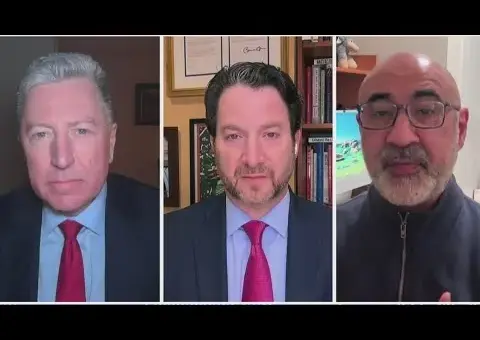
U.S. Iran Tensions Rise Amid Shifting Alliances
Rising tensions between the U.S. and Iran are creating a volatile geopolitical situation. With conflicting signals on de-escalation and potential shifts in alliances like NATO and U.S.-Israel relations, the path forward remains uncertain. The global economy and regional stability hang in the balance.

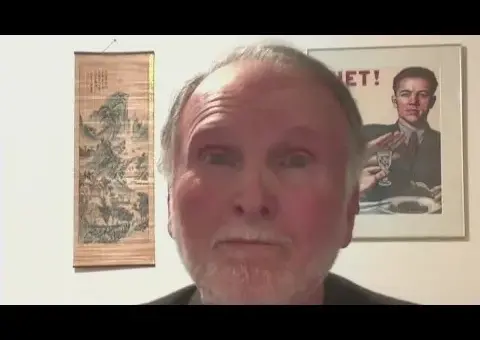
Iran Targets US With Cyberattacks, Escalating Digital Warfare
Iran is increasingly using cyberattacks to challenge the U.S., as seen in a recent hack of the FBI director's account. Experts say this is a strategic shift due to Iran's limitations in conventional warfare. The U.S. needs to strengthen its digital defenses, focusing on encryption and cloud computing, rather than solely relying on traditional security measures.
Ukraine Strikes Russian Oil Refinery, Eyes Iran Threat
Ukrainian forces struck a key Russian oil refinery, disrupting Moscow's war capabilities. Meanwhile, Finland's president urged continued U.S. support for Ukraine, as Kyiv shares its air defense expertise globally amid growing geopolitical complexities involving Iran and potential sanctions against Hungary.