Master Google’s AI Search: 5 New Rules for SEO Success
Google's AI search has changed SEO forever. Learn the 5 new rules focusing on trust and authority over traffic. Discover how to become a cited source, answer complex questions, and build brand recognition across all platforms to succeed in the new search landscape.

Master Google’s AI Search: 5 New Rules for SEO Success
Google’s AI search has changed how people find information online. Traditional SEO tactics no longer guarantee top rankings. This guide will show you how to adapt your strategy for Google’s AI-powered search, focusing on building trust and authority instead of just traffic.
What You’ll Learn
This article explains the shift from traffic-based SEO to trust-based strategies driven by Google’s AI. You will learn why rankings are less important, how AI synthesizes answers, and the importance of being a cited source. We’ll cover how to leverage complex queries, understand the rise of zero-click searches, build brand authority, and expand your reach beyond Google. By the end, you’ll have a clear roadmap to adapt your SEO efforts for the new AI search landscape.
Prerequisites
- Basic understanding of search engine optimization (SEO).
- Familiarity with creating online content (blog posts, articles, etc.).
The New Rules of Google AI Search
1. Embrace the Citation Economy: Be a Trusted Source
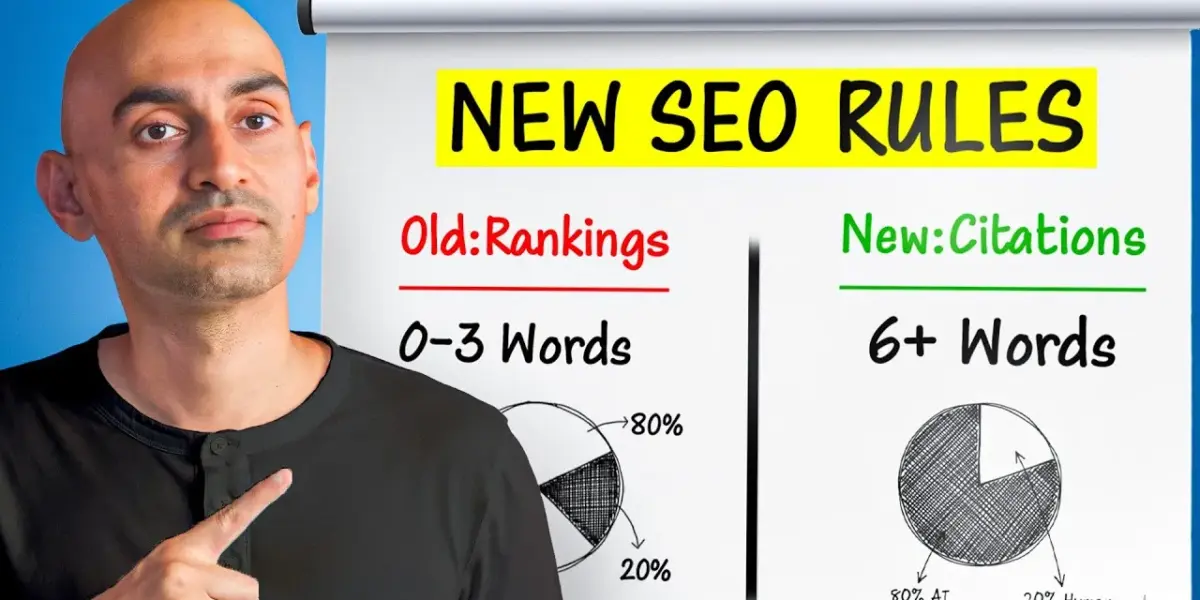
Google’s main goal is now to provide direct answers, not just links. When someone searches, Google’s AI often generates a summary at the top, citing its sources. If your content isn’t cited, it becomes invisible to users seeking quick answers. This means the focus shifts from ranking high to being a credible source that AI trusts. Think of it as competing for attribution, not just a top spot. You need to prove your expertise so AI systems reference you.
Traditional SEO aimed for the number one spot to get clicks. The new approach is about being so authoritative that AI mode includes you when it puts together an answer. This requires recognized authority, mentions from trusted publishers, and structured data that AI can easily understand. People increasingly want direct answers and conversational search experiences. They ask questions, and AI provides synthesized responses. Therefore, winning brands are those with recognized expertise, not just the best SEO. AI doesn’t just copy content; it judges credibility. Creating content solely to rank might mean it never gets seen in the AI era.
2. Own Complexity: Answer the Difficult Questions
Google’s AI is excellent at answering simple questions directly. However, for more complex queries, AI still needs to rely on and cite expert sources. This is where the real opportunity lies. Data shows that longer, more complex search queries (six words or more) are much more likely to trigger AI overviews that require citations. Simple queries often result in direct AI answers without needing external sources.
Consider the difference: a search for ‘best CRM’ might get a simple AI answer. But a search for ‘best CRM for enterprise SaaS companies managing remote sales teams across three continents’ is far more complex. An AI needs multiple expert sources to accurately answer such a nuanced question. This means the value is shifting from answering basic questions to thoroughly covering complex, multi-layered topics. Your content strategy should focus on creating in-depth resources that address specific, nuanced problems. Aim for content that shows deep knowledge, real-world experience, and unique insights. AI will cite this type of authoritative content, not generic blog posts or shallow lists.
3. Prepare for Zero-Click Searches: Trust Over Traffic
Google is intentionally increasing the number of searches that don’t lead to a website click. Before AI mode, about 57% of searches were already zero-click. After AI mode’s wider rollout, this number rose to 59%. While this might seem like a small increase, Google is steadily growing this percentage each year. This means the overall search pie is getting bigger, but individual website slices are shrinking.
Google is making this calculated move to avoid becoming irrelevant, especially after seeing the rise of tools like ChatGPT. If Google isn’t the primary place people get answers, another platform will be. So, Google is prioritizing its AI features to keep users on its platform. This trend of zero-click searches is unlikely to reverse. Your strategy can no longer depend on getting clicks. Instead, it must rely on building trust and authority. Position yourself as the go-to source that AI mode references when people search for topics in your field. You can’t stop zero-click searches, but you can ensure your brand is the cited authority within them.
4. Pay the Authority Tax: Build Lasting Brand Trust
Traditional SEO elements like keyword optimization, backlinks, and technical SEO are still important, but they are now just the basic requirements for entry. Google’s AI looks beyond just on-page optimization; it evaluates your brand’s overall authority and credibility. Building a recognizable brand within an industry takes significant time, often years of consistent effort.
Many people look for quick growth hacks, but AI search exposes a harder reality: true authority cannot be faked or quickly acquired. It must be built over time. Businesses that started building their authority years ago are now positioned to benefit greatly from AI search. AI favors established sources with proven track records and a history of being cited. If you haven’t started building your authority, you are already behind, but so are many of your competitors. To build authority, consistently post on platforms where your audience spends time, get mentioned in trusted publications, use schema markup so AI can understand your expertise, and create content that demonstrates depth. This is the ‘authority tax’—a consistent, long-term investment that cannot be skipped or hacked. Businesses that accept this reality now will likely dominate search results in the future.
5. Search Everywhere: Expand Beyond Google
Google is no longer the only place people search for information. Optimizing solely for Google means you’re missing out on significant search activity happening on other platforms. While Google handles billions of daily searches, platforms like Instagram, Amazon, TikTok, and YouTube also process billions of searches every day. Even app stores like the Apple App Store receive millions of daily searches.
Every platform has its own AI-powered discovery system. This means your content strategy must be discoverable wherever your potential customers are looking. AI features across different platforms—like Google’s AI mode, TikTok’s recommendation feed, or LinkedIn’s AI-powered discovery—reward similar qualities: authority, consistency, and depth. Brands that succeed will build ‘omni-channel authority.’ This involves showing up consistently, creating content in various formats, and getting mentions across multiple platforms. Building a strong brand that AI recognizes, regardless of the search platform, is key. The future of search is not a single destination but a widespread network of discovery. Businesses that understand this interconnectedness will secure visibility across all platforms.
Conclusion
The rules of SEO have fundamentally changed. Traditional methods focused on traffic and rankings are no longer sufficient. Google’s AI search prioritizes trust, authority, and the ability to be cited as a credible source. By focusing on complex topics, building genuine brand authority over time, and ensuring your content is discoverable across multiple platforms, you can adapt and thrive in the new era of search. The game has shifted, and understanding these new rules is crucial for future success.
Source: Google's AI Mode Changed SEO Forever. Here Are the 5 New Rules (YouTube)

Related Articles


How to Win When AI Becomes Your Customer’s Assistant
Learn how AI is changing search and how to make your business the top choice for AI assistants. Discover strategies to optimize content, build trust, and prepare for direct AI actions.

Boost Your Website Traffic with AI-Powered SEO Tactics
Learn how to use AI to speed up content creation and analyze search data for better SEO. This guide provides actionable steps to drive organic traffic and improve your website's search engine rankings without sacrificing quality.


Boost Your SEO: Get More Clicks from Google Searches
Google searches are changing, with more searches ending without a click. This article explains why Google is making these changes and how you can adapt your SEO strategy to stay visible and successful.