Mass Protests Expose Cracks in MAGA Movement
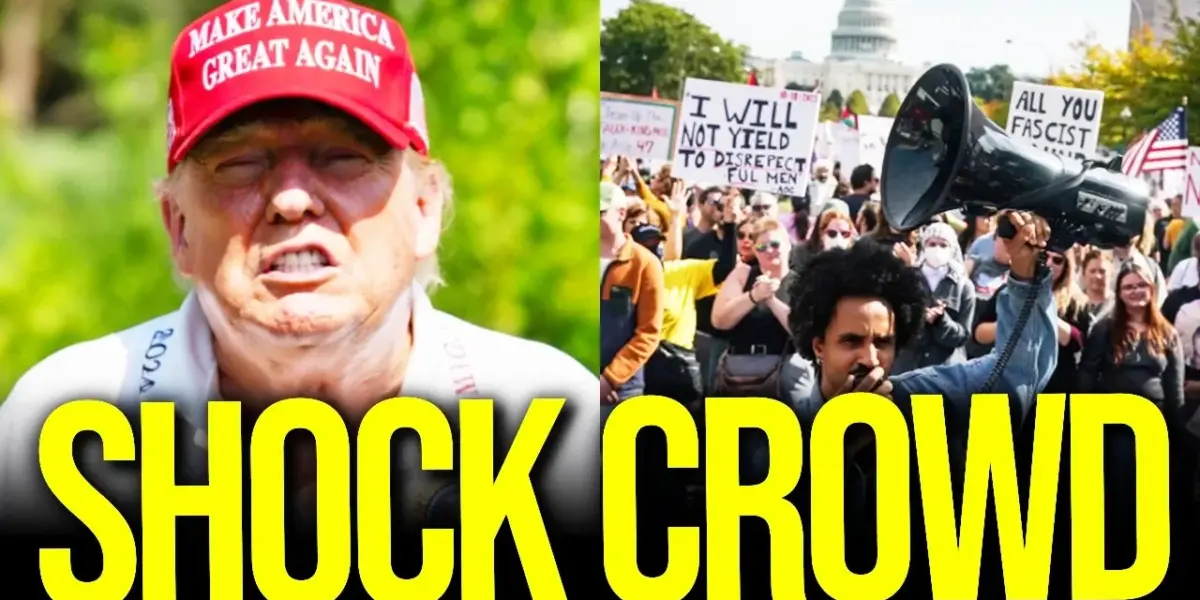
Massive "No Kings Day" protests across America highlighted widespread dissent, while the struggling CPAC conference showed cracks in the MAGA movement. Organizers reported record turnout for the protests, fueled by concerns over executive power and corruption. Meanwhile, CPAC faced declining attendance and a lack of key speakers, signaling a potential shift in political influence.

Mass Protests Expose Cracks in MAGA Movement
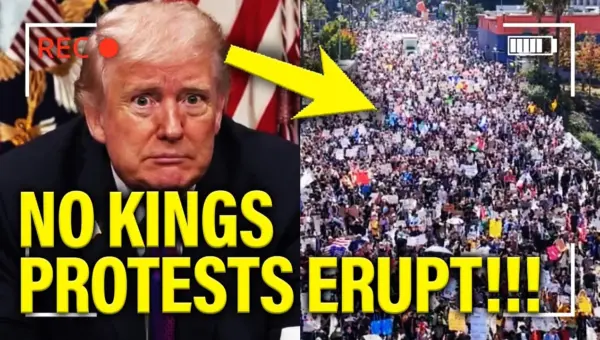
On a recent Saturday, thousands of Americans took to the streets for the “No Kings Day” protest. Organizers expected this to be the largest simultaneous protest in U.S. history. It happened at a time when the Republican Party, particularly the MAGA movement, seems to be struggling. This was highlighted by the recent CPAC conference, which was described as a “disaster” by some observers.
A Wave of Dissent on ‘No Kings Day’
The “No Kings Day” protests saw an incredible turnout. Indivisible, a group that helped organize the events, reported over 3,200 planned protests. Shockingly, 95% of Americans lived within one mile of a protest site. This widespread participation suggested a deep dissatisfaction with the current political direction. The protests were fueled by various concerns, but many people pointed to Donald Trump’s expanding executive power. Issues like healthcare, the Affordable Care Act’s subsidies, and general corruption were frequently mentioned. For some, the focus was on anti-corruption measures, especially concerning elections, stocks, and cryptocurrency. The repeated denial of election results by Trump was seen as a major threat to free and fair elections.
CPAC’s Faltering Star Power
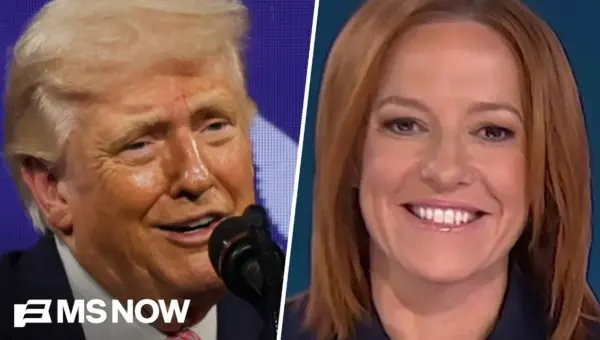
In stark contrast to the “No Kings Day” protests, the Conservative Political Action Conference (CPAC) seemed to be losing its appeal. CPAC was once considered the main event for the MAGA movement, attracting prominent speakers and attendees. However, recent events showed a significant drop in attendance and the caliber of speakers. Reports indicated a 60% decrease in attendees. Donald Trump himself canceled his appearance at the last minute, reportedly fearing he might be booed over the war in Iran. Many well-known MAGA figures were absent. The speakers who did show up included figures like Nick Shirley, whose speech was described as incoherent. Even the conference’s leadership, like Matt Schlapp, faced controversy and criticism.
The Growing Divide: Resistance vs. Fragmentation
The contrast between the “No Kings Day” protests and the CPAC conference paints a clear picture of two diverging political paths. On one side, there’s a growing movement of people actively resisting the current administration and its policies. They are organizing, showing up, and demanding change. On the other side, the MAGA movement appears to be fragmenting. Internal confusion was evident, with debates about key issues like foreign policy and war. This disarray at a major conservative gathering suggests a loss of clear direction and unity within the movement.
Why This Matters
The “No Kings Day” protests and the struggles at CPAC are more than just political events; they signal a potential turning point in American democracy. The large-scale public dissent shows that a significant portion of the population is engaged and concerned about the direction of the country. It highlights a desire for accountability and a pushback against what many see as corruption and an overreach of power. Meanwhile, the difficulties faced by CPAC suggest that the MAGA movement, as currently led, may be losing its broad appeal and struggling to maintain its influence. This dynamic could have major implications for upcoming elections and the future political landscape.
Historical Context and Background
Protests have always been a part of American history, serving as a vital tool for citizens to express their views and demand change. From the Civil Rights Movement to anti-war demonstrations, public gatherings have shaped policy and influenced political outcomes. The “No Kings Day” protests draw on this tradition, channeling public frustration into organized action. Historically, periods of significant public unrest often coincide with shifts in political power and the rise or fall of political movements. The current situation, with widespread protests on one side and a seemingly faltering conservative conference on the other, could be a sign of such a shift.
Looking Ahead: Implications and Future Outlook
The events discussed suggest a growing disconnect between elected officials and the people they represent. As one commentator noted, politicians may feel less accountable to voters when influenced by special interest groups, lobbyists, and Super PACs. The “No Kings Day” movement aims to reassert the power of the people. By showing up in large numbers, citizens can force politicians to pay attention and fear the consequences at the ballot box. This active participation is seen as a crucial counterweight to the perceived degradation of democracy. The success of such movements could encourage more citizen engagement and push for reforms aimed at reducing corruption and increasing transparency. For the MAGA movement, the challenge will be to regain unity and relevance in the face of this growing public opposition and internal divisions. The coming months and years will likely show whether these protests and reform efforts can create lasting change.
Ideas for Democratic Revival
In response to these challenges, various proposals for strengthening democracy have been put forth. These include banning gerrymandering, outlawing insider trading by members of Congress, and overturning Citizens United to limit the influence of money in politics. Other ideas involve making Washington D.C. and Puerto Rico states, supporting alternative voting systems like ranked-choice voting, and imposing term limits on Supreme Court justices. Additionally, there’s a call to pass laws that prevent the spread of lies about elections and restrict presidential tariff authority. Implementing a binding code of ethics for public officials is also part of the proposed agenda. Many of these ideas are described as “80/20 issues,” meaning they have broad public support across the political spectrum. For instance, banning congressional stock trading is popular with about 80% of Americans.
The Power of the Pardon and Presidential Authority
The transcript also touched upon the controversial use of the presidential pardon power. It was suggested that Donald Trump used this power to signal to his supporters that he would protect them if they acted on his behalf. This created an environment where actions, even illegal ones, were met with the expectation of a presidential pardon. The discussion also raised concerns about presidential immunity and the need for a new War Powers Act, requiring presidents to seek congressional approval before starting wars. These points highlight ongoing debates about the balance of power between the executive branch and other branches of government, as well as the president’s role on the global stage.
Source: Trump PANICS as CROWDS SURROUND HIM! (YouTube)

Related Articles
Trump’s War Strategy Faces Skepticism Amidst Shifting Goals
President Trump's strategy in the ongoing Middle East conflict is facing increasing skepticism, even from his own base. While military actions have seen success, strategic goals are unclear and diverging from allies like Israel. The prolonged war and shifting public perception are creating a sense of uncertainty and doubt.
Protests Challenge Trump’s Grip as ‘No Kings’ Movement Grows
Massive 'No Kings' protests swept the nation, challenging the Trump administration and advocating for democratic values. Organizers highlighted growing support and a shift in protest tactics, positioning the movement as a force for positive change.
CPAC Crowd Cheers Impeachment, Stuns Trump Allies
At the recent CPAC conference in Texas, attendees surprised many by cheering for impeachment hearings, signaling potential divisions within the conservative base. The event also highlighted voter frustration over issues like ongoing wars and affordability, with some considering not voting.