Maserati MC20 GT2 Stradale: Track Ready, But Does It Deliver?
The Maserati MC20 GT2 Stradale aims to be a track-ready supercar, boasting aerodynamic upgrades and sharper suspension. While it offers improved track capability, it struggles with everyday usability due to its race-focused interior and compromises on driver engagement.

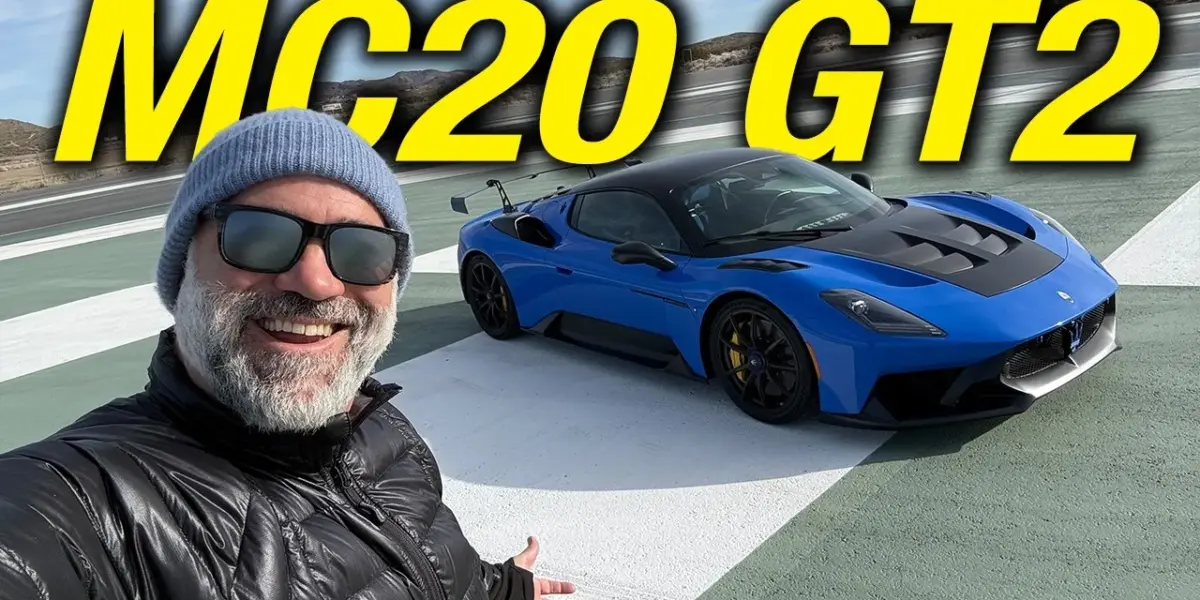
Maserati MC20 GT2 Stradale: Track Ready, But Does It Deliver?
Maserati’s MC20 was already a stunning supercar, praised for its daily drivability up to a certain point. Now, the Italian automaker has introduced the MC20 GT2 Stradale, aiming to sharpen its track prowess. But does this more aggressive version truly conquer the circuit, or does it fall short of its lofty ambitions?
A Sharper Edge for the Track
Maserati has clearly been busy refining the MC20 for track duty. The front fascia gets a complete overhaul with new cooling vents, though this unfortunately means losing the handy front trunk (frunk). You’ll also notice aggressive wheel arch vents, similar to those on McLarens, designed to reduce air pressure buildup. At the corners, forged center-lock wheels shed a significant 42 pounds of unsprung weight, promising better handling. The optional ceramic brakes are now larger and thicker, ready to tackle demanding track sessions.
Around the sides, the changes are more subtle, with reshaped rocker panels. However, prominent scoops on the engine cover feed vital cooling air. Out back, a redesigned diffuser and a large, striking carbon fiber rear wing are the most obvious modifications. Maserati claims these aerodynamic tweaks triple the car’s downforce, boosting stability at high speeds. Early observations, however, suggest the massive rear wing might have been set to a less aggressive angle from the factory, requiring manual adjustment for optimal performance.
Interior Tweaks and Ergonomic Hurdles
Inside, the GT2 Stradale embraces its track-focused nature with optional carbon fiber bucket seats and a prominent central drive mode controller. The dashboard features shift lights, signaling its performance intent. However, these race-bred seats present a significant challenge for everyday usability. Unlike cars with dihedral doors where the roof opens with the door, the MC20’s doors swing outward, making entry and exit with fixed bucket seats surprisingly difficult. Once seated, the seats offer little lumbar support but an abundance of mid-back support, potentially leading to an awkward driving position, especially if racing harnesses are added.
The door pulls, marked with a simple ‘Pull,’ are also a point of confusion, as they are used to close the door, while a separate button opens it. This design quirk could be a real-world inconvenience. Furthermore, the wide-swinging doors require ample space, raising concerns about accidentally dinging neighboring cars in tight parking spots.
On the Road: A Compromise?
The standard MC20 was lauded for its comfortable ride, making it a viable daily supercar. The GT2 Stradale, however, aims for sharper handling, which inevitably impacts comfort. In GT mode, the suspension tightens considerably, making the ride harsh on rough surfaces. While drivers can separate powertrain and suspension settings, allowing for a softer suspension with a sportier engine, the GT mode’s suspension can feel sloppy. For track use, Corsa mode for the powertrain and a medium setting for the shocks seem to offer the best balance.
Less sound deadening means more road and engine noise enters the cabin, and the V6 engine’s sound at lower RPMs isn’t particularly inspiring. The ride can become overly stiff in its hardest settings, even on the track. While Sport mode sharpens throttle response, it can make the suspension too sensitive for spirited driving on public roads, leaving a gap in the driving modes for canyon carving.
Track Performance: Competent, But Lacking Fizz
On the track, the MC20 GT2 Stradale feels potent. The 3.0-liter twin-turbo V6 engine produces a healthy 631 horsepower. With traction control off, it’s capable of impressive launches and offers progressive, manageable slides. The large ceramic brakes, while effective at slowing the car, lack the initial bite and direct pedal feel many expect from a supercar. The 8-speed Tremec gearbox’s paddle shifters, mounted on the column, can be a slight reach for quick shifts.
Despite its carbon fiber construction and ample power, the GT2 Stradale doesn’t quite deliver the exhilarating experience its name and aggressive styling suggest. While it handles competently and doesn’t exhibit any major vices when pushed, it lacks the raw excitement found in competitors like the Porsche 911 GT3 RS or the sharp feedback of a McLaren. The steering is functional but not particularly engaging, and the track suspension can feel a bit bouncy rather than precise.
Value and Verdict
With a starting price in the ballpark of $300,000 (based on the regular MC20’s MSRP), the GT2 Stradale enters a highly competitive segment. While it offers a unique Italian flair and exclusivity compared to more common rivals, it struggles to justify its premium price tag over the standard MC20, which offers much of the same experience for considerably less money. The standard car also boasts more comfortable seats and greater practicality.
For those seeking a visually striking and less common alternative for track days, the MC20 GT2 Stradale is an interesting proposition. It’s certainly more track-capable than the original MC20 and easier to live with on the street than a hardcore GT3 RS. However, it doesn’t quite deliver the ultimate thrill or razor-sharp dynamics that its name and price suggest. It remains a great car at 7/10ths, but when pushed to its absolute limit, it doesn’t quite reach the electrifying heights of its closest rivals, leaving enthusiasts wanting just a little bit more.
Source: The Maserati MC20 GT2 Stradale Is a Track Car For The Street – Or Is it? – TheSmokingTire (YouTube)

Related Articles


Porsche Cayenne EV Crushes Rivals in Speed Showdown
The new all-electric Porsche Cayenne Turbo Electric has proven to be the fastest SUV in its lineup, out-accelerating its hybrid and gasoline siblings. In a head-to-head challenge with actor Orlando Bloom, the EV delivered stunning performance figures, solidifying its place as a speed demon.

Dodge Charger Sixpack Arrives: A Six-Cylinder Surprise
The 2026 Dodge Charger Sixpack arrives with a powerful new twin-turbo inline-six engine, offering up to 550 horsepower. This modern muscle car aims to impress with thrilling performance and a responsive driving feel, potentially winning over even skeptical enthusiasts. A four-door version is also planned.

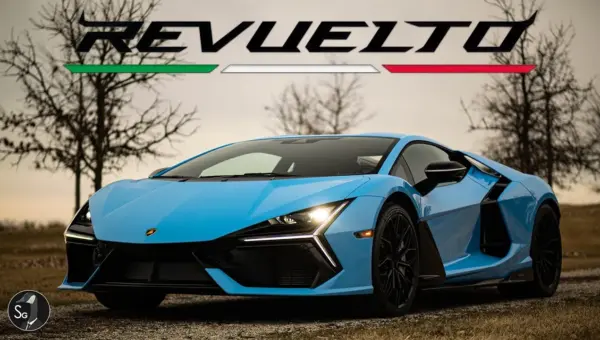
Lamborghini Revuelto Unleashes 1000 HP Hybrid V12
The Lamborghini Revuelto arrives as a groundbreaking hybrid supercar, merging a potent V12 engine with electric power for over 1,000 horsepower. It boasts blistering acceleration, advanced engineering, and a futuristic interior, setting a new standard for the brand's V12 legacy.