Marseille’s Residents Fight Back: How Neighborhoods Reclaim Streets from Drug Dealers
Residents in Marseille, France, are taking a stand against decades of drug dealer dominance. Through community organizing, social programs, and urban renewal efforts, they are fighting to reclaim their neighborhoods and create safer environments for future generations.

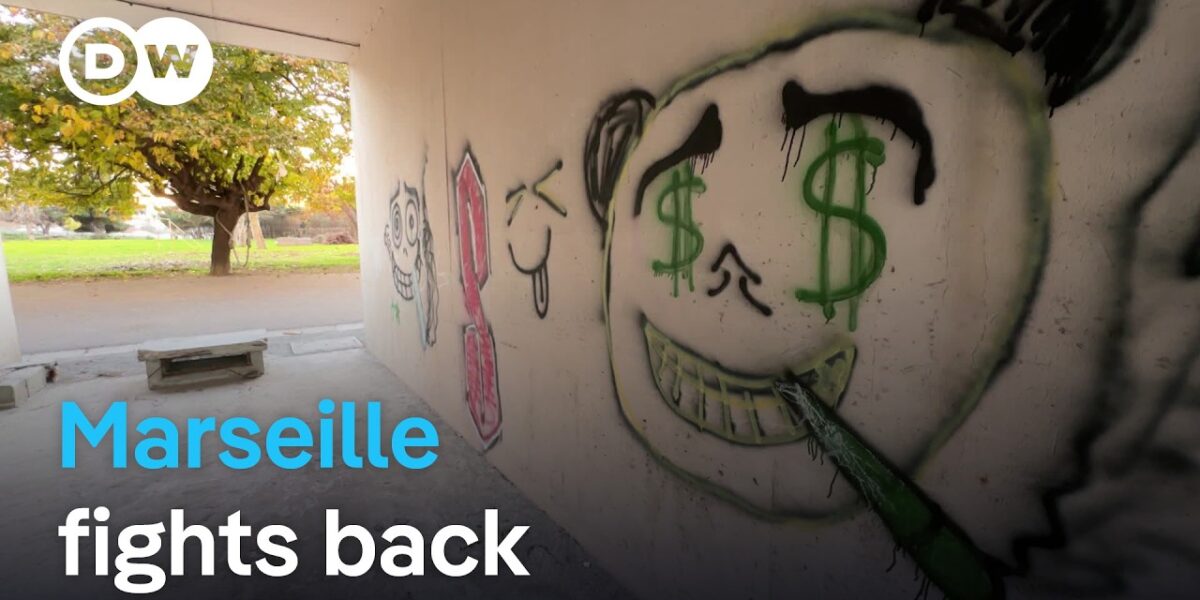
Marseille’s Struggle: The Shadow of Drug Trafficking in a Coastal Gem
Marseille, a vibrant coastal city in southeastern France, is renowned for its stunning Old Port and Mediterranean charm. However, beneath this picturesque surface lies a persistent struggle against a dark undercurrent: decades of drug dealer dominance in certain neighborhoods. While the city grapples with its reputation as one of France’s most dangerous, a growing movement of determined residents is pushing back, determined to reclaim their streets and their sense of security.
The Deterioration of Public Spaces and the Rise of Fear
Drug dealers often target residential complexes that have fallen into disrepair. Buildings lacking basic security measures, functioning elevators, or even a proper reception area become fertile ground for illicit activities. In these environments, residents often live under a cloud of constant fear, a situation that many are no longer willing to tolerate. The fear is palpable, as one resident shared, “Of course, we were afraid, but we had the choice of facing this fear once and for all or living in fear forever.” This sentiment underscores the profound psychological toll that drug-related crime takes on communities.
Escalating Violence and the Human Cost
The fight against drug trafficking has become increasingly violent. In the past three years, approximately 90 lives have been lost in gang-related conflicts. Alarmingly, an increasing number of innocent bystanders are finding themselves caught in the crossfire, becoming victims of a violence they have no part in. Police efforts, including raids, have proven insufficient to stem the tide, with dealers quickly regrouping and re-establishing their presence. Investigative journalist Fieli points to the immense profitability of the illicit drug trade as the root cause. The estimated value of drugs sold in France reached a staggering €7 billion in 2025, a threefold increase since 2010. This lucrative market fuels a relentless cycle of violence, particularly in cities like Marseille.
A Northern Neighborhood Reclaims Its Streets
In a neighborhood in the north of Marseille, residents experienced firsthand the devastating impact of drug dealers establishing a foothold. Social worker Enz Ben Musa described the scene: “There were dealers sitting right here across from the school. They had set up couches and tables. Shootings broke out three times in the three years they were here.” The presence of dealers transformed the area into a ghost town after school hours, with streets eerily empty. However, the community refused to surrender. Residents, galvanized by a desire for safety, took action to reclaim their public spaces.
Community Initiatives: Building a Brighter Future
Farida Chhater, a local mother, emerged as a pivotal figure in this fight. She co-founded an association aimed at creating positive alternatives for young people, organizing regular activities and outings to steer them away from the allure of drug dealing. “I want to show the children what they can achieve. Some of the residents here have become doctors. Anything is possible. It’s important for them to see other things outside of the neighborhood,” she explained. These initiatives are crucial, providing young people with a sense of hope and opportunity, especially in areas where access to recreational activities and support is limited. As one young person noted, “Young people in other neighborhoods don’t have access to recreational activities and support. They also want to do things, but they don’t have the money, so they start dealing.”
The Plight of Belzambra: A Call for Support
The residents of Belzambra, another neighborhood, have also faced significant challenges. Elon, a resident, recalled the constant threat of violence: “Shootings could happen at any moment and anyone could fall victim. There are many such stories of people who had nothing to do with drugs who were shot and killed.” This fear has driven them to protest in front of the Marseille town hall. Their demonstration highlighted concerns about the deteriorating condition of their apartment building, which they attribute to mismanagement and a lack of public subsidies. “Our plight is in full view and the city is saying its hands are tied. We don’t get why nobody will intervene. We feel abandoned. In our view, the city isn’t taking responsibility,” a resident stated, expressing feelings of neglect.
Pushing Back Against Neglect: Residents Take Initiative
Officials at the town hall have rejected these criticisms, asserting that the city has provided support to property owners. However, they maintain that the city cannot act as a sole caretaker. This stance has prompted residents to take matters into their own hands. The community in Belzambra is now actively working to improve their living conditions, aiming to “plug holes like this one.” They are organizing meetings with property owners, including developers, with plans to repaint and renovate their building. This proactive approach signifies a shift from passive victimhood to active community empowerment.
Renovation and Resilience: A Path to Lasting Change
The renovation and revitalization of the building in Belzambra are seen as a crucial step in deterring drug dealers. By improving the physical environment and re-establishing a sense of pride and ownership, residents aim to make their neighborhood less attractive for illicit activities. This resident-led effort, coupled with community-building initiatives like those in the northern neighborhood, offers a hopeful model for other areas struggling with similar issues. The resilience and determination of Marseille’s residents demonstrate that collective action, even in the face of overwhelming challenges, can pave the way for a safer and more secure future.
Broader Implications: A Model for Urban Renewal
The situation in Marseille is emblematic of urban challenges faced by cities worldwide, where socioeconomic disparities, declining infrastructure, and the pervasive influence of organized crime can erode community safety. The efforts of Marseille’s residents highlight the critical importance of community engagement, proactive social programs, and targeted urban renewal initiatives. By fostering a sense of collective responsibility and providing tangible support, cities can empower residents to become active agents of change, transforming neglected areas into thriving communities. The success of these initiatives in Marseille could serve as a valuable case study for other cities grappling with similar issues, demonstrating that even in the darkest of times, the spirit of community can prevail.
The Economic Engine of Crime
Understanding the economic drivers behind drug trafficking is paramount to devising effective long-term solutions. As Fieli noted, the sheer volume of money involved—billions of euros annually—creates powerful incentives for criminal organizations. This economic power allows them to corrupt officials, intimidate residents, and outmaneuver law enforcement. Addressing this requires a multi-pronged approach that includes not only robust policing but also efforts to disrupt the financial networks of drug cartels and provide viable economic alternatives for vulnerable populations. The increasing involvement of innocent bystanders in the violence underscores the urgency of these measures.
Empowerment Through Action
The narrative of Marseille is one of resilience and empowerment. Residents, once living in fear, are now actively shaping their environment. The association founded by Farida Chhater, the protests in Belzambra, and the renovation plans are not just isolated incidents but interconnected threads in a larger tapestry of community self-defense. These actions send a clear message to both drug dealers and authorities: the residents are no longer passive observers but active participants in the future of their neighborhoods. The success of these endeavors hinges on sustained support, both from within the community and from external stakeholders, including local government and urban development agencies.
The Long Road Ahead
While progress has been made, the fight is far from over. The transient nature of drug dealing, with dealers moving to new locations as they are displaced, indicates the need for continuous vigilance and adaptable strategies. The underlying issues of poverty, lack of opportunity, and urban decay that make certain areas vulnerable must be addressed comprehensively. The story of Marseille’s neighborhoods is a testament to the power of collective action and the unwavering spirit of people determined to live in peace and safety. It is a story that resonates far beyond the French Riviera, offering a beacon of hope for communities facing similar battles worldwide.
Source: How a neighborhood in Marseille took on drug dealers | Focus on Europe (YouTube)

Related Articles


Epstein Files Reveal New Sex Trafficking Probe Details
New details from the unsealed Epstein files reveal an FBI informant's claims of an American shooting a judge in a Mexican sex trafficking case and suspicions of leaks. Senator Ron Wyden is now urging the DEA to investigate potential drug trafficking links connected to Epstein.

Mexico Cartel Violence Erupts After US-Aided Leader’s Death
A targeted operation against a top cartel leader, supported by US intelligence, has triggered a violent surge in Mexico. The killing of the CJNG leader has led to subordinate factions unleashing chaos, raising questions about US drug policy and the complex geopolitical landscape.

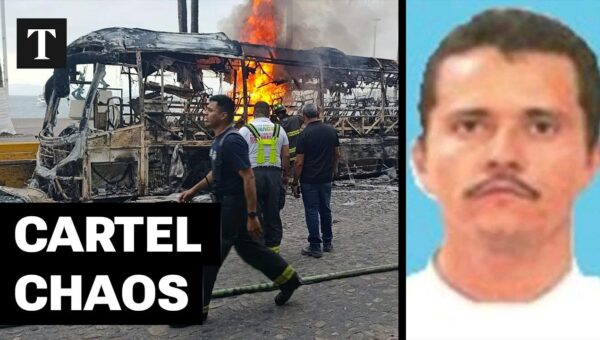
Mexico Cartel Faces Unpredictable Succession Battle After Leader’s Death
Mexico is grappling with a volatile succession battle within the Jalisco New Generation Cartel (CJNG) following the reported death of its leader, El Mencho. The cartel's response has included widespread violence and escapes, raising concerns about a new era of unpredictability. The situation casts a shadow over tourism and the upcoming World Cup, despite government assurances.