Markets Surge on Iran Ceasefire; AI Stocks Shine
Markets surged as the U.S. and Iran agreed to a ceasefire, easing fears of conflict in the Strait of Hormuz. The deal sent stock markets soaring and oil prices tumbling. Amidst the geopolitical news, AI and tech stocks are showing strong potential for investors.

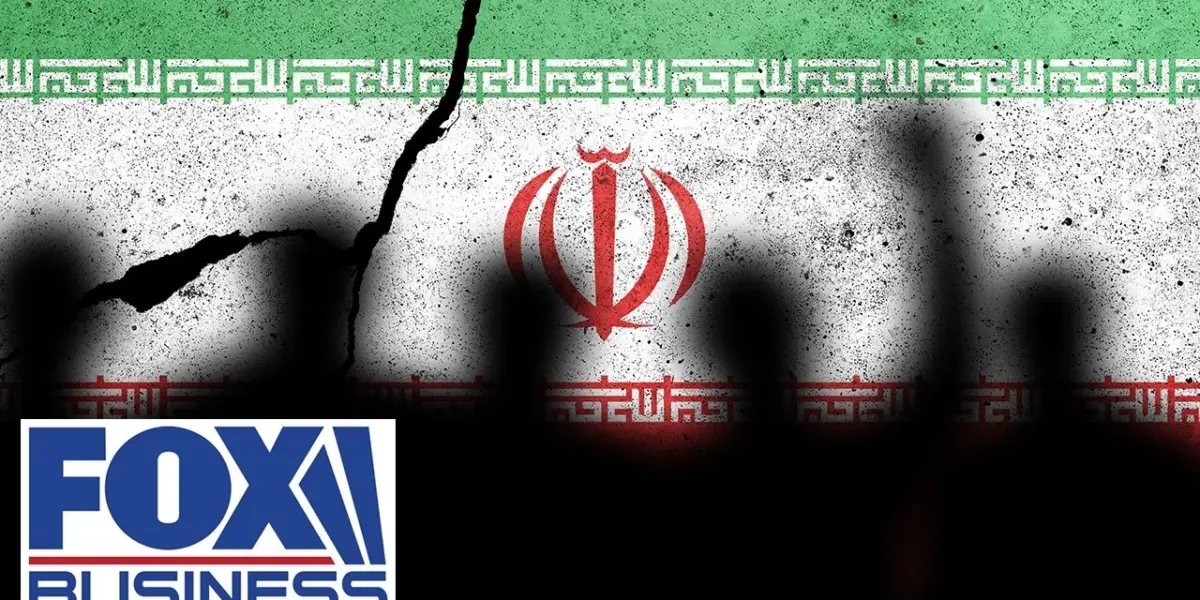
Markets Rally as Iran Ceasefire Eases Tensions
Major stock markets experienced a significant upswing on Wednesday, with the Dow Jones Industrial Average jumping 1200 points. This surge followed breaking news that the U.S. and Iran had agreed to a two-week ceasefire just hours before a deadline set by President Trump. The President had threatened to disrupt the Strait of Hormuz, a crucial global oil shipping lane, if a deal wasn’t reached. President Trump announced the development on social media, calling it a “big day for world peace” and stating Iran’s desire to make it happen.
The agreement brought immediate relief to financial markets. Stock futures soared, and oil prices dropped by 17% as the immediate threat to global energy supplies eased. Reports indicated movement within the Strait of Hormuz, signaling the de-escalation of the conflict. This positive development has boosted investor confidence, leading to a strong inflow of money into equities.
Human Shield Reports Raise Concerns Amidst Diplomatic Breakthrough
In the hours leading up to the ceasefire agreement, reports emerged of Iranian leadership instructing civilians, including children, to form human chains around power plants and bridges in the region. This tactic, often referred to as using a “human shield,” occurred amidst President Trump’s warnings about potential U.S. actions against infrastructure. The Kuwaiti Ministry of Defense urged its citizens to remain indoors due to intense Iranian attacks in the preceding hours.
While the market reacted positively to the diplomatic breakthrough, the use of human shields has drawn criticism. Analysts noted that this aspect was largely overlooked by some media outlets and political groups. The development has also shifted the political conversation, potentially impacting discussions about presidential war powers.
Market Looks Forward: Opportunities in AI and Tech
Despite the geopolitical tensions, markets have a history of looking ahead. Even with negative headlines, investors often find reasons to buy or hold positions, anticipating future growth. The current market environment is seen as having more to like than fear, with strong performance from the U.S. military and leadership cited as positive factors.
The recent market sell-off has created opportunities, particularly in the technology sector. Two weeks prior, some portfolios saw significant gains as high-quality companies were undervalued. Artificial Intelligence (AI) and semiconductor stocks, which had previously faced scrutiny over high valuations, are now presenting attractive entry points. Companies like Microsoft and Meta are trading at lower valuations compared to the broader S&P 500 index. Notably, NVIDIA, a leading AI chipmaker, has seen its stock price align with the S&P 500, despite growing at eight times the rate of the index. This suggests significant potential for growth in these tech-focused areas.
Economic Factors: Oil Prices and Corporate Earnings
The recent spike in oil prices, which began in late February and continued through March, is expected to impact first-quarter corporate earnings reports. Companies are anticipating higher costs due to the surge in energy prices. However, market expectations have largely factored in these increased costs. The current drop in crude oil prices further alleviates some of this pressure going forward.
Geopolitical Considerations: China, Russia, and Iran’s Future
The ceasefire opens the door for complex negotiations between the U.S. and Iran. While Iran seeks to lift sanctions and continue trade with countries like China and Russia, its negotiating position is weakened by systemic economic problems exacerbated by the recent conflict. The U.S. has presented a 15-point plan, while Iran has offered a 10-point plan, with limited overlap currently.
Concerns remain regarding the potential involvement of China and Russia. Reports suggest China may have assisted Iran’s missile program, and both nations vetoed a UN resolution concerning the Strait of Hormuz. China’s role in pressuring Iran towards a ceasefire is also noted, as China relies heavily on oil imports. Future discussions, potentially during President Trump’s visit to Beijing, will likely address China’s responsibility in ensuring Iran’s stable behavior and the burden of securing oil flows.
Outlook: Will the Ceasefire Hold?
The sustainability of the ceasefire remains uncertain and will depend on internal stability within Iran and its adherence to the agreement. Any continued aggression towards neighboring countries, including Israel, could jeopardize the truce. Upcoming talks, including potential meetings with the Vice President, will be closely watched to gauge the durability of this de-escalation.
Market Impact
The immediate market reaction to the Iran ceasefire has been overwhelmingly positive, with significant gains in major indices and a sharp decline in oil prices. This suggests that geopolitical stability is a key driver for investor sentiment and market performance. The reduction in oil prices is beneficial for consumers and businesses, potentially lowering operating costs and boosting consumer spending. The focus now shifts to the ongoing diplomatic efforts and the stability of the Middle East region. Investors should monitor geopolitical developments closely, as they can quickly impact market volatility and sector performance.
What Investors Should Know
The current market environment presents both risks and opportunities. While geopolitical tensions have eased, they can resurface quickly. The strong performance of AI and technology stocks highlights the ongoing digital transformation and the potential for growth in innovative sectors. Investors may find value in companies with strong fundamentals that have been temporarily oversold. It is crucial to look beyond short-term market fluctuations and focus on long-term investment strategies, considering both the broader economic outlook and the specific growth prospects of individual companies and sectors.
Source: MAJOR FLASHPOINT: Human shield reports raise FRESH new concerns (YouTube)

Related Articles

US Threatens Iran with ‘Obliteration’ Over Strait of Hormuz
The United States has issued a severe ultimatum to Iran, threatening 'obliteration' if the Strait of Hormuz is not opened. This comes amid a high-risk military rescue mission and President Trump's controversial social media use. Meanwhile, the Artemis 2 crew makes history by traveling further from Earth than any humans before.

US Threatens Iran as Space Race Heats Up
The U.S. has issued a stern ultimatum to Iran, threatening strikes on infrastructure if a ceasefire and the reopening of the Strait of Hormuz are not agreed to by tomorrow. This comes as Iran presents its own demands and warns of retaliation. Meanwhile, the Artemis II astronauts made history with a record-breaking lunar mission, and AI leader Sam Altman cautioned about the technology's potential dangers, calling for a new social contract.

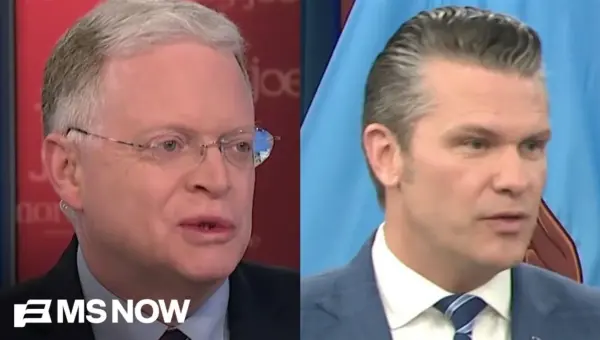
Analyst Slams Secy. Hegseth for False Claims on Iran Conflict
Analyst David Rohde has challenged Secretary Hegseth's claims about the Iran conflict, calling them "false statements." Rohde disputes assertions of a decisive U.S. military victory and a "new regime" in Iran. He also criticizes the politicization of the military and the framing of the conflict.