Markets Soar as War Fears Fade After Iran Strike Delay
Stock markets surged and oil prices plummeted as fears of military conflict with Iran subsided following a decision to postpone strikes. The markets reacted swiftly to the reduced geopolitical risk, showing the direct link between international relations and economic stability.

Markets Soar as War Fears Fade After Iran Strike Delay
The world’s financial markets reacted strongly to a sudden shift in geopolitical tensions. Stock markets surged and oil prices plummeted after the U.S. announced it would postpone military strikes on Iranian power plants. This decision came just as an ultimatum to Iran was set to expire. The news sent a clear signal that a major conflict might be avoided, at least for now.
Oil Prices Take a Dive
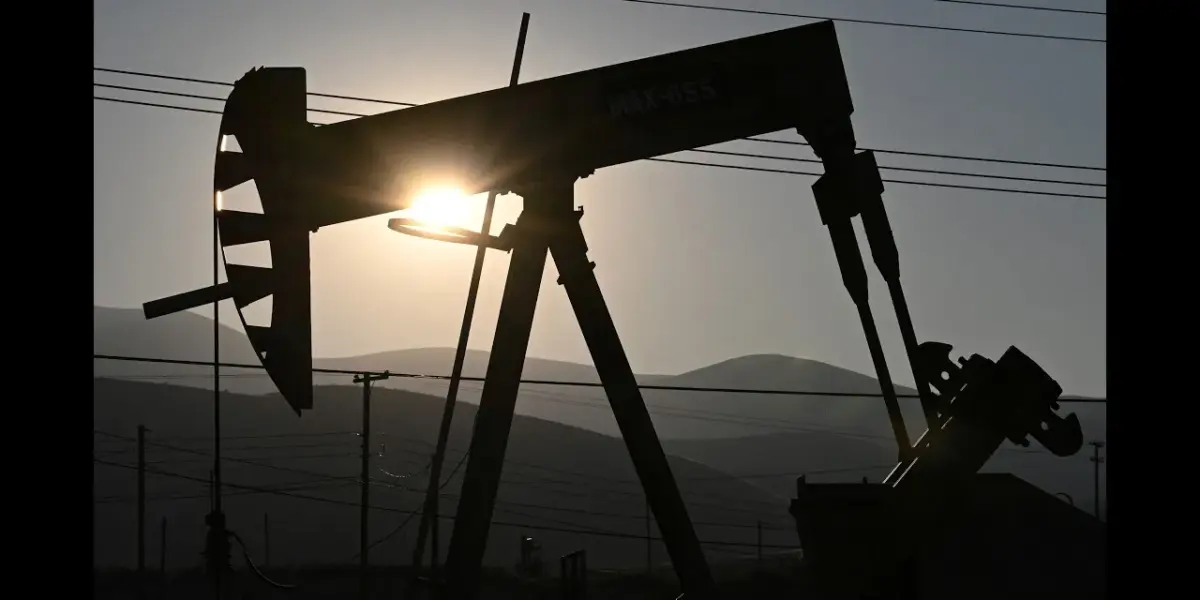
The most immediate impact was seen in the oil market. West Texas Intermediate (WTI) crude oil futures dropped nearly 9%, falling below $90 a barrel. Brent crude, the international benchmark, saw an even steeper decline, down almost 10% to around $100 a barrel. At one point, prices had fallen as much as 14% before recovering slightly. This sharp drop reflects the market’s relief that a potential disruption to oil supplies from the Middle East had been averted.
Stocks Rally on Reduced Risk
In contrast to oil, stock markets experienced a significant boost. Major U.S. stock indexes opened sharply higher. The Dow Jones Industrial Average jumped over 800 points, representing a gain of 1.8%. Both the S&P 500 and the Nasdaq Composite indexes also saw strong gains, rising by more than 1.5%. Investors clearly saw the postponement of military action as a positive development, reducing the risk of broader economic instability.
Background: The Hormuz Ultimatum
The president’s decision arrived just hours before a 48-hour deadline given to Iran. This deadline was set to pressure the Iranian regime to stop attacking ships in the Strait of Hormuz. The Strait of Hormuz is a critical chokepoint for global oil transport, making any threats to its security a major concern for international markets. The U.S. had accused Iran of recent attacks on oil tankers in the region, leading to heightened tensions.
Official Stance on the Decision
Treasury Secretary Scott Bessant had previously defended the president’s aggressive stance over the weekend. He emphasized the need to hold Iran accountable for its actions and protect international shipping lanes. However, the president’s ultimate decision to pause military action suggests a preference for de-escalation, at least in the short term. This move appears to prioritize economic stability and avoiding a costly conflict.
Why This Matters
The rapid and significant market movements highlight how closely intertwined global finance is with international relations. Geopolitical events, especially those involving major oil-producing regions, can have immediate and substantial effects on economies worldwide. The postponement of military strikes, even if temporary, signals a potential path toward diplomacy and reduced conflict. This can lead to greater market stability and predictability, which is crucial for businesses and consumers alike.
Implications and Future Outlook
While the markets celebrated the immediate de-escalation, the underlying issues remain. The threat of conflict in the Strait of Hormuz is a persistent concern. Future actions by Iran or the U.S. could quickly reverse these market gains. The situation underscores the delicate balance of power in the Middle East and its impact on global energy security. Investors will be watching closely for any further developments, as continued uncertainty could lead to renewed market volatility.
Historical Context
Tensions between the U.S. and Iran have a long history, dating back to the 1979 Iranian Revolution. The Strait of Hormuz has been a focal point of these tensions for decades, with both countries having the ability to disrupt shipping through the narrow waterway. Past incidents have often led to sharp fluctuations in oil prices and stock market jitters. This recent event is another chapter in that ongoing narrative, demonstrating how quickly the global economic outlook can change based on political decisions.
Trends to Watch
This event is part of a broader trend where geopolitical risks are directly influencing financial markets. As global supply chains become more interconnected, events in one region can have ripple effects everywhere. The reliance on oil from the Middle East means that any instability there will continue to be a major factor for economic forecasting. Future diplomatic efforts or escalations will be closely monitored by traders and analysts alike.
Source: Oil Plummets, Stocks Surge After Military Strikes on Iranian Power Plants Postponed (YouTube)

Related Articles

U.S. Iran Tensions Rise Amid Shifting Alliances
Rising tensions between the U.S. and Iran are creating a volatile geopolitical situation. With conflicting signals on de-escalation and potential shifts in alliances like NATO and U.S.-Israel relations, the path forward remains uncertain. The global economy and regional stability hang in the balance.


Iran Targets US With Cyberattacks, Escalating Digital Warfare
Iran is increasingly using cyberattacks to challenge the U.S., as seen in a recent hack of the FBI director's account. Experts say this is a strategic shift due to Iran's limitations in conventional warfare. The U.S. needs to strengthen its digital defenses, focusing on encryption and cloud computing, rather than solely relying on traditional security measures.

Iran Hacks FBI Chief, Exposing U.S. Cyber Vulnerabilities
A recent hack of FBI Director Kash Patel's personal email by an Iran-linked group highlights Iran's growing cyber threat to the U.S. Experts explain how simple security oversights are exploited, emphasizing the need for basic defenses like two-factor authentication to protect against propaganda and potential infrastructure attacks.