Markets shrug off Iran tensions, focus on growth
Markets are showing resilience, looking past geopolitical tensions with Iran to focus on economic growth. Analysts remain optimistic about growth prospects despite some skepticism on high-end forecasts. Key inflation and interest rate data are closely watched.

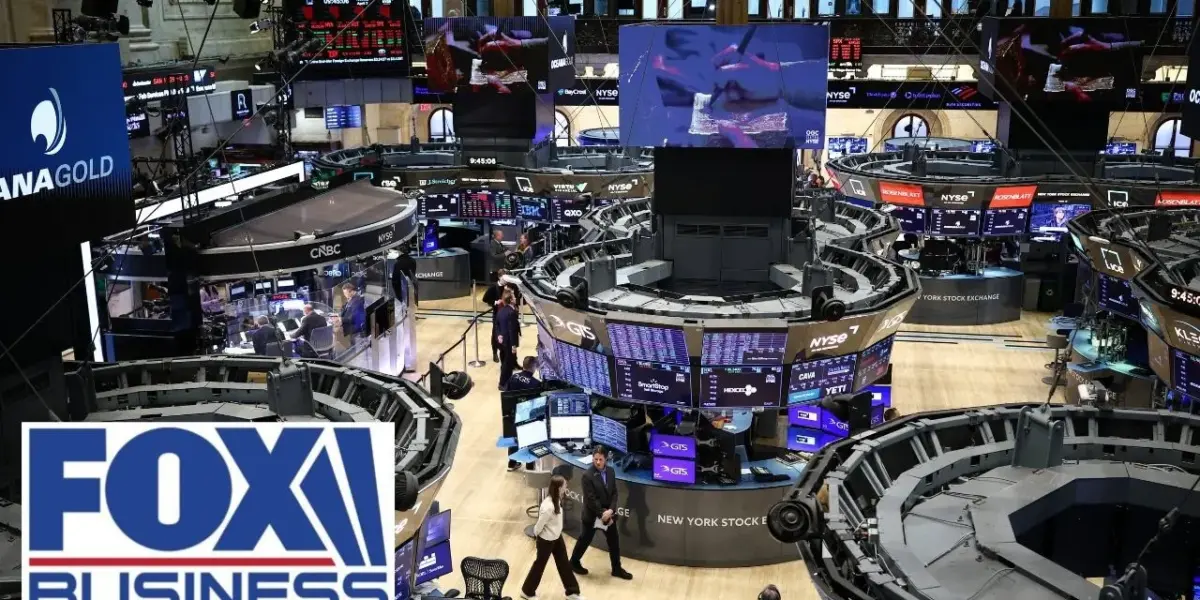
Markets Show Resilience Amid Geopolitical Uncertainty
Global markets are demonstrating remarkable stability, appearing to look past immediate geopolitical tensions involving Iran and focusing instead on the potential for economic growth. Despite concerns over supply disruptions and inflation, major U.S. indices have shown resilience, with the S&P 500 marking its seventh consecutive session of gains recently. This suggests that investors are betting on a swift resolution to the current conflict.
Economic Growth Forecasts Remain Optimistic
White House National Economic Council Director Kevin Hassett expressed a strong belief in the administration’s policies fostering a “golden age” of economic growth. He reiterated his forecast for the U.S. economy to grow between 4% and 5% this year. Hassett attributed this optimism to strong productivity gains, which are already contributing significantly to economic output. He views the current geopolitical situation as a temporary distraction that will soon fade.
“We fully expect that we’ve got so much on the table that we’re willing to give to help the Iranian people if they just act normally that hopefully they’ll be cooler heads and sounder minds at the Iranian side and that we’ll come to a final agreement this weekend.”
– Kevin Hassett, White House National Economic Council Director
Skepticism on Growth Projections
However, not all analysts share Hassett’s rosy outlook. John Lonsky, a market analyst, pointed out that consensus forecasts for real GDP growth were closer to 2% even before the recent geopolitical events. He cited recent data suggesting first-quarter GDP growth might be as low as 1.3%, making a 4-5% growth rate seem highly improbable.
Jamie Cox, managing partner at Harris Financial Group, also called Hassett’s growth forecast a “moonshot.” While expecting positive GDP growth, Cox believes achieving 4% is exceptionally difficult, especially with the ongoing conflict potentially impacting consumer spending and inflation. He suggested that inflation might dampen consumer spending more than anticipated, making a 4% growth target unrealistic.
Oil Prices and Inflation Concerns
Oil prices remain a key focus, hovering below $100 a barrel. Reports indicate that twelve tankers have crossed the Strait of Hormuz since a ceasefire began, with only one flagged as non-Iranian. President Trump has publicly expressed dissatisfaction with Iran’s handling of oil shipments through the strait, stating it does not align with the agreed-upon terms.
The potential impact of these events on inflation is a significant concern. Federal Reserve officials have already raised their 2026 inflation outlook due to war-related oil price shocks. Upcoming Consumer Price Index (CPI) data for March will provide crucial insights into the current inflationary environment, particularly regarding energy costs.
Federal Reserve Policy and Interest Rates
Futures traders are pricing in roughly a 30% chance of a rate cut in the latter half of the year. However, analysts like Jamie Cox believe the Federal Reserve, with its dual mandate of maximum employment and stable prices, is unlikely to raise interest rates during a supply shock. He also suggested that lowering rates might be difficult to justify at this point, though stable rates in the U.S. could offer an advantage compared to rising rates in Europe.
The nomination hearing for Federal Reserve Chair Kevin Warsh may be delayed, with paperwork and financial disclosures being collected. Senator Tom Tillis has indicated he will not proceed until the investigation into Jerome Powell is concluded. Hassett, meanwhile, does not expect Jerome Powell to remain on the Fed board beyond May.
Market Sentiment and Investor Behavior
Investor sentiment has been a key theme, with analysts noting a significant drop in the bull-bear ratio, a widely followed indicator. A reading around 1.0 or lower is typically considered a strong buy signal. This bearish sentiment, from a contrarian perspective, often signals a market bottom.
Some experts believe the market may have already seen its low for the year. This view is supported by the historical pattern where geopolitical crises often present buying opportunities. Investors, conditioned by past events, are increasingly adopting a “buy on the dip” mentality, seeking to capitalize on market downturns.
Sector Spotlight: Healthcare and Technology
The healthcare sector is showing signs of improvement, traditionally a favored area for Wall Street during uncertain times. Strong earnings prospects and potential acquisitions by large pharmaceutical companies looking to bolster their pipelines with smaller biotech firms are driving interest.
Technology, while performing well overall, shows divergence. Semiconductors are experiencing a boom, driven by the artificial intelligence (AI) narrative. Companies like Nvidia are leading the charge. However, software companies are facing pressure, partly due to AI’s potential to disrupt software development. The focus is shifting towards companies effectively implementing AI to enhance productivity and gain a competitive edge.
Private Credit and Banking Sector Stability
Concerns have been raised about Wall Street building tools to bet against private credit. However, data on bank loans suggests stability. Banks, having strengthened their balance sheets since the 2008 financial crisis, are actively lending. This suggests that private credit issues are unlikely to trigger a systemic problem or a widespread credit crunch, provided banks continue their lending activities.
Volatility and Future Outlook
The Volatility Index (VIX), often referred to as the market’s fear gauge, recently hit close to 30, a level historically associated with market bottoms. While the VIX is currently lower, a significant increase in volatility could occur if weekend developments in Iran lead to renewed conflict. Despite current uncertainties, a positive outlook for the market persists through the end of the year, supported by ongoing earnings growth.
Energy Sector Restructuring
The energy sector is undergoing a significant transformation. The reliance on the Strait of Hormuz for oil transport is diminishing, prompting countries and businesses to restructure supply chains. Even with potential resolutions in Iran, oil prices are expected to remain in the $90-$100 range for some time. The event has highlighted the vulnerability of global energy supplies and the need for greater energy independence.
Source: INVESTOR SENTIMENT: Markets look past short-term geopolitical shocks | Sunday Prep (YouTube)

Related Articles
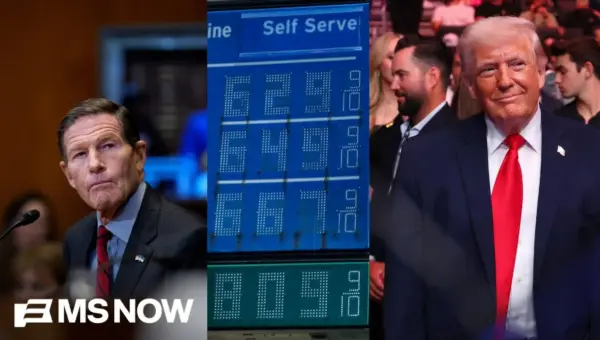
Trump’s Economy Crumbles as Iran Conflict Sparks Price Hikes
Soaring gas prices and inflation are hitting Americans hard, with a Democratic Senator blaming President Trump's policies and the conflict with Iran. The economic pain is causing widespread anxiety and forcing difficult choices for families. Senator Blumenthal calls for diplomacy and a stronger Congressional role in foreign policy.

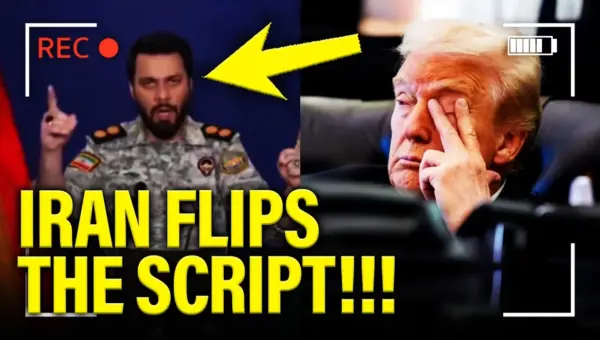
Iran’s AI Trolls Outsmart Trump’s Online War
Iran has turned to AI-generated videos and a relentless online trolling campaign to counter Donald Trump following failed negotiations. This strategy highlights a new form of asymmetrical warfare in the digital age, raising questions about the future of international relations and information control.

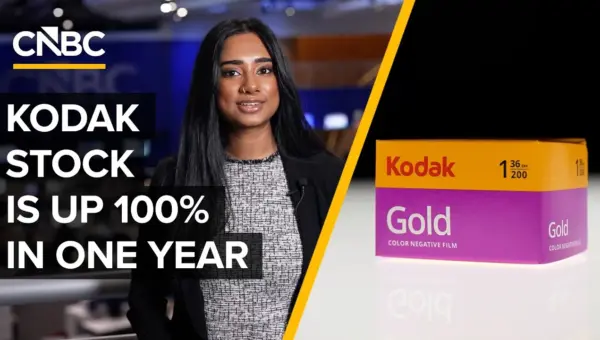
Kodak Stock Soars 100% As Film Brand Stages Comeback
Kodak's stock has surged 100% in the past year, signaling a potential turnaround for the historic film company. CEO Jim Continenza is focusing on film demand from Hollywood and strengthening the company's financial base by reducing debt.