Markets Brace for Volatility Amid Geopolitical Tensions
Global financial markets are facing increased volatility driven by geopolitical tensions, particularly concerning Iran. Investors are urged to stay informed, manage risk, and maintain a long-term perspective amidst the current market turmoil. Understanding the impact of global events is crucial for navigating potential financial shifts.


Markets Brace for Volatility Amid Geopolitical Tensions
Global financial markets are navigating a period of heightened uncertainty, with geopolitical developments, particularly in the Middle East, casting a shadow over investor sentiment. While specific market movements and price targets were not detailed in the provided transcript, the overarching theme points to an environment where investors must remain vigilant and adaptable.
Navigating Market Turmoil
The current market landscape is characterized by a degree of turmoil, suggesting that established trends may be subject to abrupt shifts. This volatility can be driven by a confluence of factors, including macroeconomic data, corporate earnings, and, significantly, geopolitical events. The transcript alludes to a need for investors to confront these market dynamics directly, rather than shying away from them. This implies that a proactive approach to understanding and assessing risks is paramount.
The Impact of Geopolitical Events
The mention of “Iran” in the context of market turmoil underscores the significant influence that international relations and potential conflicts can have on financial markets. Geopolitical instability can disrupt supply chains, impact commodity prices (such as oil), and lead to broader economic slowdowns. For investors, this translates to increased risk premiums across various asset classes. Events in regions like the Middle East can have ripple effects globally, influencing everything from stock valuations to currency exchange rates.
What Investors Should Know
In an environment marked by potential market turmoil and geopolitical headwinds, investors are advised to:
- Stay Informed: Keep abreast of global news, particularly developments in key geopolitical regions and their potential economic ramifications.
- Assess Risk Tolerance: Understand your personal capacity to withstand market fluctuations. This is crucial for making investment decisions that align with your financial goals and comfort level.
- Diversify Portfolios: Spreading investments across different asset classes, geographies, and sectors can help mitigate risks associated with any single event or market.
- Focus on Fundamentals: While short-term volatility can be unsettling, a long-term perspective focused on the underlying financial health and prospects of companies remains a cornerstone of sound investing.
Long-Term Implications
While the immediate focus may be on short-term market reactions to events, the long-term implications of sustained geopolitical tension can be profound. Investors may need to re-evaluate their asset allocation strategies to account for a potentially more volatile global environment. Sectors that are typically sensitive to geopolitical risks, such as energy, defense, and even technology (due to supply chain vulnerabilities), might experience heightened scrutiny. Conversely, assets often considered safe havens, like certain government bonds or precious metals, could see increased demand during periods of uncertainty.
Conclusion
The current market sentiment, influenced by geopolitical factors, necessitates a cautious yet informed approach from investors. While the provided information did not offer specific market predictions or data points, the underlying message emphasizes the importance of understanding and adapting to an unpredictable financial landscape. By staying informed, managing risk, and maintaining a long-term perspective, investors can better navigate the complexities of today’s global markets.
Source: Confronting Ross Gerber on the Market Turmoil & Iran. (YouTube)

Related Articles


IRGC’s Grip: Is Defeating Iran’s Guard Key to Regime Change?
The Islamic Revolutionary Guard Corps (IRGC) is identified as a primary obstacle to regime change in Iran. Its deep integration into the nation's military, economy, and infrastructure, coupled with its ideological resolve, makes it a formidable 'pritorian guard' of the current leadership. Experts suggest its defeat may be necessary to alter Iran's political future.

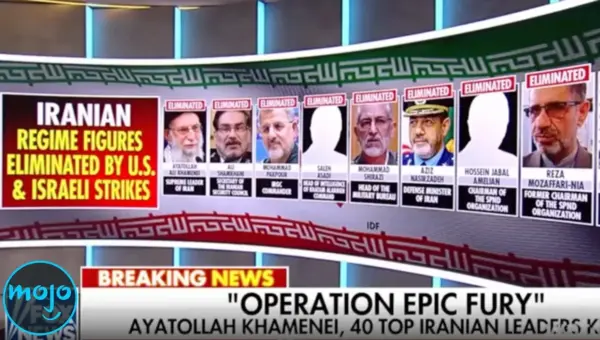
Iran’s Supreme Leader Eliminated in Bold US-Israel Strike
The world was shaken on February 28th, 2026, as Iran's Supreme Leader, Ayatollah Ali Khamenei, was reportedly killed in a joint US-Israeli strike. This event marks the end of an era defined by ideological warfare and proxy conflicts, leaving the future of the Middle East in a state of profound uncertainty.

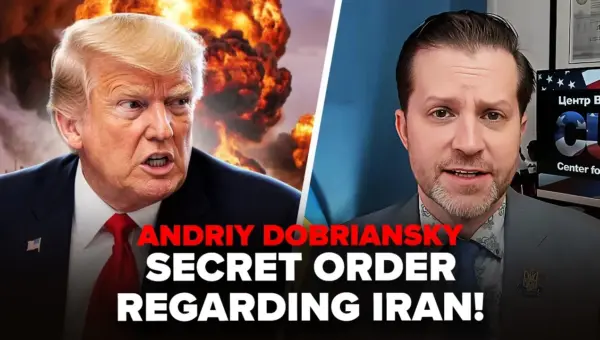
US Launches Airstrikes on Iran Amidst Global Alert
The United States has initiated a significant aerial campaign against Iran, marking the largest U.S. naval and air superiority operation in 25 years. The move follows assurances from the President that war would be avoided, raising questions about strategy and transparency.