Markets Brace for Geopolitical Shifts
Geopolitical events, particularly those involving major global players, can significantly impact financial markets. Investors should monitor shifts in international relations, as they can influence oil prices, currency values, and stock market performance.


Markets Brace for Geopolitical Shifts
The global financial stage is often shaped by major geopolitical events, and recent developments involving Iran are no exception. While the specific details of any presidential address to a nation can vary, the underlying tension and potential for shifts in international relations carry significant weight for investors. Understanding these dynamics is key to navigating the broader market environment.
Geopolitical events, such as significant speeches or policy changes concerning major global players, can create ripples across various asset classes. These events can influence everything from oil prices and currency values to stock market performance and investor confidence. When a leader addresses the nation on matters of foreign policy, especially concerning regions with historical or economic significance like the Middle East, markets tend to pay close attention.
What Investors Should Know
When major geopolitical news breaks, it’s crucial for investors to understand the potential impact on their portfolios. These events can introduce uncertainty, which is often a key driver of market volatility. Uncertainty can lead to increased fear or optimism among investors, prompting them to buy or sell assets, thereby affecting prices.
For instance, heightened tensions in the Middle East often have a direct impact on oil prices. The region is a major producer of crude oil, and any disruption to supply or significant geopolitical shifts can cause oil prices to surge. Higher oil prices can lead to increased costs for businesses, particularly those in transportation and manufacturing, potentially squeezing profit margins and affecting consumer spending due to higher energy costs.
Currency markets can also react sharply. If tensions lead to a perceived increase in risk, investors might move their money into safer assets, often strengthening currencies like the US dollar or Swiss franc. Conversely, currencies of countries directly involved or perceived to be at higher risk might weaken.
Impact on Stock Markets
Stock markets often experience increased volatility around significant geopolitical events. Companies with substantial international operations, especially those with exposure to the Middle East or heavily reliant on global supply chains, may see their stock prices fluctuate more dramatically. Defense contractors, on the other hand, might see increased interest if geopolitical tensions escalate.
The broader market indices, like the S&P 500 or Dow Jones Industrial Average, can experience dips as investors become more risk-averse. However, these reactions are often short-lived if the situation de-escalates quickly or if the economic impact is perceived as contained. Conversely, prolonged instability can lead to more sustained market downturns.
Long-Term Implications
Beyond the immediate market reactions, geopolitical events can have longer-term consequences. Shifts in international relations can lead to changes in trade agreements, economic sanctions, or alliances. These changes can reshape global economic power dynamics and influence investment strategies for years to come.
For example, a sustained period of geopolitical instability in a key region could encourage companies to diversify their supply chains, potentially leading to new manufacturing hubs emerging in different parts of the world. This could create new investment opportunities in those regions while diminishing opportunities elsewhere.
Investors should maintain a long-term perspective and avoid making impulsive decisions based on short-term market noise. Diversification across different asset classes, geographies, and industries remains a fundamental strategy for mitigating risk. Staying informed about global events and understanding their potential economic implications is crucial for making sound investment decisions.
It is always advisable for investors to conduct their own due diligence and consider consulting with a qualified financial advisor to discuss how specific geopolitical events might impact their individual financial goals and risk tolerance. The information provided here is for general informational purposes only and does not constitute personalized financial advice.
Source: Trump's LIVE Iran Address to the Nation (YouTube)

Related Articles

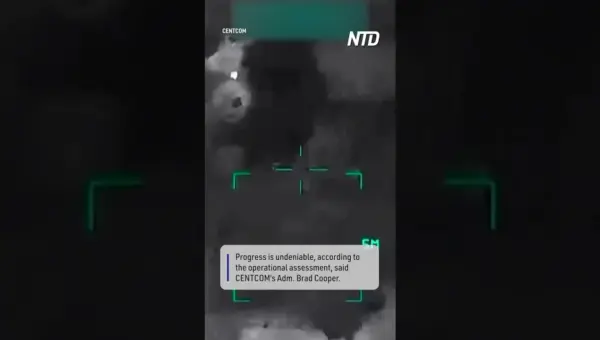
US Strikes Iran: Escalation Fuels 5th Week of Conflict
The U.S. Central Command released video footage of airstrikes targeting Iran, marking the fifth week of conflict. This action underscores the ongoing military engagement and highlights the complex, long-standing tensions between the two nations. The release of combat footage serves strategic communication purposes in modern warfare.
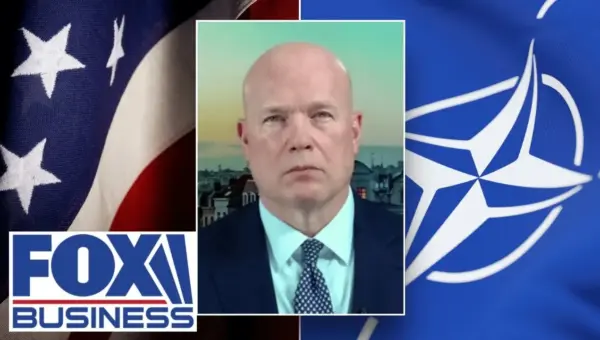
US Urges Allies to Secure Oil Routes, Rethinks NATO Role
The U.S. is shifting responsibility for securing the Strait of Hormuz oil passage to allied nations heavily reliant on the trade. Ambassador to NATO Matthew Whitaker emphasized that while the U.S. has achieved energy independence, allies must now step up. The future of the NATO alliance is also under review, with the U.S. seeking a more balanced partnership.

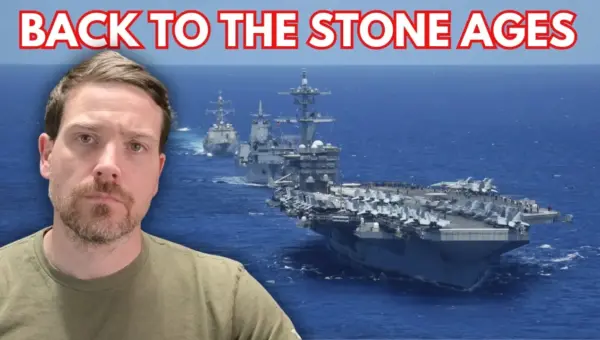
US Escalates Middle East Conflict Toward Total War
The U.S. is increasingly targeting civilian infrastructure in Iran, a move that signals a dangerous shift towards 'total war.' This approach blurs the lines between military and civilian targets, echoing historical conflicts with devastating consequences. The long-term implications for regional stability and ethical warfare are significant.