Markets Brace for Extended Downturn as Rate Fears Rise
Stock markets are facing significant pressure, with the S&P 500 and Nasdaq in extended losing streaks. Rising oil prices due to geopolitical tensions and persistent inflation fears are fueling concerns about a prolonged downturn, potentially signaling the start of a bear market. Analysts warn that interest rates could continue to climb, impacting borrowing costs and economic growth.

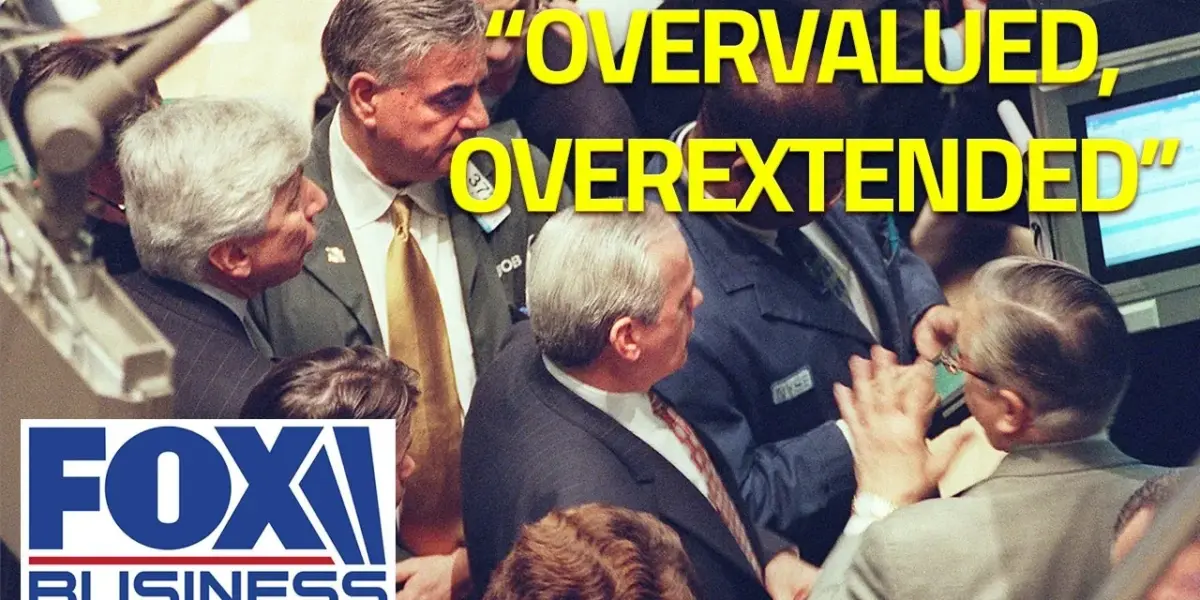
Markets Face Headwinds Amidst Geopolitical Tensions and Inflation Worries
Stock markets are showing significant weakness, with major indices like the S&P 500 and Nasdaq heading towards their fifth consecutive week of losses. This marks the longest losing streak for the S&P 500 in almost four years, signaling investor caution. The Nasdaq has fallen into correction territory, defined as a drop of more than 10% from its recent highs. This broad market decline is concerning, with approximately 70% of stocks trading below their short-term moving averages and about 60% below their long-term moving averages. Market breadth, a measure of how many stocks are participating in a move, is also poor, with only about 50 new highs compared to nearly 200 new lows recently.
Tech Stocks Lead the Decline
Technology stocks, which have been major winners in recent years, are now leading the market lower. Companies like Adobe have hit new 52-week lows. This trend suggests that the market is not in a bull run, and many investors are wary of buying stocks that are rapidly falling, a situation often referred to as trying to catch a “falling knife.”
Inflation and Interest Rates: The Unsung Fear
Beyond geopolitical events, a primary concern for the market is the persistent threat of inflation and rising interest rates. The yield on the 30-year Treasury bond, a key indicator of long-term borrowing costs, has climbed from around 4.6% a few months ago to nearly 5%. Analysts warn that this trend could signal a long-term bull market for interest rates, potentially pushing yields to 6% or even 7% in the future. This would make borrowing more expensive for businesses and consumers, potentially slowing economic growth.
Geopolitical Tensions Escalate, Oil Prices Surge
Adding to market anxieties, tensions in Iran have escalated. Crude oil prices have surged, hitting a session high of $97.30 per barrel. This rise in oil prices can increase costs for businesses and consumers, further fueling inflation concerns. While diplomatic efforts are underway, the market appears skeptical about a swift resolution. A recent 10-day pause in negotiations has not significantly boosted market confidence, as investors anticipate the discussions could drag on. The lack of clear progress and the continued “red lines” held by negotiating parties suggest that a compromise might not be reached until the very end of the extended deadline.
Expert Opinions Diverge on Market Outlook
While some market commentators expect a significant bounce back once geopolitical issues are resolved, others are more pessimistic. Anthony Esposito, CEO of Ascalon 6 Capital, believes the market’s weakness began in December and January, before the recent geopolitical events. He suggests that the current situation is not just a temporary dip but the beginning of a potential bear market. Esposito’s firm, using a technical-based model, has accurately predicted market downturns and has managed well through the current volatility. He points to concerns in the bond market, private credit, and consumer credit as underlying issues that are starting to surface.
Historical Valuation Signals Concern
Esposito also highlighted historical valuation metrics, specifically the cyclically adjusted price-to-earnings (CAPE) ratio. He noted that the only times in the last 150 years when the CAPE ratio has been as high as it is now were in 1999-2000 and are projected to be in 2025-2026. This suggests that the market may have been overvalued and overextended, with underlying issues that are yet to be fully addressed.
Market Impact and Investor Considerations
What Investors Should Know:
- Extended Downturn Possible: The confluence of rising interest rates, geopolitical instability, and potentially overvalued stocks suggests that the current market downturn could be more prolonged than a typical short-term correction.
- Inflationary Pressures: Higher oil prices and persistent inflation could continue to pressure corporate profits and consumer spending.
- Interest Rate Sensitivity: Investors should be mindful of how rising interest rates impact different sectors. Companies with high debt levels or those reliant on consumer borrowing may face increased challenges.
- Diversification is Key: In uncertain times, maintaining a diversified portfolio across different asset classes and sectors can help mitigate risk.
The market is currently grappling with multiple complex factors. The ongoing geopolitical situation in Iran, coupled with concerns about inflation and rising interest rates, is creating a challenging environment for investors. While some anticipate a quick recovery, evidence suggests that a more extended period of market adjustment may be underway. The coming weeks will be crucial in determining whether the market can find a stable footing or if further declines are in store.
Source: This 1999 market signal returns, Iran tension escalates and oil hits $97 | Sunday Prep (YouTube)

Related Articles


US Consumers Face Historic Financial Misery: Expert Warns
American consumer sentiment has fallen to near historic lows, driven by soaring gas prices and lingering supply chain woes. Professor Justin Wolfer warns that the current economic mood is one of the worst in post-war U.S. history. Compounding these issues are disruptions caused by the longest-ever government shutdown, impacting sectors like air travel.


US Considers Ground Troops as Iran Conflict Intensifies
Middle East powers convene in Pakistan for peace talks as the month-long war intensifies. The US is reportedly considering ground troops amid escalating strikes on Iran, while experts caution against air power's political pitfalls and highlight the risks of a prolonged conflict.


US Faces Global Trade Shift as Auto Jobs Flee
The US is losing its global edge in auto manufacturing as jobs move to Europe, a shift overshadowed by internal culture wars and fears of foreign billionaires. Critics argue this distraction prevents Americans from addressing real economic decline and rising costs, while allies reassess their ties to a nation perceived as increasingly divided and economically vulnerable.