Market Rebounds on Short Covering Amidst Lingering Risks
Equity markets saw a significant rebound today fueled by aggressive short covering and easing geopolitical concerns. While heavily shorted stocks led the charge, analysts caution that underlying risks in private credit and widening credit spreads suggest the bounce may be tactical rather than a sign of a sustained recovery.

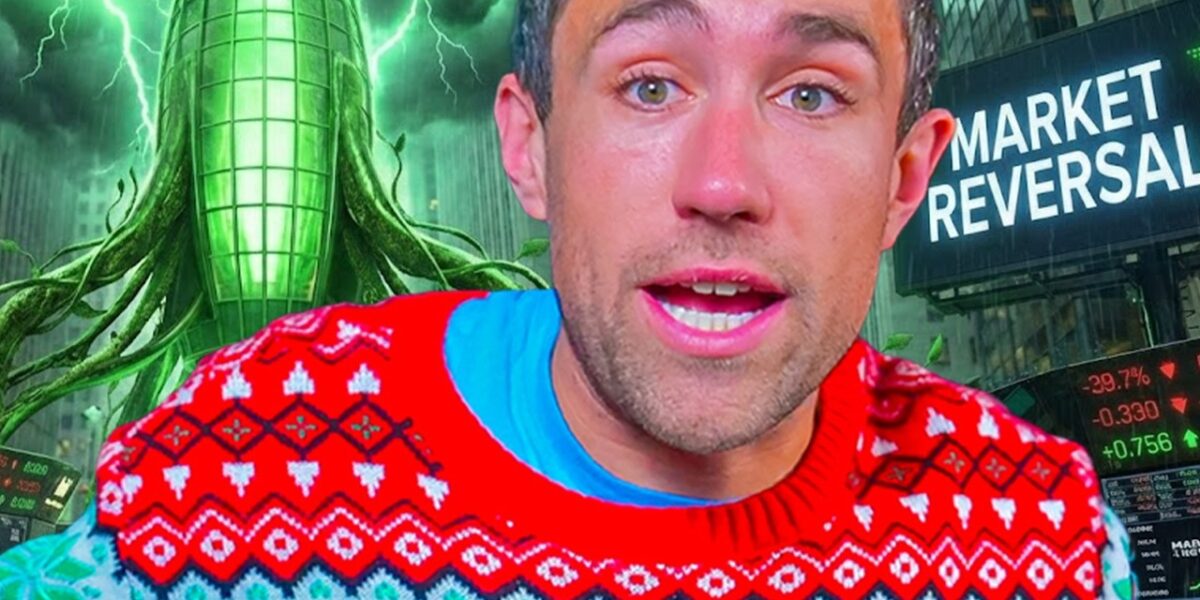
Market Stages Tactical Bounce as Short Sellers Cover Positions
The equity markets experienced a significant upward surge today, driven primarily by aggressive short covering and a reduction in perceived geopolitical risk. This rally saw key indices and heavily shorted stocks post substantial gains, leading many to question the sustainability of the move and the underlying health of the market. While the immediate relief was palpable, underlying concerns regarding private credit and broader market risk persist.
Key Market Drivers: Extreme Pessimism and Easing Geopolitical Tensions
Data from the past week painted a picture of extreme bearish sentiment. The 5-day average put-to-call ratio, a measure of how many investors are betting on a market decline versus an increase, reached one of the highest levels seen in the past year. This indicates a significant number of market participants were positioned for further downside, holding substantial profits from short positions.
The catalyst for today’s reversal appears to have been a combination of factors. Firstly, the extreme level of bearishness itself created a fertile ground for a short squeeze. With approximately $24 billion in short seller profits noted just two days prior, a lack of negative catalysts prompted these investors to cover their positions, driving prices higher.
Secondly, easing geopolitical tensions, particularly regarding talks between Iran and the United States, provided a much-needed dose of optimism. Reports of “good progress” on discussions, even without a resolution on nuclear enrichment plans, were enough to alleviate immediate fears that had been weighing on the market.
Exhibit Alpha: Heavily Shorted Stocks Lead the Charge
The short covering rally was particularly evident in highly shorted stocks, which the analysis dubs “exhibit alpha.” Companies like Coinbase and Robinhood saw gains of approximately 13-14% on the day. MicroStrategy, a frequently targeted stock due to its significant Bitcoin holdings, surged by around 26%.
Tactical Trading and Target Hits
For short-term traders, the day presented an opportunity. Going into the session, the analysis suggested a 75% probability of an upward bounce, with specific tactical targets set for key stocks and indices. The QQQ ETF was eyed for a move to 607, Tesla to 414, Nvidia to 180, and Robinhood (HOOD) to 81.25. These targets were largely met, with the QQQ hitting 607, Tesla reaching 414, Nvidia exceeding expectations by moving from 175 to 185, and Robinhood rallying from a pre-market 77 to an intraday high of 84.
The analysis highlighted the importance of key support levels, such as 595 on the QQQ, which had been tested multiple times and held firm, suggesting a structural floor for the market in the short term.
The Japanese Carry Trade and Market Deleveraging
Beyond short covering, the market’s movements are also being influenced by the unwinding of the Japanese carry trade. This strategy, often employed by hedge funds, involves borrowing in low-interest-rate currencies (like the Japanese Yen) to invest in higher-yielding assets elsewhere. As Japanese bond yields have risen and U.S. yields have trended downwards, the attractiveness of this trade has diminished, prompting deleveraging.
Evidence suggests a correlation between the decline in the Bitcoin-to-USD ratio and the software ETF (IGV), which is interpreted as a potential sign of this carry trade unwind. U.S. hedge funds, with significant exposure to software stocks, are likely reducing these positions and simultaneously paying back Japanese debt.
Lingering Risks: Private Credit and Spreads
Despite the positive short-term action, the analysis cautions that long-term deleveraging and diversification issues remain. The data indicates an increase in market risk, with investment grade spreads and Business Development Company (BDC) spreads reaching their highest levels since mid-2023. These widening spreads suggest increased concern about credit quality and a greater demand for compensation for risk-taking in the credit markets.
Private credit, in particular, is cited as a persistent concern. While some entities like Blue Owl saw a modest gain of 7% today, the stock remains significantly down from its highs, reflecting ongoing stress in this sector. The issues surrounding private credit are described as “still a real issue” that the short-term bounce does not negate.
What Investors Should Know
- Short-Term Bounce: Today’s rally was largely a tactical move driven by short covering and reduced geopolitical fears.
- Structural Support: The hold at the 595 level on the QQQ suggests a near-term structural floor.
- Volatility Expected: The significant move in small-cap stocks (up 3.6% vs. S&P 500 up ~2%) indicates a potential return to risk-on sentiment, but likely accompanied by continued volatility.
- Upcoming Catalysts: Key upcoming events include the delayed jobs data on Wednesday and potential decisions on tariffs, which could introduce new market drivers.
- Long-Term Concerns Remain: Issues in private credit and widening credit spreads signal that underlying risks are not resolved and could resurface.
- Valuation Opportunities: Despite risks, some individual stocks, such as Circle (with a PEG ratio of 0.77), Roblox (2.05), and Meta (1.28), are trading at historically low valuations, presenting potential opportunities for long-term investors not concerned about a recession. However, caution is advised for hardware sectors like Nvidia if projected growth rates are not met.
Conclusion: A Tactical Reprieve, Not a Full Recovery
The market experienced a welcome tactical bounce today, offering a reprieve from recent declines. The key support levels held, and short sellers were forced to cover, driving prices higher. However, the underlying issues of private credit deleveraging and increasing risk premiums in credit markets have not disappeared. Investors should view today’s move as a short-term tactical event rather than a definitive end to market headwinds. The coming days, with crucial economic data releases and policy decisions on the horizon, will be critical in determining the next phase of market direction.
Source: THIS WON'T LAST (YouTube)

Related Articles

Trump: Iran Strikes Ahead of Schedule, Expects ‘Great Deal for World’
Three U.S. service members have been killed amid escalating conflict with Iran, President Trump confirmed. He stated that strikes are ahead of schedule, with senior Iranian leaders killed, and expressed optimism for a "great deal for the world" despite ongoing talks with Iranian officials.

Trump’s Putin Stance: US Strategy and Global Implications
Analysis suggests Donald Trump's approach to the Ukraine war involves pressuring Kyiv, but US involvement is crucial for resolution. China's influence and the 'MAGA' agenda's geopolitical implications are key factors.

US Strikes Iran: Mounk and Fukuyama Discuss Unpredictable Conflict
Leading political scientists Yascha Mounk and Francis Fukuyama analyze the recent US strikes on Iran, warning of unpredictable outcomes and internal instability. They question the objectives of the "war of choice" and its potential to destabilize the region, while also discussing the shifting global perceptions of Israel.