Mark Cuban Urges Students to Embrace AI for Learning and Innovation
Mark Cuban is urging students to view AI as a powerful learning tool, not a shortcut, amidst rising concerns about its use in schools. Pew research indicates over half of teens use AI for homework, sparking debates on cheating and the future of work. Cuban believes adaptation and learning to work alongside AI will lead to a net gain in opportunities.

Cuban Advocates AI as a Learning Accelerator for Students
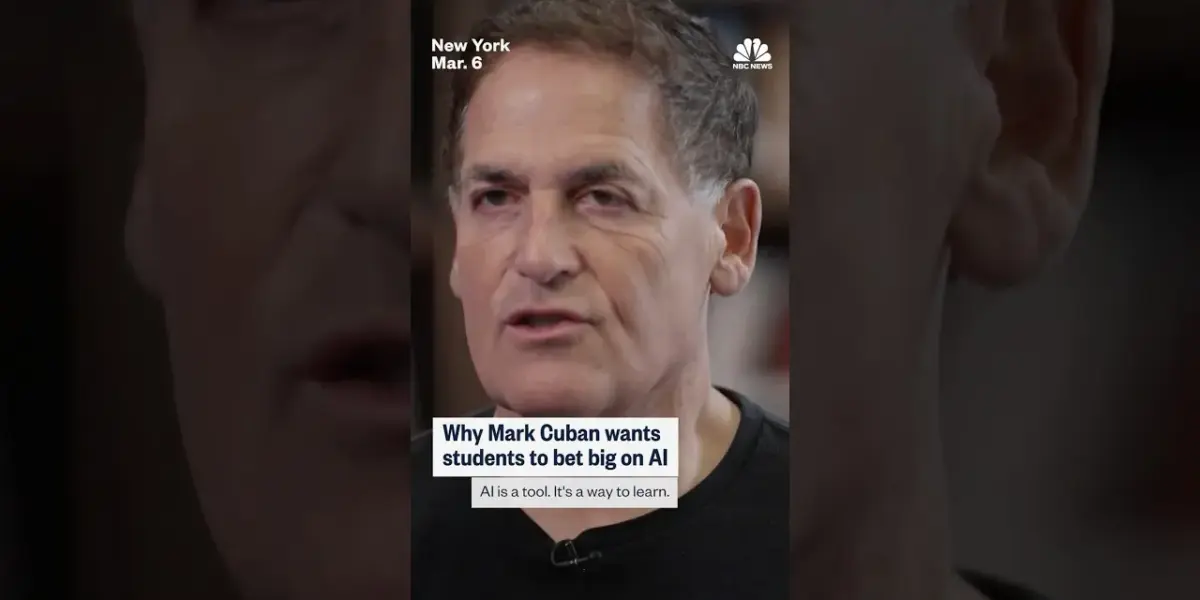
Billionaire entrepreneur Mark Cuban is championing artificial intelligence not as a shortcut, but as a powerful tool for enhanced learning and innovation among students. Speaking at an AI pep rally for students at a New York City high school, Cuban emphasized that AI represents a “democratization of knowledge” and urged young people to leverage it to “learn everything.” This comes amid growing concerns and evolving policies in educational institutions nationwide regarding the use of AI in academic settings.
Teen Use of AI Surges, Sparking Debate on Cheating and Learning
New research from the Pew Research Center reveals a significant trend: over half of U.S. teenagers report using AI chatbots for schoolwork. The same study indicates a widespread perception among students that their peers are using these tools for cheating, at least occasionally. This surge in AI adoption among adolescents is prompting schools across the country to grapple with how to integrate this technology responsibly into the classroom, balancing its potential educational benefits with the risks of academic dishonesty.
Schools and Businesses Prepare the Future Workforce for AI Integration
Educational institutions, governments, and major corporations like Samsung are actively exploring strategies to train the next generation of workers for an AI-driven future. The event at the New York City high school, featuring entrepreneurs Mark Cuban and Emma Green, aimed to inspire students to think creatively about how AI can augment their aspirations. “Take what it is that you’re thinking about, what you’re dreaming about, and then think about how you can layer AI on top of it to make it even better,” Green advised the students, highlighting AI’s potential as a creative partner.
“AI is a tool. It’s a way to learn. It’s a democratization of knowledge.” – Mark Cuban
Navigating Job Market Disruption and the Future of Work
The integration of AI into the economy is raising significant questions about its impact on the job market, particularly for entry-level positions. Multiple studies suggest that these roles are among the most vulnerable to automation. This has fueled a broader societal discussion about preparedness and adaptation. “That’s such a big discussion now. What are we going to do? Cuz AI is taking over. Oh my gosh, you have to be prepared,” one participant noted, reflecting a common sentiment of concern and the necessity of proactive adaptation.
Cuban’s Perspective: Adaptation Over Fear
When questioned about his concerns regarding AI’s potential to displace jobs, especially for young people, Cuban acknowledged the reality of job displacement but expressed optimism about the long-term economic outlook. “Am I worried it’s going to take jobs? Yes. But do I think there’ll be a net gain?” he posed, suggesting a belief in the creation of new opportunities and roles that will emerge as AI technology matures and integrates further into various industries. His emphasis is on learning to “work alongside it,” rather than viewing AI as an insurmountable threat.
The Dual Nature of AI: Learning Aid or Cheating Tool?
The core of the debate surrounding AI in education hinges on its dual nature. For some, AI offers an unprecedented opportunity to deepen understanding and accelerate learning, providing personalized assistance and access to vast amounts of information. For others, the temptation to use AI as a crutch, bypassing the learning process entirely, poses a significant challenge. This dichotomy was evident in the high school event, where the potential for AI to revolutionize education was celebrated, while the underlying anxieties about its misuse loomed.
Moving Forward: Education and Industry Collaboration
As schools and businesses continue to adapt to the rapid advancements in AI, the focus is shifting towards developing curricula and training programs that equip students with the skills to thrive in an AI-augmented world. The conversation is evolving from simply banning AI tools to understanding how to integrate them effectively and ethically. The challenge lies in fostering an environment where AI is seen as a collaborator that enhances human potential, rather than a replacement for human effort and critical thinking.
What’s Next in the AI Education Landscape?
The coming months will be crucial in observing how educational policies solidify and how schools implement AI literacy programs. The ongoing dialogue between educators, policymakers, students, and industry leaders will shape the future of learning and work. The key will be to strike a balance that harnesses AI’s transformative power for educational advancement while mitigating its potential downsides and ensuring that students are prepared for a future where collaboration with intelligent machines is the norm.
Source: Why Mark Cuban wants students to bet big on AI (YouTube)

Related Articles


Ex-OpenAI Researcher Launches Auto-Researcher AI
Andrej Karpathy, an influential ex-OpenAI and Tesla researcher, has launched an open-source AI tool designed for autonomous machine learning research. The 'auto-researcher' aims to enable AI systems to improve themselves, sparking discussions about accelerating AI development and the potential for an 'intelligence explosion.'


AI Powers Military Strikes: Accuracy and Ethical Alarms Sounded
Artificial intelligence is significantly enhancing military targeting accuracy, but raises serious ethical concerns, particularly regarding potential misidentification of civilian sites. Tech companies are grappling with their role in developing AI for warfare, while experts warn of an accelerating, potentially uncontrollable, arms race in AI.

AI Cracks Self-Driving Code With Open Reasoning System
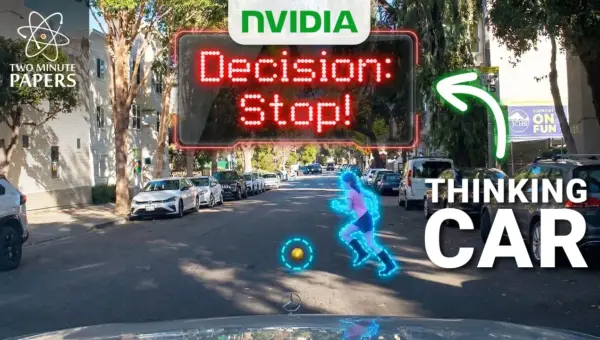
A new open-source reasoning system is revolutionizing self-driving AI by enabling it to explain its decisions. This breakthrough promises enhanced safety, transparency, and the ability to tackle rare driving scenarios, moving beyond opaque 'black box' systems.