Marines Surge: US Ground Forces Mobilize in Middle East
The U.S. is deploying a Marine Expeditionary Unit to the Middle East, marking the first large-scale ground force deployment since the conflict began. The move signals a potential escalation, with analysts outlining scenarios ranging from deterrence to direct support for allies.

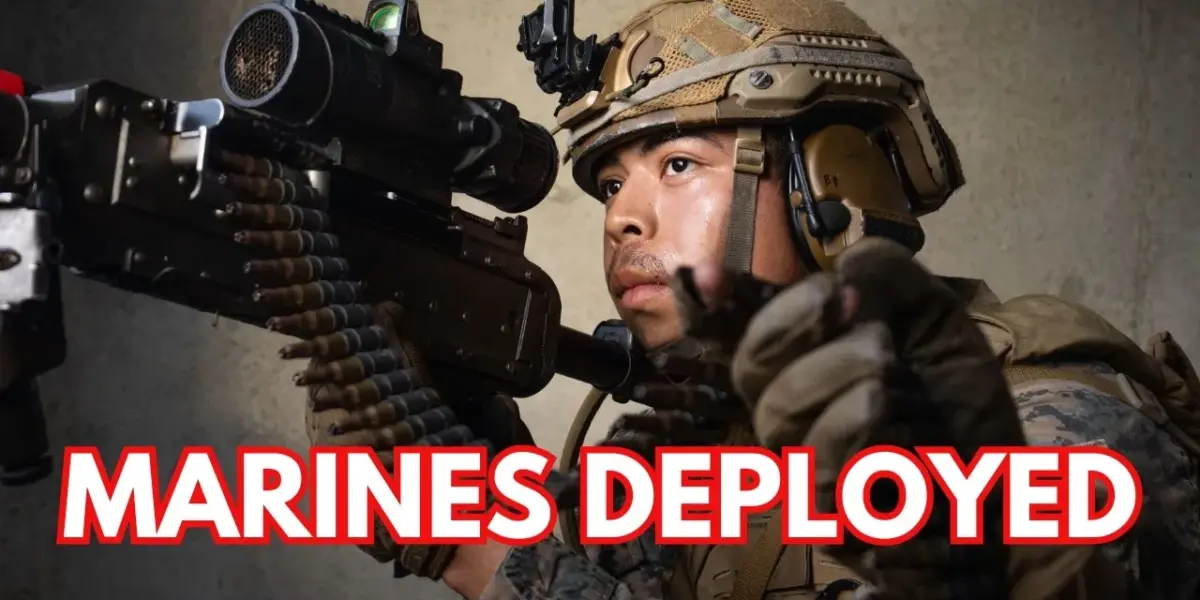
Marines Surge: US Ground Forces Mobilize in Middle East
The United States has initiated a significant deployment of a Marine Expeditionary Unit (MEU) to the Middle East, marking a pivotal escalation in its posture amidst rising regional tensions. This move, the first large-scale deployment of ground forces since the current conflict began, arrives as official rhetoric increasingly entertains the possibility of ground operations, with some senators expressing conviction about potential boots on Iranian soil.
The Deployment Details
According to reports, the Pentagon is dispatching an Amphibious Ready Group (ARG) accompanied by a MEU, typically comprising several warships and approximately 5,000 Marines and sailors. Specifically, the 31st MEU, consisting of about 2,200 Marines, is being deployed alongside the Tripoli ARG. This naval contingent includes the USS Tripoli, USS San Diego, and USS New Orleans, and is reportedly carrying around 20 F-35B Lightning II stealth fighters.
This force is not originating from the continental United States but is being redeployed from the Pacific, specifically through the South China Sea. The journey is estimated to take 10 to 14 days, meaning the Marines will not be in the immediate Middle Eastern theater for another two weeks. This timeframe is crucial, as unlike air or naval assets which can project power from a distance, Marines require physical proximity to execute ground operations.
Four Potential Scenarios
The deployment of ground forces opens up several potential avenues for action or inaction. Analysts have outlined four primary ways this situation could unfold:
- Scenario 1: Nothing Happens. It is entirely possible that the MEU arrives in the region, establishes a presence off the coast of Iran or in its vicinity, and remains as a deterrent or a reserved option without engaging in any direct action. The decision to commit these forces rests with President Trump, and the option to hold them in reserve remains viable.
- Scenario 2: Limited Ground Action on Islands. A more likely, though still speculative, scenario involves the MEU being utilized for operations on specific islands within the Persian Gulf. Islands like Kark, which hosts refineries processing a significant portion of Iran’s oil exports, or Qeshm, have been mentioned. However, the strategic utility of seizing such islands is debatable. While they are economically significant, taking them might not directly resolve issues like the closure of the Strait of Hormuz or prevent Iran from launching attacks from other locations. Furthermore, sustaining and protecting ground forces on these islands against Iranian drone and missile threats presents considerable logistical and security challenges. The relatively small size of the MEU (2,200 Marines) makes large-scale invasion or prolonged occupation highly improbable.
- Scenario 3: Support for Israel Against Hezbollah. A developing, and to some, surprisingly plausible scenario is the deployment of the MEU westward through the Red Sea to assist Israel in its conflict with Hezbollah. The Lebanese militant group has significantly escalated its attacks on northern Israel in recent weeks. Hezbollah, a key Iranian proxy, is considered highly capable. Given the current close alignment between the U.S. and Israel, and the ongoing Israeli operations in southern Lebanon, the deployment of U.S. Marines to support counter-Hezbollah operations, either by landing in Israel or operating offshore Lebanon, is being considered. While Israel might not require direct assistance, the additional firepower could be beneficial, aligning with a broader strategy to dismantle Iranian proxies before any potential direct confrontation with Iran.
- Scenario 4: Reinforcing Regional Bases. The most probable outcome, according to some analyses, is the reinforcement of existing U.S. military bases in the Middle East, particularly in Iraq and Syria. The region has become less stable since the conflict began, leading to the relocation of some U.S. forces. While deployments to Gulf Cooperation Council (GCC) countries like the UAE, Oman, Saudi Arabia, Kuwait, or Bahrain might be complicated by strained relations and a desire to avoid becoming greater targets for Iranian strikes, reinforcing bases in Iraq and Syria is seen as a more feasible option. Such a move could enhance security against Iranian-backed militias and bolster U.S. presence in areas where Iran’s proxies are active. The MEU, after reaching the region, could potentially transition to land bases in these countries, possibly via Israeli ports.
Historical Context and Strategic Implications
The deployment of ground forces signals a potential shift in U.S. strategy from primarily air and naval power to a more comprehensive military posture. Historically, large-scale U.S. ground troop deployments in the Middle East have been contentious and consequential, often leading to prolonged engagements. The current situation echoes debates from previous administrations regarding intervention and the use of force in the region. The decision to move Marines now, amidst increasing rhetoric about ground operations, suggests a heightened level of concern or a deliberate escalation in readiness.
The 10-14 day transit time for the MEU also raises questions about the timing of the initial conflict escalation. It could imply either a proactive reinforcement of anticipated needs or a response to a situation that has developed more rapidly than initially planned, potentially indicating that the U.S. might be entering the conflict with its ground forces not fully in place.
Why This Matters
The deployment of Marines represents a tangible increase in U.S. commitment to the Middle Eastern theater. It moves beyond symbolic naval presence and air power projection, introducing a force capable of direct ground action. This escalates the stakes and increases the potential for direct engagement. The decision-making process surrounding the MEU’s deployment and potential mission set will be indicative of the broader U.S. strategy in the region, influencing regional stability, diplomatic relations, and the trajectory of the ongoing conflict.
Trends and Future Outlook
The current geopolitical climate in the Middle East is characterized by a complex web of state and non-state actors, with Iran and its proxies playing a significant role. The U.S. strategy appears to be evolving, with a potential focus on dismantling these proxies before confronting Iran directly. The deployment of the MEU could be a precursor to further ground force movements, potentially involving other branches of the military, such as the 82nd Airborne Division. The ability to rapidly deploy and integrate such forces could alter the dynamics of potential missions and targets in the region.
The coming weeks will be critical in determining the MEU’s role. Whether they are used for deterrence, limited operations, support roles, or reinforcement, their presence signifies a more direct and potentially prolonged U.S. involvement in the region. The international community will be closely watching for any signs of escalation or shifts in U.S. policy, as the potential for wider conflict remains a significant concern.
Source: Marines DEPLOYED to the Middle East – 4 Ways This Goes (YouTube)

Related Articles

U.S. Iran Tensions Rise Amid Shifting Alliances
Rising tensions between the U.S. and Iran are creating a volatile geopolitical situation. With conflicting signals on de-escalation and potential shifts in alliances like NATO and U.S.-Israel relations, the path forward remains uncertain. The global economy and regional stability hang in the balance.


Iran Targets US With Cyberattacks, Escalating Digital Warfare
Iran is increasingly using cyberattacks to challenge the U.S., as seen in a recent hack of the FBI director's account. Experts say this is a strategic shift due to Iran's limitations in conventional warfare. The U.S. needs to strengthen its digital defenses, focusing on encryption and cloud computing, rather than solely relying on traditional security measures.


Iran Hacks FBI Chief, Exposing U.S. Cyber Vulnerabilities
A recent hack of FBI Director Kash Patel's personal email by an Iran-linked group highlights Iran's growing cyber threat to the U.S. Experts explain how simple security oversights are exploited, emphasizing the need for basic defenses like two-factor authentication to protect against propaganda and potential infrastructure attacks.