Marines Surge to Strait of Hormuz Amid Escalation
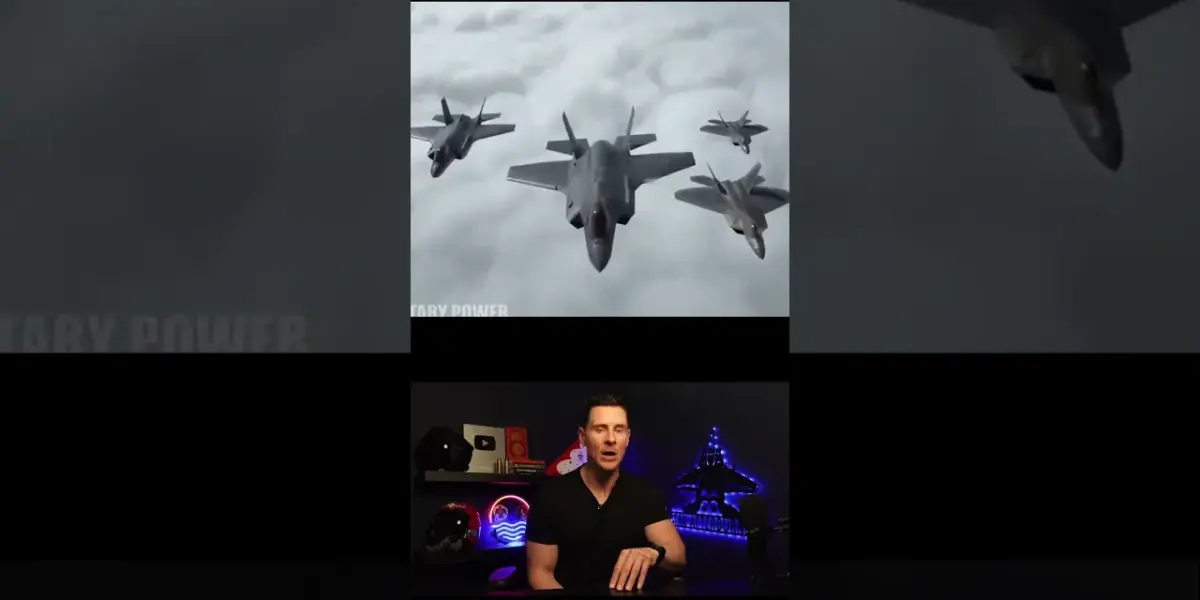
The 31st Marine Expeditionary Unit has arrived in the Middle East with F-35B stealth fighters, signaling a new phase in Operation Epic Fury. Their mission includes securing the Strait of Hormuz and deterring Iranian threats. The deployment emphasizes the critical need for air superiority before committing ground forces.

Marines Surge to Strait of Hormuz Amid Escalation
The U.S. military has deployed the 31st Marine Expeditionary Unit (MEU) to the Middle East, marking a significant escalation in the ongoing Operation Epic Fury. This deployment, now on its 30th day, brings advanced capabilities, including F-35B Lightning stealth fighters, to the volatile region. The stated goal is to counter threats from Iran and its proxy forces.
Regional Tensions Rise
Recent events have heightened concerns. A Houthi missile attack aimed at Israel was successfully intercepted, preventing potential casualties. However, Iran reportedly struck a U.S. E-3 Sentry Airborne Warning and Control System (AWACS) aircraft. This aircraft, often called a “flying radar station,” was damaged at Prince Sultan Air Base in Saudi Arabia. In response, the United States conducted strikes against Iranian missile launchers, air bases, and suspected nuclear sites.
MEU’s Strategic Role
The arrival of approximately 2,200 Marines, supported by F-35B aircraft and CV-22 Osprey tiltrotor aircraft, signals a new phase of the operation. Their likely mission is to secure the critical Strait of Hormuz. This vital waterway is a major chokepoint for global oil shipments. The MEU’s presence aims to deter further aggression from Iranian-backed groups operating in the area.
Air Superiority a Prerequisite
Military analysts emphasize the importance of air dominance before committing ground forces. The transcript highlights a key concern: preventing Marines from being vulnerable to drone or ballistic missile attacks. Iran has shown a willingness to use such weapons, even against its own territory if it served a strategic purpose against adversaries. Ensuring complete air supremacy is therefore crucial before any amphibious operations or island assaults are considered. This protects against potential catastrophic losses.
Amphibious Dominance as Next Phase
With air power and strategic resolve already asserted, the deployment of the MEU suggests amphibious capabilities will be central to future actions. This signifies a shift towards projecting power directly from the sea. The presence of these Marines and their advanced aircraft is intended to demonstrate overwhelming force. It serves as a direct challenge to the naval capabilities of Iran’s Islamic Revolutionary Guard Corps (IRGC).
Strategic Implications
The deployment of the 31st MEU represents a significant increase in U.S. military posture in the region. The Strait of Hormuz is a critical global energy artery. Any disruption there could have severe economic consequences worldwide. By deploying an expeditionary force with advanced air and amphibious capabilities, the U.S. is signaling its readiness to protect its interests and maintain freedom of navigation. This move also aims to deter Iran from further escalating its actions through proxy forces, which have been a persistent source of instability.
Historical Context
Naval power projection and the securing of vital sea lanes have long been central to military strategy. During World War II, the control of strategic waterways like the Malacca Strait was paramount. Similarly, the U.S. Navy’s presence in the Persian Gulf has historically been a key factor in regional stability. The current deployment echoes these historical precedents, emphasizing the enduring importance of maritime control in geopolitical conflict.
Technological Edge
The F-35B Lightning II is a fifth-generation stealth fighter. Its advanced sensors and low-observable technology allow it to operate undetected in hostile airspace. This provides a significant advantage in gathering intelligence and conducting strikes. The CV-22 Osprey offers unique capabilities, combining the speed of a turboprop airplane with the vertical takeoff and landing of a helicopter. This allows Marines to be inserted and extracted from difficult terrain, enhancing operational flexibility.
Geopolitical Impact
This increased U.S. military presence could influence regional diplomacy. It may pressure Iran to de-escalate its aggressive actions. However, it also risks further inflaming tensions with Tehran and its allies. The deployment underscores the complex geopolitical dynamics at play in the Middle East, where the balance of power is constantly being tested.
Source: You WON'T BELIEVE What U.S. Marines Are About To Do To Iran (YouTube)

Related Articles


Trump Eyes Iran Invasion as Fox Pushes for War
Reports indicate the Pentagon is preparing for ground operations in Iran, potentially deploying thousands of U.S. troops. Simultaneously, some Fox News hosts are actively advocating for military intervention, focusing on Iran's uranium program. This situation raises serious questions about the path to conflict and the media's role in shaping public opinion.


US Escalates Iran Tensions: Troops Deploy, Markets Reel
The U.S. is increasing its military presence in the Middle East amid escalating tensions with Iran, leading to a surge in oil prices and market instability. President Trump is considering sending more troops as diplomatic talks remain uncertain. Meanwhile, a funding dispute over the Department of Homeland Security continues, impacting federal workers and airport security.
US Overreaches in Iran Standoff, Experts Warn
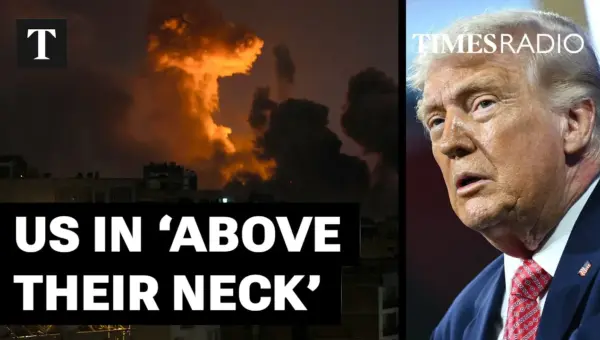
U.S. military experts warn President Trump has overextended American capabilities in the escalating standoff with Iran. With significant troop deployments and Iranian threats, the situation is precarious. Experts call for a clear strategy and a diplomatic "off-ramp" to avoid wider conflict.