Marines Deploy F-35s to Counter Iran Threats
The U.S. Marines have deployed the 31st Marine Expeditionary Unit, featuring advanced F-35B fighter jets, to the Middle East amid escalating threats from Iran. This strategic move aims to counter Iranian aggression, protect vital shipping lanes, and project power in the Persian Gulf.

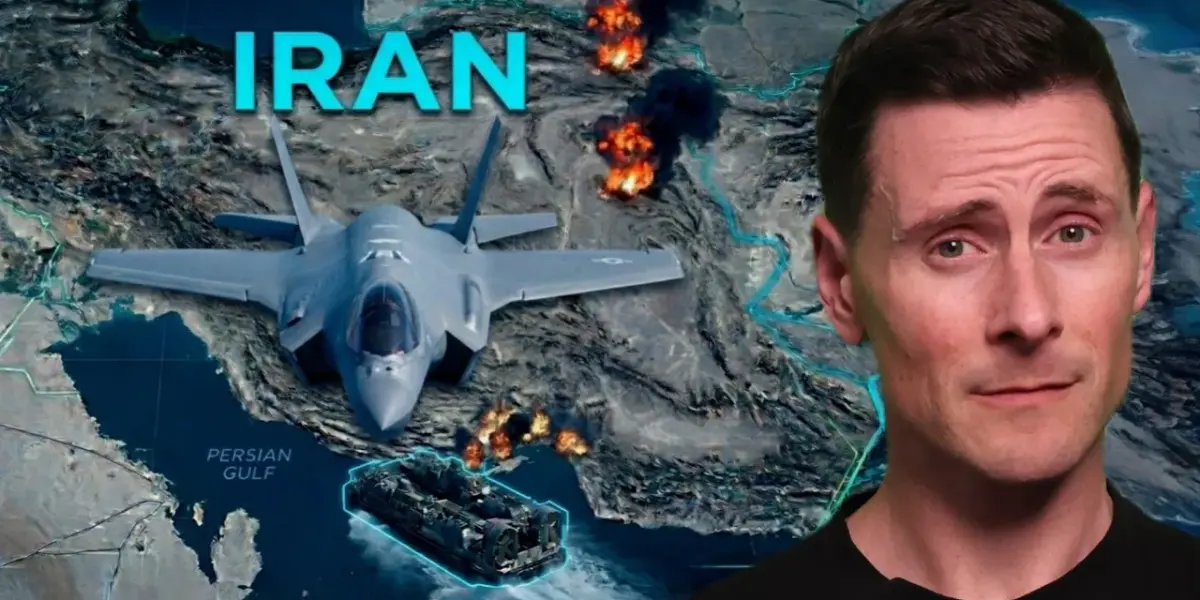
Marines Deploy F-35s to Counter Iran Threats
The U.S. Marine Corps has significantly boosted its presence in the Middle East with the arrival of the 31st Marine Expeditionary Unit (MEU). This unit is now operating aboard the USS Tripoli amphibious ready group. The deployment includes advanced F-35B Lightning II fighter jets, also known as the Panther. This move marks a key development in Operation Epic Fury, now in its second month.
Iran Issues New Threats Amidst Marine Buildup
The arrival of these advanced Marine capabilities coincides with escalating threats from Iran’s Islamic Revolutionary Guard Corps (IRGC). The IRGC has warned that American and Israeli universities in the region are now considered legitimate targets. This is reportedly in retaliation for alleged strikes on Iranian academic institutions. The IRGC spokesman claimed that Iranian forces are prepared to confront American troops on the ground and punish regional partners. The country’s parliamentary speaker, Muhammad Ba Kalaf, added that Iran’s missiles are in place and their determination has increased.
Iran has also issued an ultimatum, demanding the U.S. officially condemn the university bombings by noon on March 30th. Failure to comply, Iran warns, will result in strikes on universities affiliated with the U.S. and Israel. Students and staff have been advised to evacuate campuses within one kilometer of these potential targets.
Strategic Significance of the 31st MEU Deployment
The 31st MEU brings a formidable array of assets, including the F-35B fighters, transport aircraft, amphibious assault vehicles, and other tactical tools. These capabilities allow for rapid power projection across the Persian Gulf. The F-35B Lightning II is designed for close air support and precision strikes. Its integration with Marine Recon and Raider units aims to protect freedom of navigation, particularly through the vital Strait of Hormuz.
The deployment underscores America’s ability to rapidly surge combat-ready forces from the Indo-Pacific to the Middle East. The 31st MEU consists of approximately 2,200 Marines and 3,500 sailors. Their presence bolsters the roughly 50,000 U.S. troops already in the region. The MEU’s capabilities include amphibious assault power, rapid raid forces, maritime security, and crisis response expertise. Marine Recon units are specifically noted for their skills in operating in amphibious and underwater environments.
Concerns Regarding Island Basing and Air Supremacy
A key concern raised is the strategic wisdom of basing Marines on islands, such as K Island, without complete air supremacy. The argument is that such positions could turn the forces into sitting ducks for Iranian drones and ballistic missiles. While the U.S. currently holds air superiority in many operational areas, the persistent threat from drones and missiles remains. Operating amphibiously from naval assets like the USS Tripoli is considered a more flexible and less predictable approach.
The IRGC, known for its expertise in crafting improvised explosive devices (IEDs), could exploit a static ground force. A large ground assault force could become a target, creating chaos and potentially shifting public sentiment against military operations in the region. This would represent a significant propaganda victory for Iran.
Iranian Capabilities and U.S. Response
Evidence suggests Iran retains the ability to strike U.S. forces. An E-3 Sentry Airborne Warning and Control System (AWACS) aircraft was reportedly struck by a drone or ballistic missile at Prince Sultan Air Base, breaking in half and wounding 15 U.S. service members. Additionally, Iran-backed Houthis launched their first missile barges at Israel on March 28th, an act of solidarity with Iran, which were intercepted by Israeli defenses.
In response, American and Israeli forces have conducted targeted strikes across Iran. These strikes have degraded Iran’s missile launchers, air bases, and nuclear-related infrastructure. The Pentagon and Washington appear focused on diminishing Iran’s military operational capacity, with a particular emphasis on the Strait of Hormuz. Diplomatic off-ramps are also being offered, contingent on Iran dismantling its nuclear program and ending proxy wars.
F-35B’s Role and Strategic Implications
The F-35B Lightning II is highlighted as a critical platform in this operation. Its advanced avionics and radar systems, like the APG-82, allow it to share real-time targeting information with other assets. This capability is crucial for detecting and engaging incoming drones and missiles. The F-35B can provide air cover for amphibious landings, deter threats, and conduct surgical strikes. Its presence is intended to secure key maritime choke points and neutralize Iranian naval threats.
The F-35B’s integration with the 31st MEU’s approximately 2,200 Marines and their amphibious assault vehicles is seen as a potent combination. The aircraft can support raids, neutralize command and control sites, and conduct operations against specific choke points. This approach emphasizes surgical strikes rather than occupying territory, especially given the ongoing drone and missile threat.
Broader Geopolitical Context and Internal Iranian Dynamics
The military buildup and strikes are part of a broader strategy aimed at forcing Iran towards de-escalation or facing self-destruction. The situation also touches upon potential internal dynamics within Iran. The U.S. has previously indicated uncertainty about who it is negotiating with in Iran, suggesting a possible strategy of supporting specific factions within the regime to facilitate a transition. This approach aims to prevent hardline elements from eliminating potential partners for a future government.
The IRGC’s rhetoric, while heightened, comes as its military infrastructure reportedly crumbles. Iran appears to be focusing on pressure tactics using ballistic missiles, drones, and proxies to distract from negotiations or internal challenges. The regime may view these capabilities as essential for maintaining power, making them reluctant to relinquish them.
Conclusion: A Synergistic Approach to Regional Stability
The deployment of the 31st MEU, particularly with its F-35B capabilities, represents a significant American military commitment. This force is designed for precision, survivability, and rapid response. The synergy between the F-35B, Marine Recon, and the MEU’s ground forces is presented as an unbeatable combination. Their mission includes degrading Iranian military sites and proxies, while carefully avoiding positions vulnerable to Iranian missile and drone attacks. The ultimate goal is to secure freedom of navigation, tilt the regional power balance, and potentially encourage internal shifts within Iran’s leadership.
Source: U.S. Marines Are About to UNLEASH HELL On Iran (YouTube)

Related Articles


US Bombs Iran: Leaders Killed, Invasion Looms
The United States has launched powerful bombings against Iran, destroying key military targets and reportedly killing six senior leaders. With B-52 bombers involved and US ground troops moving into the region, a ground invasion appears imminent, signaling a dramatic escalation.


Trump Eyes Iran Invasion as Fox Pushes for War
Reports indicate the Pentagon is preparing for ground operations in Iran, potentially deploying thousands of U.S. troops. Simultaneously, some Fox News hosts are actively advocating for military intervention, focusing on Iran's uranium program. This situation raises serious questions about the path to conflict and the media's role in shaping public opinion.


US Escalates Iran Tensions: Troops Deploy, Markets Reel
The U.S. is increasing its military presence in the Middle East amid escalating tensions with Iran, leading to a surge in oil prices and market instability. President Trump is considering sending more troops as diplomatic talks remain uncertain. Meanwhile, a funding dispute over the Department of Homeland Security continues, impacting federal workers and airport security.