Marines Deploy as US Escalates Iran Conflict
Thousands of U.S. Marines are deploying to the Middle East amid escalating conflict with Iran, marked by intensified airstrikes and a naval incident. The move signals a potential shift towards ground operations and aims to secure the vital Strait of Hormuz.

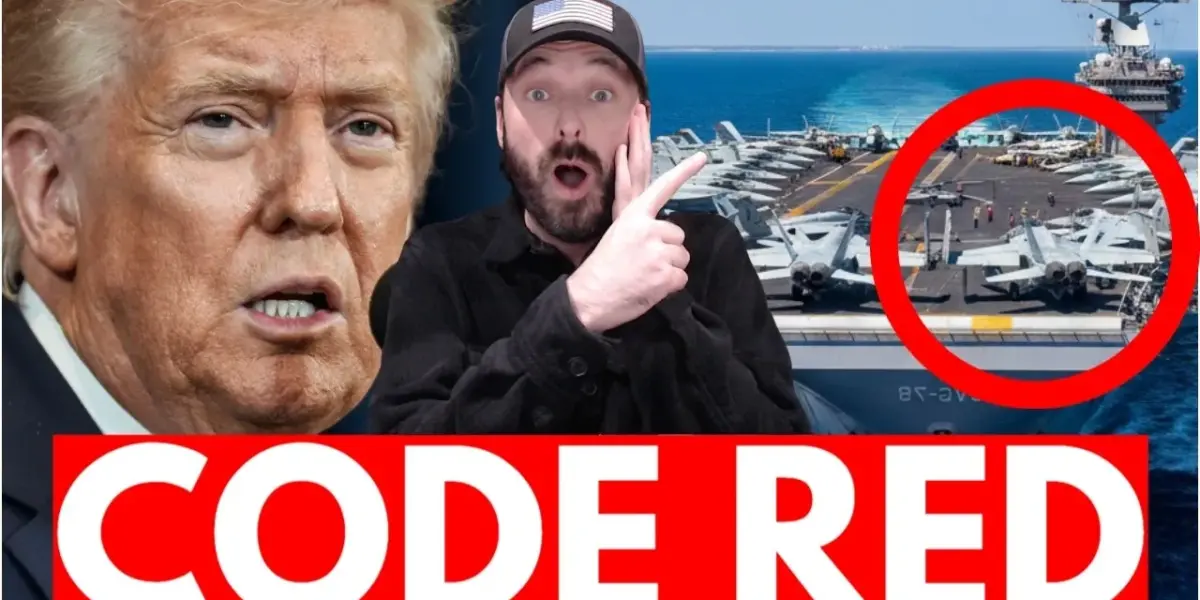
US Sends Marines to Middle East Amidst Escalating Iran Tensions
In a significant development on March 13th, reports indicate that thousands of United States Marines are being deployed to the Middle East, signaling a potential escalation in the ongoing conflict with Iran. This move coincides with substantial new footage of airstrikes targeting Iranian positions and an incident where an Iranian vessel was reportedly destroyed after approaching a U.S. aircraft carrier.
The Deployment of Expeditionary Forces
According to a report from The Wall Street Journal, the Pentagon has approved the movement of a Marine Expeditionary Unit (MEU) to the Middle East. This unit typically comprises around 2,500 Marines. The decision, approved by Defense Secretary Pete Buttigieg, comes in response to increased Iranian attacks on the Strait of Hormuz, which have disrupted global shipping and the international economy, leading to rising gas prices. The specific mission and intended deployment locations for these Marines remain undisclosed, raising questions about their potential role.
Potential Strategic Objectives
The deployment has spurred speculation about possible ground operations. One frequently discussed scenario involves the potential seizure of Kharg Island, a critical hub for Iran’s oil exports. Controlling this island would give the U.S. significant leverage over Iran’s economy. However, the logistics and potential environmental risks of such an operation, particularly the desire to preserve oil infrastructure for a future Iranian regime, are considerable. The presence of ground troops, even if not directly entering Iran, signifies a heightened state of readiness and a potential shift in U.S. military posture.
Intensified Air Campaign and Incidents
The deployment is accompanied by an intensified air campaign against Iran. Footage released shows wave after wave of bombers and fighter jets conducting strikes, with reports of buildings being destroyed and targets being hit repeatedly. The strikes are described as continuing around the clock, with the stated objective of forcing the Iranian regime to surrender. The report notes that civilian areas in Tehran were seemingly used as a shield by the Iranian regime, with airstrikes occurring near a checkpoint where mourners had gathered, echoing past government actions against protesters.
In a separate but related incident, an Iranian vessel reportedly approached the USS Abraham Lincoln, a U.S. aircraft carrier. Initial attempts by the U.S. to deter the vessel with a 5-inch deck gun were reportedly unsuccessful, missing multiple times. The situation was resolved when an MH-60 Seahawk helicopter launched two Hellfire missiles, destroying the Iranian boat. This event highlights the volatile nature of naval operations in the region.
Official Statements and Strategic Intent
Defense Secretary Pete Buttigieg, in remarks regarding the Strait of Hormuz, emphasized that transit through the strait is open unless Iran interferes. He stated that the U.S. has a plan for all contingencies and is working with interagency partners to ensure the free flow of commercial goods and energy. He asserted that the strait would not be allowed to remain contested or to impede the flow of commerce.
General Dan Kaine, Chairman of the Joint Chiefs of Staff, acknowledged the tactical complexity of the environment in the Strait of Hormuz but assured that efforts are underway to ensure safe and smart operations. He indicated that a solution would be found to reopen the strait, ensure oil and shipping flow, and end Iranian threats.
Tragic Accident Underscores Regional Dangers
Adding to the somber news, the report mentions a tragic accident involving a KC-135 aircraft crash on March 12th. The initial death toll of four was later confirmed to be six, with all individuals on board perishing. While not directly linked to the conflict with Iran, such incidents underscore the inherent risks and the human cost associated with heightened military operations and deployments.
Why This Matters
The deployment of U.S. Marines and the intensified airstrikes signal a significant escalation in tensions between the United States and Iran. The disruption of the Strait of Hormuz, a vital global energy chokepoint, has far-reaching economic implications. The potential for ground operations, however limited, raises the specter of direct conflict and further instability in an already volatile region. The U.S. commitment to reopening the strait, as stated by its top defense officials, suggests a resolve to use military force if necessary, while the incident with the Iranian boat demonstrates the immediate risks of miscalculation and confrontation.
Implications, Trends, and Future Outlook
This escalation could lead to a prolonged period of heightened military activity in the Middle East. The economic impact of disrupted shipping through the Strait of Hormuz will likely continue to be felt globally, potentially affecting energy prices and supply chains. The involvement of ground troops, even in a support or standby capacity, marks a critical threshold. Future outlooks suggest a continued strategic focus on Iran’s maritime activities and its influence in the region. The U.S. appears committed to maintaining freedom of navigation, a stance that will likely be tested further.
Historical Context and Background
Tensions between the U.S. and Iran have a long and complex history, marked by the 1979 revolution, the Iran hostage crisis, and subsequent periods of proxy conflicts and diplomatic standoffs. The Strait of Hormuz has historically been a point of contention, with Iran periodically threatening to disrupt shipping. Previous U.S. military engagements in the region, including operations in Iraq and Afghanistan, have shaped the current geopolitical landscape. The current situation builds upon decades of strategic competition and regional power dynamics.
Source: BREAKING: Ground Troops Deploying For Iran War – Carrier Targeted (YouTube)

Related Articles


G7 Allies Clash Over Iran War Strategy, Urge Focus on Russia
G7 foreign ministers met in Paris, revealing deep divisions over the U.S. war with Iran. European allies urged the U.S. to pressure Russia, linking its actions to the conflict and fearing support for Ukraine will wane.

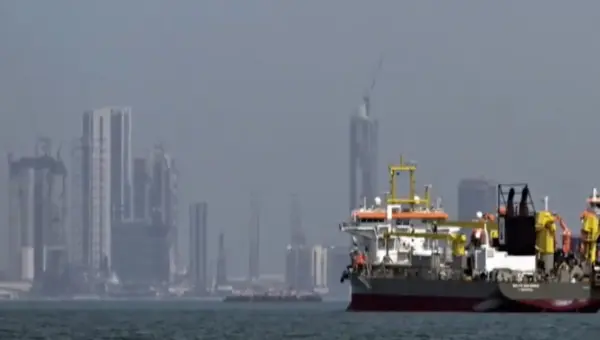
Iran Blocks China Ships, Exposing Beijing’s Weak Grip
Iran's recent decision to block Chinese ships at the Strait of Hormuz is exposing the limits of Beijing's influence in the Middle East. This action is causing delays and cancellations for Chinese manufacturers, turning a perceived geopolitical win into an economic strain.
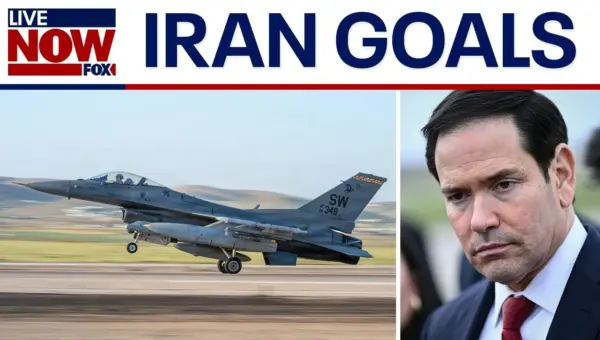
Rubio: US Can Achieve Iran War Goals Without Troops
Senator Marco Rubio outlined a strategy to counter Iran without deploying U.S. ground troops, focusing on weakening the regime and enhancing maritime security. He also criticized Cuba's economic system and expressed concerns about West Bank violence.