Mar-a-Lago Incident: Political Polarization and the Rise of Lone-Actor Violence
An armed man was shot and killed by Secret Service agents at Mar-a-Lago, highlighting concerns about lone-actor violence. Experts link such incidents to political polarization, rising inequality, and the amplifying effects of social media.

Mar-a-Lago Incident: Political Polarization and the Rise of Lone-Actor Violence
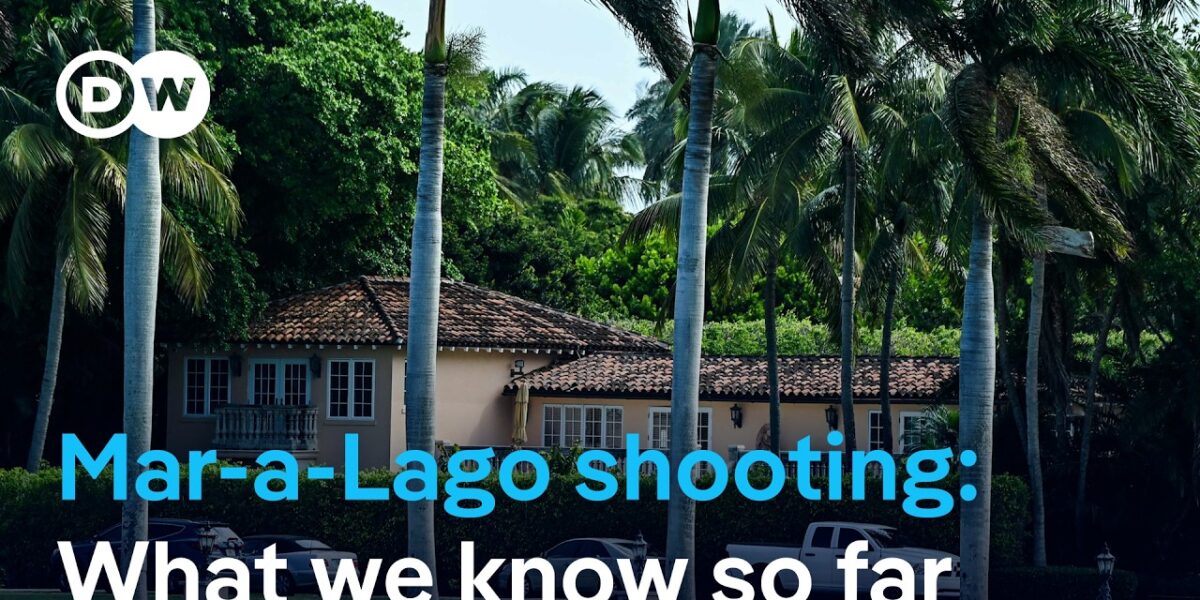
A recent incident at Donald Trump’s Mar-a-Lago estate in Florida, where an armed man was shot and killed by U.S. Secret Service agents, has once again brought to the forefront the concerning issue of lone-actor violence fueled by deep-seated political polarization. While authorities are still piecing together the full details of the event, initial reports and expert analysis suggest a troubling connection to the broader trend of politically motivated extremism.
The Mar-a-Lago Confrontation
The incident occurred early in the morning when security personnel detected an individual who had breached the inner perimeter of the Mar-a-Lago property. According to officials, a deputy and two Secret Service agents responded to the area and confronted a white male in his early twenties. The suspect, who was reportedly missing and from North Carolina, was carrying a gas can and a shotgun. He was ordered to drop his items, but instead, he allegedly raised the shotgun to a shooting position, prompting the agents to fire their weapons, resulting in his death at the scene. Donald Trump was not present at the estate at the time of the incident, as he was in Washington D.C.
Broader Context: A Global Wave of Political Violence
Professor Ari Perlinger, a specialist in political violence from the University of Massachusetts, emphasized that while specific details of the Mar-a-Lago event are still emerging, the initial signs are consistent with attempts to engage in acts of violence against prominent political figures or institutions. He cautioned against viewing such incidents as isolated occurrences, instead framing them as part of a sustained and global wave of political violence that shows no indication of abating.
Professor Perlinger pointed to a series of high-profile incidents in the United States and abroad to illustrate this trend. These include the killing of Charlie Kirk, multiple assassination attempts against Donald Trump himself, and the murders of Minnesota lawmakers Melissa and Mark Ortman. On the international stage, the violence extends to the killings of two Members of Parliament in the UK and the attempted assassination of Slovak Prime Minister Robert Fico. This pattern, according to Perlinger, indicates a widespread and deeply concerning phenomenon that transcends national borders.
The Roots of Lone-Actor Violence: Polarization, Inequality, and Distrust
Delving deeper into the drivers of this escalating violence, Professor Perlinger highlighted a potent combination of factors: profound political polarization, rising economic inequality, and a widespread erosion of trust in political institutions. He noted that the current environment is particularly challenging because there isn’t a single, easily resolvable issue that, if addressed, would alleviate the pressure. Instead, grievances are often diffuse and divisions are increasingly rooted in identity politics, leaving little common ground for opposing sides to find resolution.
This persistent toxic environment, Professor Perlinger explained, can ultimately facilitate and encourage individuals who believe that extreme actions are necessary to advance their political goals. When political discourse becomes increasingly acrimonious and individuals feel their concerns are ignored or actively suppressed, the threshold for resorting to violence can be lowered.
The Role of Political Rhetoric and Social Media
The impact of political rhetoric on fostering an environment conducive to violence is another critical aspect Professor Perlinger addressed. He stated that research clearly indicates that when political leaders employ inflammatory language, demonize their opponents, or pursue policies perceived by a segment of the population as inherently violent, they create a justification for retaliation in the minds of those who oppose them. This dynamic can lead to a dangerous cycle where each side feels licensed to escalate their rhetoric and actions in response to the other.
Social media platforms are identified as significant accelerators of these dynamics. Professor Perlinger elaborated on how extreme rhetoric can spread far more rapidly than any corrective responses. The algorithmic nature of these platforms often creates echo chambers, amplifying the most inflammatory voices and making it exceedingly difficult to de-escalate tensions. This constant exposure to extreme viewpoints and perceived grievances can radicalize individuals and push them towards violent extremism.
The Challenge of De-escalation
The interconnectedness of these factors—political polarization, economic disparity, institutional distrust, inflammatory rhetoric, and the amplification effects of social media—creates a complex and challenging landscape for de-escalation. The diffuse nature of grievances and the identity-based divisions mean that traditional approaches to conflict resolution may prove insufficient. The constant barrage of polarizing content online further entrenches divisions and makes constructive dialogue increasingly difficult.
As the investigation into the Mar-a-Lago incident continues, the broader implications of this trend are undeniable. Understanding the intricate web of factors that contribute to lone-actor violence is crucial for developing effective strategies to counter political extremism and foster a more stable and less violent society. The incident serves as a stark reminder of the urgent need to address the underlying causes of political division and to promote a more responsible and less inflammatory public discourse.
While the specific motivations of the individual involved in the Mar-a-Lago incident remain under investigation, the event underscores a critical moment in contemporary political and social dynamics. The confluence of deep societal divisions and the accessibility of information, often weaponized through inflammatory rhetoric, presents a formidable challenge to maintaining public safety and democratic stability.
Source: Mar-a-Lago shooting: How political polarization fuels lone‑actor violence | DW News (YouTube)

Related Articles
Trump Orders Iran Strike from Mar-a-Lago Amid Nuclear Concerns
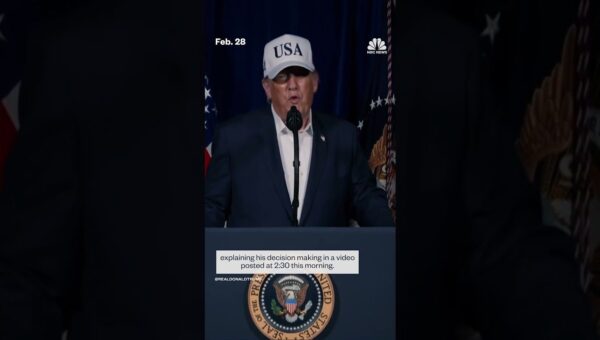
President Trump authorized a military strike against Iran from his Mar-a-Lago residence, citing the nation's nuclear ambitions as an "intolerable risk." The decision, made after extensive coordination with Israel and negotiations with Iran, has sparked a partisan debate in Congress.
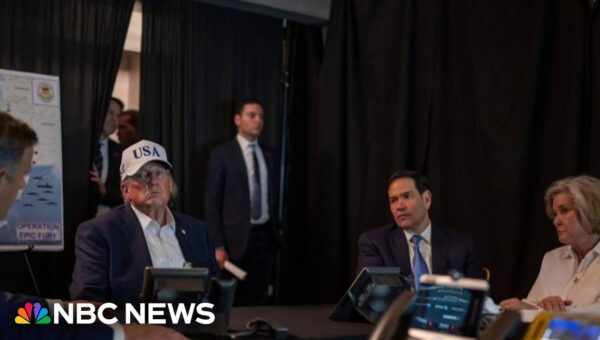
Trump Orders Iran Strike From Mar-a-Lago Amid Nuclear Concerns
President Trump ordered overnight military strikes against Iran from his Mar-a-Lago residence, citing the nation's nuclear ambitions and ballistic missile program as an "intolerable risk." The decision followed weeks of direct negotiations and months of coordination with Israel. Congressional reaction has been sharply divided, with Democrats planning to challenge the President's war powers.

Trump’s Grip Loosens: Analysts See Growing Chaos in US Politics
US politics is increasingly chaotic and polarized, with Donald Trump's popularity declining and his base showing signs of fracturing, particularly in the wake of the Epstein files revelations. International allies are concerned by the mixed signals emanating from Washington, while domestic issues like immigration are sparking a moral awakening among voters.