Maher Challenges Trump: Criticism Isn’t ‘Derangement’
Bill Maher argues that criticizing President Trump is not 'derangement' but a democratic right. He distinguishes between opinion and bias, urging for mature governance. Former Pence aide Mark Short discusses the fear of retribution in Washington and its impact on political discourse.

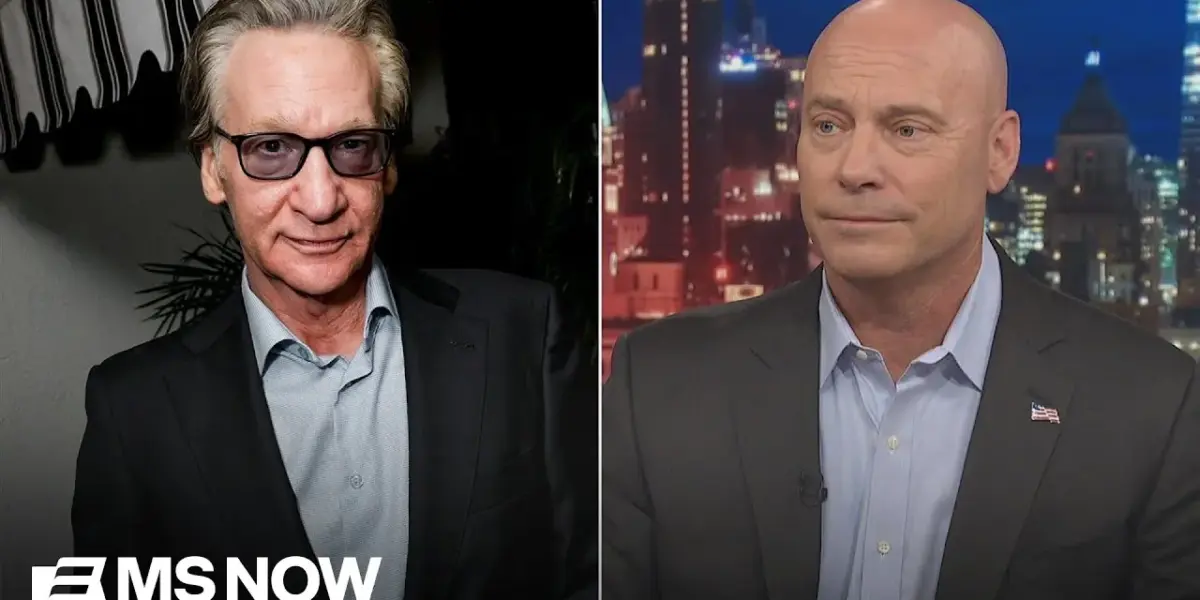
Bill Maher Confronts President Trump on Criticism, Calls for Mature Governance
In a pointed address to President Donald Trump, comedian and television host Bill Maher has challenged the notion that criticism of the president constitutes “Trump Derangement Syndrome.” Speaking on his program, Maher argued that expressing dissent and holding the president accountable are fundamental rights in a democracy, not signs of irrationality. This comes after Maher himself faced backlash for dining with Trump, and later, strong criticism from the president after speaking out against him.
Maher’s Plea for Presidential Success and Democratic Discourse
Maher invoked the sentiment expressed by George W. Bush to Barack Obama on Inauguration Day: “We want you to succeed.” He reiterated this desire for any American president to succeed, acknowledging that credit should be given for accomplishments. However, Maher stressed that in a democracy, individuals have the right to voice their disagreements when presidential actions do not align with their vision of success.
“It’s not derangement for me to be always calling out the election denying obsession you have or the pardons from my friends and punishment for my enemies mode of governing or the side deals for your family that always seemed to be part of everything,” Maher stated, directly addressing the president. He highlighted concerns about the perceived enrichment of the Trump family while the needs of ordinary citizens, using West Virginia as an example, remain unmet.
Distinguishing Opinion from Bias
A core tenet of Maher’s argument is the distinction between bias and opinion. He explained that bias involves a deeply held belief that overrides factual evidence, whereas an opinion is a conclusion derived from a set of facts. Maher asserted that a healthy democracy relies on individuals, from ordinary citizens to those in power, being able to analyze facts and form conclusions, even if those conclusions are critical of the president.
“The president only hurts himself and hurts our country when he wants to silence anyone who says anything besides ‘yes dear leader’ and ‘you’re so awesome,'” Maher contended. He warned that such an attitude fosters division and leads to negative consequences for the nation.
The Plight of Republican Critics and the ‘Own the Libs’ Mentality
The transcript also sheds light on the challenges faced by Republicans who dare to deviate from the party line. According to the discussion, these individuals are often subjected to public criticism, name-calling, and ostracization from the Republican sphere. Those who remain loyal and appear in media often do so with the primary objective of “owning the libs,” a phrase that signifies a combative and oppositional stance towards liberal viewpoints.
Maher’s perspective suggests a broader call for the acceptance of genuine reporting, educated opinions, and intelligent discourse, arguing that these elements strengthen businesses, improve the country, and enhance the media landscape.
Former Pence Chief of Staff Discusses Loyalty and Fear in Washington
Mark Short, former Chief of Staff for Vice President Mike Pence and White House Legislative Affairs Director under Trump, joined the conversation to offer his insights. Short acknowledged that Mike Pence was loyal to President Trump during his tenure but emphasized that public officials must prioritize their service to the nation above all else. He described a climate in Washington where fear of retribution prevents many, including business leaders and elected officials, from voicing their true opinions about the president’s actions.
“I talk to business leaders all the time who I don’t think he’s going to say it’s terrible what he’s doing or I don’t agree with what he’s doing but I can’t possibly say it out loud because he’ll come for me. And elected officials say the same thing privately.”
Short identified this fear of retribution as a significant impediment to normal functioning within the government and society. He suggested that this dynamic could ultimately backfire on the president, as loyalty based on fear may dissipate if the perceived threat diminishes. Short predicted a potential shift in allegiances after the November elections, especially if the American public continues to favor divided government, a trend he believes is emerging.
Midterm Elections: Affordability and Foreign Policy Concerns
The discussion also touched upon the upcoming midterm elections and the key issues influencing voters. While the war in Iran was mentioned as a potential area where presidential success could yield political benefits, the overwhelming concern for American voters remains affordability. With energy prices on the rise, the administration faces a challenge in educating the public on the consequences of its actions and mitigating concerns about economic stability.
Short noted a rising tide of isolationism within the Republican Party, with some members opposing foreign policy efforts. He argued that supporters of such initiatives have a responsibility to explain the potential economic ramifications, such as increased energy costs, to their constituents. He also raised concerns about the administration’s trade policies, suggesting that they may be contributing to higher prices, especially as tariffs are implemented.
Trade Policy and Congressional Power
The conversation delved into the complexities of trade policy and the executive branch’s perceived overreach. While acknowledging that both Republican and Democratic presidents have taken actions regarding foreign conflicts, the discussion highlighted that trade policy, specifically, is constitutionally granted to Congress. Short expressed his belief that the current protectionist trade policies are putting Republicans in a difficult position heading into the midterms, as the party traditionally supports free trade.
The question of why Congress appears willing to allow presidential power to expand was raised. Short suggested that while foreign policy actions might be seen as a shared executive prerogative, trade is a clearer instance where Congress’s authority is being bypassed. He also commented on the trend of politicians seeking independence, citing a specific California redistricting case as an example, though he believes most will continue to align with their respective parties.
Looking Ahead: The Impact of Political Climate on Governance
As the political landscape continues to be shaped by strong rhetoric and a climate of fear, the insights from Bill Maher and Mark Short underscore the critical need for open discourse and accountability in American governance. The upcoming midterms will likely serve as a referendum on these issues, with voters weighing concerns about the economy, foreign policy, and the very nature of political engagement. The ability of leaders to engage in fact-based debate, rather than resorting to personal attacks or silencing dissent, will be crucial for the nation’s progress.
Source: The truth about so-called "Trump Derangement Syndrome" (YouTube)

Related Articles
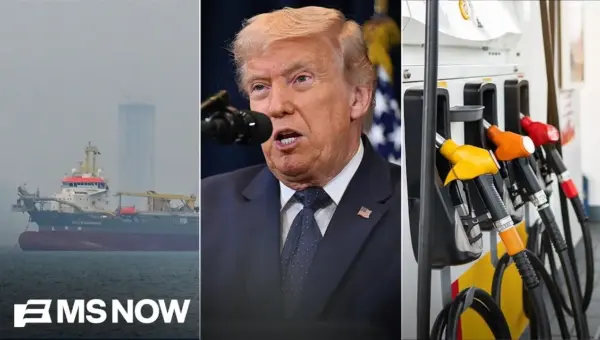
Trump’s Conflicting Iran War Messages Shake Markets
President Trump's conflicting statements on the Iran war have sent shockwaves through global markets, causing significant volatility. While assuring the conflict is nearing its end, mixed messages about the Strait of Hormuz and ongoing military objectives have fueled uncertainty. Experts question the political viability of declaring victory amidst the current geopolitical landscape.
Trump’s Iran War Claims Crumble Under Scrutiny
President Trump's claims of a "complete" war in Iran clash with his own defense secretary's view, revealing a concerning disconnect. This analysis examines the conflicting narratives, economic fallout, geopolitical implications, and political hypocrisy surrounding the conflict.
Senator Slams Trump’s Iran Claims Amidst Missile Controversy
Senator Richard Blumenthal is demanding answers from the Trump administration regarding the use of U.S. Tomahawk missiles in Iran, particularly after a strike hit an elementary school. He questions the President's understanding of missile security and criticizes the lack of transparency.