MAGA’s Shifting Sands: War in Iran Exposes Deep Divides
Prominent MAGA figures and influencers are reportedly expressing significant dissent towards Donald Trump's administration over its actions concerning Iran. This internal fracturing suggests a potential crisis of faith within the movement, driven by a perceived betrayal of core principles like non-interventionism.

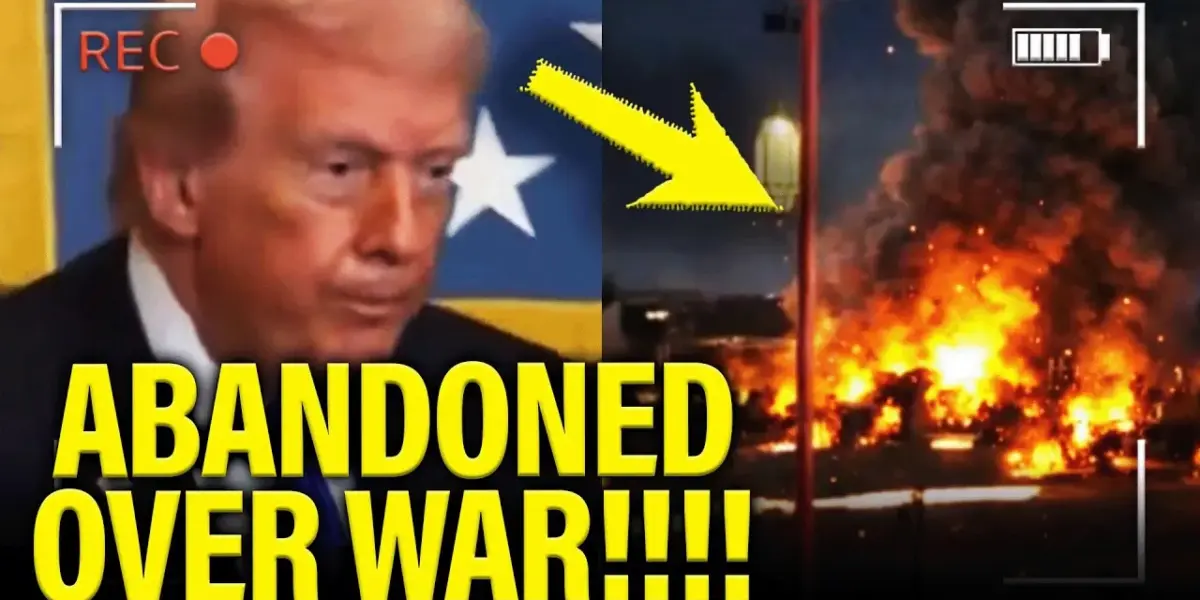
MAGA’s Shifting Sands: War in Iran Exposes Deep Divides
The landscape of political loyalty is rarely static, and the recent escalation of conflict involving Iran has thrown the MAGA movement into a state of apparent turmoil. Once a seemingly monolithic bloc, prominent MAGA figures and influencers are reportedly expressing significant dissent and public criticism towards Donald Trump’s administration regarding its actions in the Middle East. This internal fracturing suggests a potential crisis of faith within the movement, driven by a perceived betrayal of core principles, particularly the promise of non-interventionism and an end to foreign wars.
Trump’s Defense and Dismissal
In the face of this growing criticism, Donald Trump himself has responded with a mixture of defiance and dismissal. In an interview with Rachel Bade, Trump asserted his dominance over the MAGA movement, stating, “I think MAGA is Trump. MAGA is me. MAGA is not them.” He characterized his supporters as desiring national safety and prosperity, and suggested that the current actions regarding Iran are a necessary “detour” to achieve these ends. When confronted with criticism from figures like Megan Kelly, whom he labeled as someone who “goes wherever the wind blows,” Trump advised her to “study her history book a little bit.” Similarly, he downplayed the impact of Tucker Carlson’s criticism, implying that such dissenters “always come back” and urging his supporters to “relax” and “stop panicking.”
Internal Dissent from Key Figures
However, the transcript highlights a significant number of MAGA-aligned individuals and commentators who are publicly challenging the administration’s war posture. Megan Kelly, for instance, hosted Marjorie Taylor Greene, a figure Trump reportedly despises and refers to as “Marjorie Traitor.” During this segment, Greene expressed bewilderment and anger over Trump’s apparent statements about not believing he will reach heaven, questioning his mental state and its implications for his decision-making, especially concerning potential troop deployments and extended conflict timelines. Greene also echoed sentiments of anger over the financial cost and human toll of such conflicts, stating, “We are nearly $40 trillion in debt. How much is this war going to cost us?” She argued that American troops were dying “for Israel and for the Iranian people, not for the American people.”
Further evidence of this internal dissent comes from MAGA influencers like Benny Johnson, who acknowledged the reality of ongoing attacks and stated, “We are the ones doing the attacking.” He questioned whether the current policy could be framed as “America First,” a cornerstone of Trump’s platform. Libertarian podcaster Dave Smith, a notable Trump supporter, and his guests were quoted as calling Trump “weak” and “stupid,” suggesting he is entering the conflict “blind” and has been manipulated by Israeli strategy.
Questioning National Interest and Historical Promises
A central theme among the critics is the questioning of whether the current military actions serve direct U.S. national interests. Megan Kelly articulated this sentiment powerfully: “No one should have to die for a foreign country. I don’t think those service members died for the United States. I think they died for Iran or for Israel.” She emphasized that the government’s primary role is to “look out for us,” not for other nations.
This sentiment directly contrasts with the anti-war promises made during Trump’s previous campaigns. Figures like JD Vance and Tulsi Gabbard, along with Trump himself, had pledged to avoid “foreign wars” and “regime change.” The current situation, with American troops engaged in conflict and potential for prolonged involvement, is seen by many as a stark betrayal of these promises. Commentators like Matt Walsh, who identified as a MAGA supporter, questioned the automatic assumption that Trump’s actions are beneficial, stating, “Wasn’t our whole thing. We don’t do that. Even Matt Walsh is saying it here.” He expressed skepticism about the justification for a war in Iran, particularly when it contradicts the movement’s established anti-interventionist stance.
The Role of Allies and Strategic Missteps
The transcript also touches upon the influence of allies and the perceived strategic missteps. Senator Marco Rubio’s comments, suggesting the U.S. attacked Iran from a “defensive offensive posture” because Israel intended to strike regardless, have drawn significant criticism. Critics argue this indicates a lack of American sovereignty and a willingness to be drawn into conflicts based on the agendas of other nations. Cernovich noted the White House’s posting of Rubio’s comments, suggesting it further eroded credibility.
The notion of manipulation is also present, with Dave Smith’s guests suggesting that the conflict was a “plan” by Israelis who are “much smarter than Donald Trump” and were able to “con him into this.” This paints a picture of Trump as a leader susceptible to influence, lacking deep understanding, and making decisions without adequate foresight.
A Crisis of Credibility and Identity
The criticism extends to the very identity and core tenets of the MAGA movement. Caroline Sunshine, a former Trump supporter and employee, expressed dismay, stating she voted for Trump because she didn’t want to hear about “major combat operations” and “additional losses” from her government. She questioned whether the objectives were in the direct national interest of the U.S. or constituted another “regime change war” that the American people rejected by voting for Trump.
Matt Walsh, in a more pointed critique, accused some conservative influencers of “gaslighting” by retroactively justifying the war. He argued that the sudden embrace of interventionist rhetoric by those who previously opposed it, simply because Trump is now involved, is disingenuous and an attempt to “rewrite history.” He stressed the importance of honesty and making a clear case for the operation, rather than resorting to what he termed “grotesque” justifications.
Historical Context and Future Outlook
The current debate echoes historical patterns of American foreign policy and the inherent tensions within conservative movements regarding interventionism. For decades, a significant faction within conservatism has been skeptical of large-scale foreign entanglements, a sentiment that Trump’s “America First” platform amplified. The promises to end “endless wars” and prioritize domestic issues resonated deeply with a base weary of prolonged conflicts in the Middle East, particularly after the experiences in Iraq and Afghanistan.
The apparent shift or reinterpretation of these principles in the context of the Iran conflict raises questions about the movement’s future direction. If core promises can be seemingly abandoned or redefined, what remains of the movement’s identity? The internal dissent suggests that a segment of the MAGA base is not willing to follow blindly, especially when faced with the prospect of new, costly, and potentially protracted wars that contradict their previously held beliefs.
Why This Matters
The fracturing within the MAGA movement over the Iran conflict is significant for several reasons. Firstly, it exposes a potential ideological fault line that could impact future political alignments and electoral outcomes. If a substantial portion of the base feels betrayed or unconvinced by the rationale for war, it could lead to disengagement or a shift in allegiances. Secondly, it highlights the complex and often contradictory nature of foreign policy debates within nationalist movements. While “America First” often implies non-intervention, the perceived need for security or response to aggression can quickly lead to escalation, creating internal dissonance.
Thirdly, the criticism from within the MAGA sphere underscores a broader public weariness with foreign wars and a demand for greater transparency and justification from political leaders. The financial and human costs of military engagement are increasingly scrutinized, and the argument that such conflicts serve foreign interests rather than domestic ones is gaining traction. The future outlook suggests that any leader, regardless of their political base, will face increasing pressure to articulate a clear, compelling, and domestically focused rationale for military action. The MAGA movement, if it is to maintain its cohesion, will need to reconcile its anti-war rhetoric with the realities of geopolitical engagement, or risk further internal division.
Source: Trump PANICS as MAGA ABANDONS HIM OVER WAR!! (YouTube)

Related Articles

MTG’s Warning: Trump Eyes Midterm Election Sabotage
Even Marjorie Taylor Greene is now voicing concerns that Donald Trump might attempt to cancel the upcoming midterm elections. This alarming sentiment, echoed by conservative podcaster Shannon Joy, highlights a worrying willingness within some political circles to explore extreme measures. While legal barriers exist, the uncertainty surrounding the potential response from Congress and the courts creates a deeply unsettling scenario for the future of democratic processes.
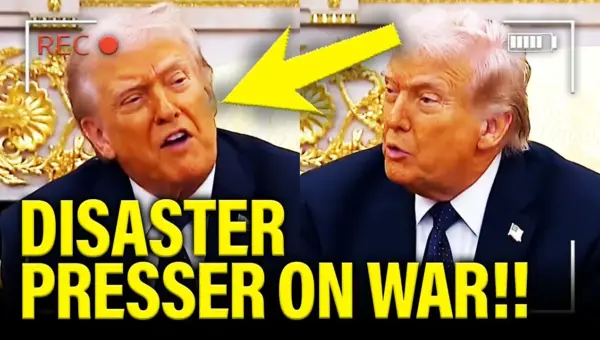
Trump’s War Presser Unravels: Threats, Confusion, and Blame
A recent press conference reveals Donald Trump's chaotic approach to foreign policy, marked by contradictory statements on the Iran conflict, threats against allies like Spain, and a concerning lack of preparedness for civilian evacuations. The event highlighted a volatile leadership style with potentially destabilizing global implications.

Petraeus: Iran Conflict Inevitable, ‘Staying Out Is Not An Option’
General David Petraeus warns that staying out of the conflict with Iran is no longer an option for the UK and regional powers. He details the likely military objectives and the uncertain outcome for the Iranian regime, while acknowledging the significant global economic repercussions.