MAGA’s Shifting Sands: Trump Loses Grip on War Rhetoric
A podcast discussion reveals potential cracks in MAGA's narrative control, particularly concerning the shifting rationale for war with Iran. The analysis explores allied attitudes and State Department responses, suggesting a loss of grip on foreign policy messaging.

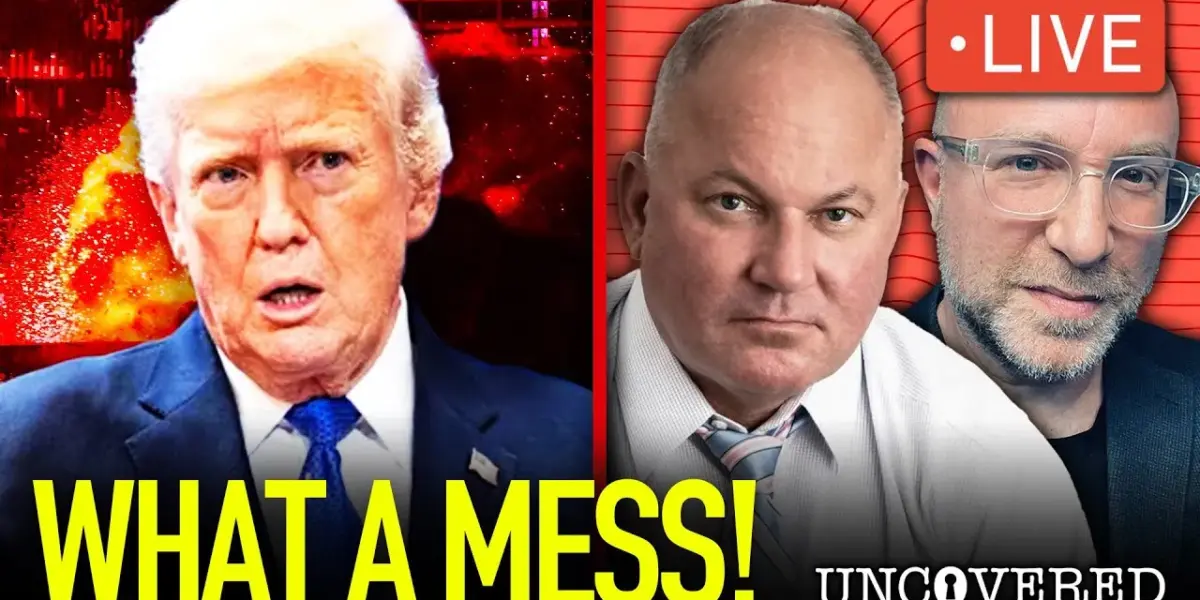
MAGA’s Shifting Sands: Trump Loses Grip on War Rhetoric
In a political landscape often characterized by unwavering loyalty and a tightly controlled narrative, cracks are beginning to show within the MAGA movement, particularly concerning foreign policy and the rationale for conflict. A recent discussion on the podcast “Uncovered,” hosted by former federal prosecutor Ron Filipkowski and British journalist Anthony Davis, highlights a noticeable shift in the “Trump regime’s” messaging regarding potential war with Iran. This evolution, coupled with observations on allied attitudes and perceived missteps by the State Department, suggests a growing complexity and perhaps a loss of absolute control over a critical aspect of national discourse.
The Texas Primary and Shifting War Rationale
The episode opens with a look at the Texas Primary, a significant electoral event that often serves as an early indicator of broader political trends. However, the core of the discussion, as indicated by the video description, pivots to a more pressing and potentially destabilizing issue: the changing justifications for war with Iran. Filipkowski and Davis suggest that the rationale presented by the Trump administration for escalating tensions or engaging in conflict is becoming increasingly fluid and perhaps less convincing, even to a base that has historically shown strong support for decisive, often aggressive, foreign policy stances.
This is not merely a rhetorical exercise. The language used by political leaders to frame potential military engagements carries immense weight, influencing public opinion, international relations, and ultimately, the lives of service members and civilians. When the rationale for such actions becomes inconsistent or appears to shift based on expediency rather than strategic necessity, it can erode trust and create an environment of uncertainty. The podcast’s hosts imply that this uncertainty might be contributing to a perceived loss of control over the narrative, even within a movement known for its fervent adherence to its leader.
Allied Attitudes and State Department Woes
Adding another layer of complexity to the foreign policy discussion is the reported attitude of allies. In international relations, the alignment and support of allies are crucial for the success of any foreign policy initiative, particularly one involving potential military action. If allies are perceived as hesitant, unsupportive, or critical of the U.S. approach, it can significantly undermine the credibility and effectiveness of American foreign policy. The podcast’s mention of allied attitudes suggests a potential disconnect between the U.S. administration’s stance and that of its traditional partners, a scenario that could isolate the U.S. on the global stage.
Furthermore, the critique of the State Department’s “bungled response” points to potential internal communication breakdowns or strategic miscalculations. The State Department is the primary conduit for U.S. diplomacy and international engagement. Ineffective or poorly executed responses to international crises can exacerbate tensions, alienate allies, and embolden adversaries. The implication here is that beyond the White House’s messaging, the operational arm of foreign policy is also struggling to maintain a coherent and effective presence.
Kristi Noem and the Far-Right Extremes
The discussion also touches upon broader themes of political extremism, referencing Kristi Noem’s testimony regarding ICE abuses. While the specifics of her testimony are not detailed in the provided description, its inclusion suggests a connection to the podcast’s overarching theme: the “epidemic of false propaganda pushing Republican politics to the extreme far-right.” This framing positions the podcast as a platform dedicated to dissecting and exposing what its hosts perceive as a deliberate effort to radicalize political discourse through misinformation.
Filipkowski and Davis, through their platform “Uncovered,” aim to analyze how propaganda shapes political narratives, particularly within the Republican party and its alignment with the MAGA movement. The implication is that the shifting war rationale and the handling of foreign policy issues are not isolated incidents but are symptomatic of a broader trend towards increasingly extreme and potentially unreliable political messaging. This narrative control, or lack thereof, becomes a critical battleground.
Historical Context and the Nature of Political Control
Historically, political movements, especially those centered around a strong personality like Donald Trump, often strive for absolute narrative control. This is achieved through a combination of direct communication, loyal media allies, and a consistent message that resonates with the base. When this control appears to falter, it can signal a moment of vulnerability. The perceived “loss of control” over the war narrative with Iran, as suggested by the podcast, could be interpreted in several ways:
- Internal Dissent: Perhaps there are factions within the movement or the administration itself that are struggling to reconcile shifting justifications, leading to leaks or inconsistent messaging.
- External Pressure: International events, the reactions of allies, or critical reporting can force a recalcitrant administration to adjust its narrative, even if imperfectly.
- Base Fatigue: While the MAGA base is known for its loyalty, prolonged periods of tension or unclear objectives in foreign policy could lead to a degree of weariness or questioning.
- Media Scrutiny: As suggested by the podcast’s premise, persistent analysis and debunking of propaganda can eventually erode the effectiveness of a controlled narrative.
Why This Matters
The implications of a shifting and potentially less controlled war narrative are profound. For foreign policy, it can lead to miscalculation, increased global instability, and a weakening of diplomatic alliances. For domestic politics, it raises questions about the coherence and reliability of the information being disseminated to the public, especially concerning matters of life and death. The podcast “Uncovered” frames this as part of a larger effort to push politics to the extreme far-right through propaganda, suggesting that the erosion of narrative control is a significant development in this process.
Understanding how political movements adapt or struggle to adapt their messaging in response to complex global events is crucial for informed citizenship. The hosts’ analysis suggests that the MAGA movement, despite its apparent strength, may be facing challenges in maintaining a consistent and credible stance on critical issues like foreign conflict. This dynamic is not unique to any single administration but is a recurring theme in the study of political communication and power.
Implications, Trends, and Future Outlook
The trend observed in this discussion points towards a more complex and potentially fragmented political discourse. The days of a single, monolithic narrative may be waning, even for movements that have excelled at cultivating one. The future outlook suggests that continued scrutiny from independent journalists and analysts, like those on “Uncovered,” will be essential in holding political actors accountable for their messaging and actions, particularly on matters of war and peace.
The effectiveness of propaganda is increasingly being challenged by decentralized information flows and critical analysis. As political actors attempt to navigate complex foreign policy challenges, their ability to maintain a consistent, truthful, and internationally supported narrative will be a key indicator of their effectiveness and their grip on power. The apparent struggle with the war narrative concerning Iran could be a harbinger of future challenges for the MAGA movement in maintaining its ideological and rhetorical consistency in the face of evolving global realities.
The episode highlights a noticeable shift in the ‘Trump regime’s’ messaging regarding potential war with Iran, suggesting a growing complexity and perhaps a loss of absolute control over a critical aspect of national discourse.
Source: LIVE: MAGA gets UNCOVERED as Trump LOSES CONTROL over WAR (YouTube)

Related Articles

Germany Faces Iran Dilemma: Law vs. Security Needs
Germany is confronting the limitations of international law in addressing Iran's persistent nuclear ambitions and regional provocations. The nation faces a dilemma balancing security interests with adherence to global legal norms, as existing frameworks prove insufficient against a regime that consistently challenges international agreements.
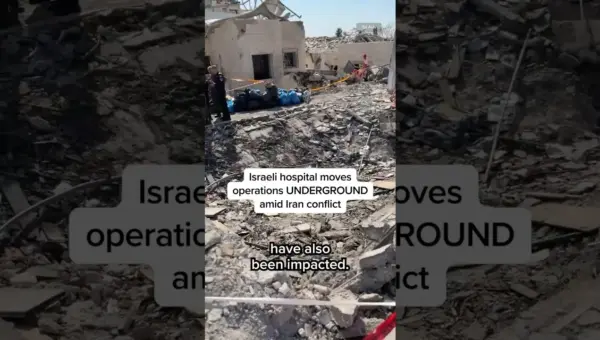
Israel Hospitals Go Underground Amid Iran Tensions
Amid escalating Iran conflict, Israeli hospitals like Sheba Medical Center are moving critical operations, including surgeries and ICUs, to secure underground facilities. This unprecedented move aims to ensure patient safety and maintain medical service continuity under potential aerial threats.
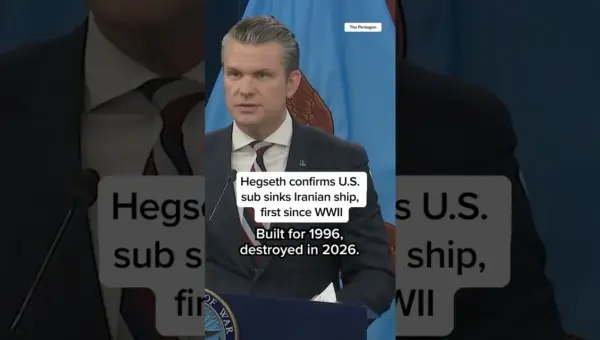
US Submarine Sinks Iranian Warship in Indian Ocean
An American submarine has sunk an Iranian warship in the Indian Ocean off the coast of Sri Lanka, marking a significant naval escalation. The incident, confirmed by commentator Pete Hegseth, is reportedly the first such sinking by a U.S. vessel against an Iranian warship since World War II. The engagement occurred in international waters.