MAGA’s Reckoning: Acknowledging the Left’s Early Warnings
A growing number of MAGA supporters are reportedly beginning to acknowledge that critics on the left may have been correct in their assessments of Donald Trump. This disillusionment, often expressed as "we didn't vote for this," suggests a re-evaluation of past warnings and a potential fracturing of the movement.

The Unraveling of a Movement: MAGA’s Shifting Sands
A growing sentiment suggests that a significant portion of the MAGA movement is beginning to grapple with a difficult truth: the very individuals they often derided on the political left may have possessed a more accurate understanding of Donald Trump and his presidency all along. This emergent realization, though rarely voiced publicly, is manifesting in a palpable sense of disillusionment among some supporters, who now lament, “we didn’t vote for this.” This sentiment echoes a decade of warnings from critics who characterized Trump as a deceptive figure, a “lying snake” whose ultimate loyalty lay with himself, not his base.
Echoes of Discontent: The “We Didn’t Vote For This” Phenomenon
The phrase “we didn’t vote for this” encapsulates a complex emotional landscape for some within the MAGA sphere. It signifies a perceived betrayal, a disconnect between the promises made and the reality experienced. This sentiment implies a dawning awareness that the candidate they supported may not have been the transformative figure they envisioned, or worse, that his actions and rhetoric have led to outcomes antithetical to their original hopes. The transcript suggests that this disillusionment stems from a failure to heed earlier warnings, warnings that painted a picture of Trump as an opportunistic figure, prone to self-interest over the well-being of his supporters.
A Decade of Warnings: The Critics’ Perspective
For over a decade, political commentators and critics, many from the left, have voiced concerns about Donald Trump’s character, his business dealings, and his political motivations. These warnings often painted him as a populist showman whose primary goal was personal enrichment and power, rather than genuine public service. The transcript highlights that these critiques were frequently dismissed or met with hostility by Trump’s supporters, who saw them as politically motivated attacks rather than genuine observations. The current wave of “we didn’t vote for this” sentiment suggests that some of these dismissed warnings are now being re-evaluated, with a growing number of individuals questioning the narrative they were sold.
The Nature of Populism and Unfulfilled Promises
The MAGA movement, like many populist movements throughout history, tapped into a deep well of discontent among a segment of the population. It offered a narrative of disruption, of challenging the established order, and of restoring a perceived lost greatness. Donald Trump’s rhetoric often focused on economic anxieties, cultural grievances, and a promise to fight for the “forgotten man and woman.” However, populist promises are notoriously difficult to fulfill, often relying on broad strokes and simplified solutions to complex problems. When the tangible results do not match the fervent rhetoric, disillusionment is an almost inevitable consequence. The transcript implies that for some MAGA supporters, the gap between the promised revolution and the actual outcomes has become too wide to ignore.
Why This Matters
This potential shift in perspective within a significant political base is of considerable importance for several reasons. Firstly, it speaks to the enduring power of political narratives and the mechanisms by which they are constructed and deconstructed. If a substantial number of MAGA supporters are indeed re-evaluating their allegiance based on perceived betrayals, it signals a potential fracturing of the movement’s monolithic image. Secondly, it raises questions about the long-term viability of political figures who rely heavily on personality and unfulfilled promises. Can a movement built on fervent loyalty withstand the erosion of trust when its central figure is perceived to have acted against the interests of his base? Finally, it highlights the cyclical nature of political discourse, where warnings once dismissed can, with time and changing circumstances, gain a new resonance.
Historical Context: The Perils of Unchecked Populism
Populist movements have a long and often tumultuous history. From Andrew Jackson’s presidency in the United States to the rise of various nationalist movements in Europe, history offers numerous examples of leaders who galvanized popular support by promising to overthrow corrupt elites and restore power to “the people.” However, these movements have frequently been characterized by charismatic but ultimately divisive leaders, a susceptibility to misinformation, and a tendency towards authoritarianism. The transcript’s implication that Trump was perceived by critics as a self-serving figure aligns with historical patterns where the personal ambitions of populist leaders can overshadow the interests of the very people they claim to represent. The current situation within the MAGA movement could be seen as a contemporary manifestation of these historical dynamics, where the initial fervor of a populist uprising encounters the harsh realities of governance and leadership accountability.
Trends and Future Outlook
The transcript points to a potential trend of disillusionment that could have significant implications for the future of American politics. If the MAGA movement experiences a notable internal recalibration, it could lead to a re-alignment of political forces. This might involve a segment of disillusioned voters seeking new political homes, or it could strengthen existing opposition parties by highlighting the perceived failures of the MAGA agenda. The future outlook depends heavily on how this sentiment evolves and whether it translates into tangible political action. Will these individuals retreat from politics, or will they become more critical and discerning in their political choices? The transcript suggests a future where the effectiveness of Trump-aligned political figures may be increasingly scrutinized by those who once offered unwavering support. The challenge for any political movement is to maintain the trust of its base, and when that trust is perceived to be broken, the long-term consequences can be profound.
Conclusion: A Moment of Reflection
The notion that MAGA supporters are beginning to realize the prescience of their critics is a compelling one. It suggests a moment of reflection, a painful but potentially necessary re-evaluation of political allegiances. While public admission may be rare, the underlying sentiment of “we didn’t vote for this” could be a powerful indicator of a shifting political landscape. The journey from fervent belief to critical reassessment is rarely smooth, but it is often a sign of political maturity and a demand for greater accountability from those who seek to lead. The coming months and years will likely reveal the true extent of this potential awakening and its lasting impact on the American political narrative.
Source: Sad MAGA Realizes The Left Was Right About Everything (YouTube)

Related Articles

Polls Spell Doom: Republicans Face Voter Backlash
New polling data reveals a sharp decline in public confidence regarding the economic impact of Republican policies, particularly under Donald Trump. A significant majority now feel financially worse off, a trend that is especially pronounced among independent voters. This economic discontent poses a major challenge for the Republican party heading into future elections.
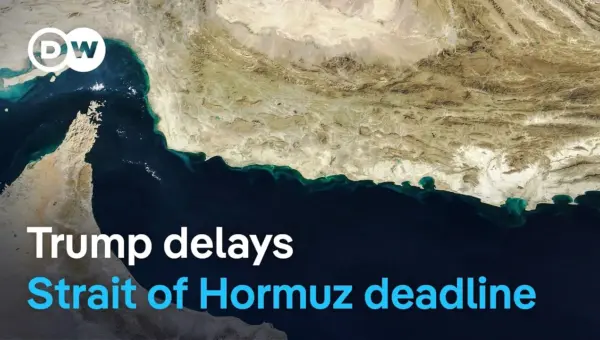
Trump Delays Iran Strike Deadline Amidst Shifting Diplomacy
President Donald Trump has extended his deadline for potential strikes on Iranian energy plants to April 6th, amid reports of U.S.-Iran diplomatic talks mediated by Pakistan. This move comes as Israel continues its strikes on Iran and the U.S. deploys additional military assets to the region. Analysts point to mixed signals, economic pressures, and strategic miscalculations as key factors shaping the evolving situation.
Iran War Claims Ring Hollow as US Troops Injured in New Attack
Days after Donald Trump claimed "we've won" the war with Iran, a new attack injured approximately a dozen U.S. troops and damaged aircraft. This incident contradicts Trump's assertions of victory and raises serious questions about the strategy and reality of the ongoing conflict.