MAGA’s Fury: Trump’s Iran Deal Sparks Backlash
Donald Trump's recent dealings with Iran have sparked significant anger and confusion within the MAGA movement. Supporters feel their leader has appeared weak, breaking campaign promises and failing to address the threat from Iran decisively.

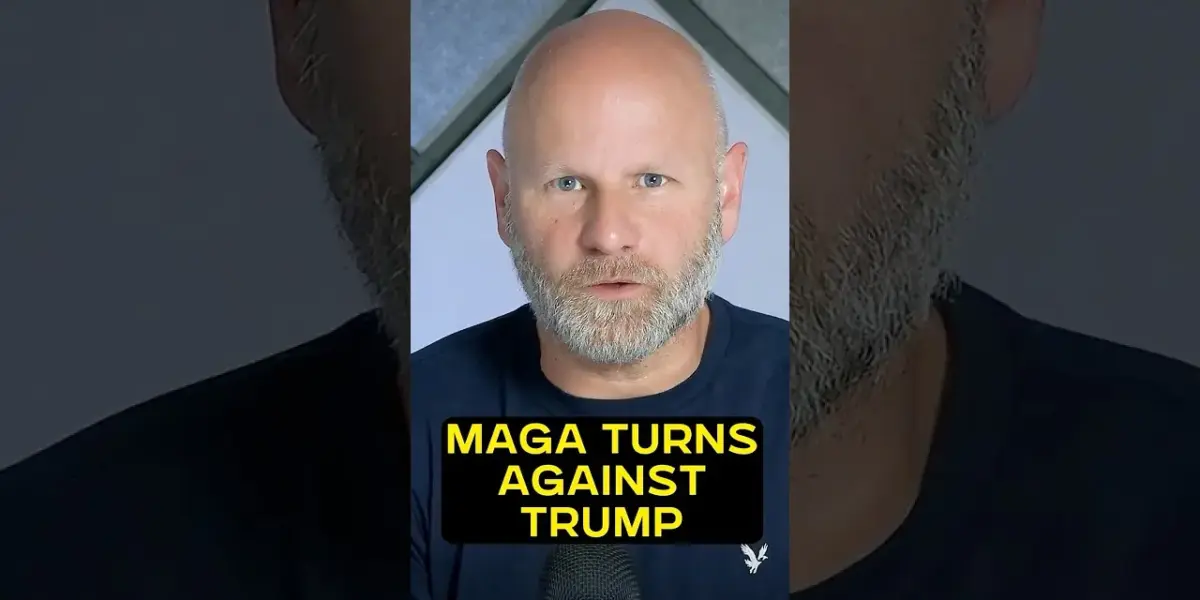
MAGA’s Fury: Trump’s Iran Deal Sparks Backlash
Donald Trump’s approach to Iran has left many of his strongest supporters confused and angry. The MAGA movement, which largely backed Trump’s promise of “no new wars,” now finds itself at odds with his recent dealings with Iran. This situation highlights a deep division within the movement, struggling to reconcile Trump’s past rhetoric with his current actions.
A Campaign Promise Broken?
During his campaigns, Trump often vowed to keep America out of foreign conflicts. He specifically warned that voting for opponents, like Kamala Harris, would lead to war with Iran. Ironically, for those who did vote for her, the prediction of conflict came true. Now, the movement feels betrayed not only by the war itself but also by what they perceive as Trump’s capitulation.
From War to Surrender: MAGA’s Discontent
The MAGA base was reportedly unhappy with the initial conflict. Now, facing a ceasefire, they are equally displeased. The core issue seems to be a feeling that Trump has appeared weak on the world stage. Supporters believe he has surrendered, a notion that clashes with the strongman image they associate with their leader. The global mockery of Trump and critical coverage from outlets like Fox News, which suggested Trump was “hosed on the deal,” have only fueled this discontent.
“A ceasefire that leaves the IRGC in power isn’t peace. It’s permission. Permission to regroup. Permission to rearm. Permission to do it all over again. That’s not a win. That’s a delay.”
Concerns Over Iran’s Future Power
The anger is rooted in a fear that Trump’s deal allows Iran to regroup and rearm. Many MAGA supporters see Iran as a persistent threat. They worry that failing to decisively defeat or dismantle Iran’s power structures will only lead to greater problems down the line. Comments from social media reveal a deep-seated belief that Iran, if not fully contained, will become a more dangerous adversary.
“This is a cancer. If you don’t fully get rid of a cancer, it will grow back. China will help. Russia will help. And we will have a nuclear, fully stockpiled, more knowledgeable Iran for our children and grandchildren to deal with.”
Distrust and Disappointment
A significant part of the backlash stems from a profound distrust of Iran and its leaders. Many in the MAGA movement believe that negotiating with entities like the Islamic Revolutionary Guard Corps (IRGC) is futile. They view such actions as naive and dangerous, arguing that these groups cannot be reasoned with. The sentiment is one of extreme disappointment and frustration with what they see as a failed diplomatic strategy.
“I’m extremely disappointed in President Trump tonight. I don’t understand how you can possibly believe anything the IRGC says. [Expletive] that. End this [expletive] [expletive] already. You can’t negotiate with [expletive] terrorists for [expletive]’s sake.”
Why This Matters
This internal conflict within the MAGA base reveals a critical tension between Trump’s “America First” foreign policy ideals and the practical outcomes of his decisions. Supporters who prioritized a non-interventionist stance and a strong national defense now feel their expectations have been unmet. It raises questions about the future direction of the MAGA movement and its ability to coalesce around a clear foreign policy vision. The anger also highlights a broader debate about how to effectively counter perceived threats from nations like Iran, and whether diplomacy or more aggressive action is the preferred path.
Historical Context and Future Outlook
For decades, US foreign policy towards Iran has been complex and often confrontational. Following the 1979 revolution, relations soured, marked by events like the hostage crisis and ongoing tensions over Iran’s nuclear program and regional influence. Previous administrations have employed a mix of sanctions, diplomatic isolation, and military posturing. Trump’s “maximum pressure” campaign aimed to isolate Iran economically and politically. However, the current situation suggests that the effectiveness and public perception of such strategies remain highly debated, even among core supporters. The future outlook for MAGA’s foreign policy stance is uncertain. As the movement grapples with these perceived contradictions, it may lead to further internal divisions or a re-evaluation of its core tenets. The desire for a strong, decisive leader who also avoids costly foreign entanglements creates a difficult balancing act, and the fallout from the Iran deal may shape future political discourse and electoral strategies.
Source: MAGA TURNS on Trump (YouTube)

Related Articles


Trump’s Shifting Image: Loyalty Tested by New Realities
Supporters of Donald Trump are facing a critical moment, questioning if the man they once backed is the same today. This internal debate highlights the tension between loyalty and reality, with some calling for accountability measures.

Congress Demands Clarity on President’s Mind
Congress is demanding a cognitive test for President Trump, citing the need for transparency on presidential mental fitness. This move reflects a growing public interest in the health of leaders and could set new precedents for evaluating those in high office.

Trump’s Promises Shatter: War and High Gas Prices Emerge
Donald Trump's promises of 'America First' and avoiding foreign conflict appear to be at odds with current events. Rising gas prices and significant military spending in the Middle East raise questions about his commitment to his own pledges. The situation is further complicated by his criticism of former allies who point out these contradictions.