MAGA’s Fury Erupts: Trump’s War Stance Sparks Outrage
Donald Trump's administration faces a furious backlash from his own MAGA base over perceived broken promises regarding new wars. Prominent figures within the movement are expressing outrage, highlighting a growing disillusionment with his foreign policy decisions and creating an uncomfortable alignment of critics.

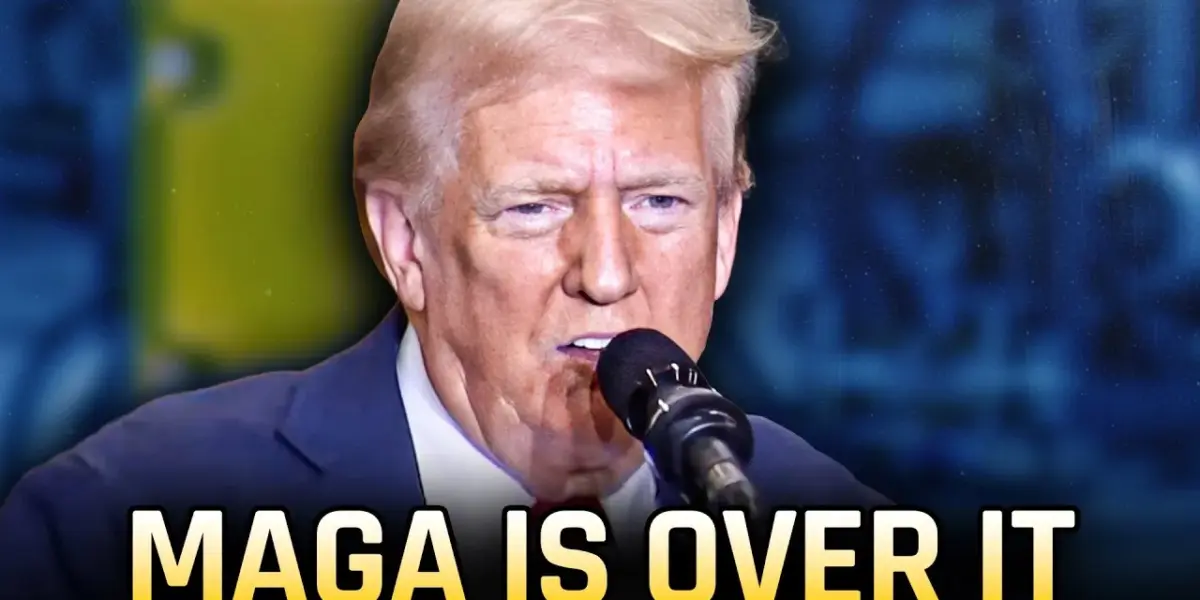
MAGA’s Fury Erupts: Trump’s War Stance Sparks Outrage
The political landscape is often a theater of shifting alliances and unexpected reactions, but the recent backlash from within the MAGA movement against Donald Trump’s foreign policy decisions has created a particularly striking moment. For a base that has largely stood by Trump through thick and thin, a growing chorus of anger is emerging over his alleged “betrayal” on a key campaign promise: to avoid initiating new wars. The sentiment, articulated by various prominent figures within the MAGA sphere, suggests a significant crack in the unwavering loyalty that has characterized the movement.
A Broken Promise Ignites the Base
The core of the discontent appears to stem from Trump’s administration’s actions regarding Iran, which many within MAGA perceive as a departure from his “America First” and anti-interventionist rhetoric. The weekend’s military actions against Iran, coupled with the ongoing situation in Venezuela, have been cited as evidence of a return to the very foreign policy entanglements Trump campaigned against. This has led to a vocal outcry from individuals who previously championed his stance.
“It’s absolutely disgusting and evil,” stated Tucker Carlson, a prominent conservative commentator, in a public statement. Marjorie Taylor Greene, a MAGA Congresswoman, echoed this sentiment, expressing concern that “America is going to be force-fed and gaslighted all the noble reasons the American peace president and pro peace administration had to go to war once again this year after being in power for only a year.”
The reactions extend beyond political commentators and lawmakers. Social media has become a battleground for these sentiments, with figures like Andrew Tate posting in all caps, “Nobody wants this war.” Similarly, MAGA Congresswoman Anna Paulina Luna urged for national prayer for service members, their families, and the innocent people of Iran. Even figures from the alt-right, such as Milo Yiannopoulos and Nick Fuentes, have voiced opposition, with Fuentes explicitly stating, “No war with Iran. Israel is dragging us to war.”
An Uncomfortable Alignment
The current situation has created a peculiar and, for many, unsettling alignment of voices. The transcript notes the irony of finding oneself agreeing with figures like Andrew Tate and Nick Fuentes, individuals who often represent the more extreme fringes of political discourse. This uncomfortable common ground highlights the depth of the perceived betrayal by Trump and the extent to which his actions have alienated segments of his own base. The observation that Trump has consistently acted contrary to his campaign promises, from building a wall to economic policies and foreign entanglements, is a recurring theme in the criticism. The argument is made that this is not an isolated incident but a pattern of behavior that his most ardent supporters are only now beginning to fully confront.
Historical Context: Interventionism vs. Isolationism
The debate over American interventionism in foreign conflicts has a long and complex history. For decades, the United States has grappled with its role on the global stage, oscillating between periods of active engagement and a desire for withdrawal. Trump’s rise to prominence was, in many ways, a reaction against the perceived failures of prolonged military engagements in the Middle East. His “America First” platform promised a recalibration of foreign policy, emphasizing domestic priorities and a skepticism towards international commitments. This resonated deeply with a segment of the electorate disillusioned with what they saw as endless wars and costly foreign entanglements.
However, the realities of international relations often present complex challenges that do not easily fit into simple campaign slogans. The tension between a desire for non-intervention and the perceived need to respond to immediate threats or geopolitical shifts has always been present. Trump’s presidency, like those before him, navigated these complexities, leading to actions that were interpreted differently by various factions of his supporters. The current outcry suggests that for some, the perceived deviation from his anti-war rhetoric has crossed a critical threshold.
Why This Matters
The MAGA movement’s reaction to Trump’s foreign policy decisions is significant for several reasons. Firstly, it exposes a potential vulnerability in Trump’s seemingly unshakeable support base. When core promises, especially those related to peace and avoiding foreign conflicts, are perceived as broken, it can lead to disillusionment and dissent. Secondly, it highlights the internal contradictions and complexities within the “America First” ideology. While advocating for non-intervention, the movement now faces situations where the actions of its leader are seen as leading towards greater conflict.
Furthermore, the vocal opposition from figures across the political spectrum, even those on the fringes, indicates a broader concern about the direction of U.S. foreign policy. It raises questions about the consistency and predictability of American actions on the world stage and the impact of such actions on domestic political unity. The very fact that these criticisms are now being voiced so loudly, and directed at Trump himself, marks a notable shift in the political discourse surrounding his leadership.
Implications, Trends, and Future Outlook
The current uproar within MAGA could have several implications. It might lead to increased scrutiny of Trump’s foreign policy decisions from within his own ranks, potentially forcing him to adjust his rhetoric or actions to appease his base. It could also embolden other critics who feel similarly betrayed, further fracturing the movement’s monolithic image. The phenomenon of MAGA supporters finding themselves in agreement with figures they might typically oppose underscores a moment of ideological confusion and reevaluation.
Looking ahead, this situation presents a challenge for both Trump and the future of the MAGA movement. Will this dissent lead to a lasting shift in the base’s expectations, or will the loyalty to Trump supersede these foreign policy concerns? The trend towards questioning established political narratives and the willingness to express dissent, even against a once-dominant figure, suggests a more dynamic and potentially volatile political environment. The ability of the MAGA movement to reconcile its anti-war sentiments with the perceived realities of international engagement will be a key factor in its future trajectory and its enduring influence on American politics.
Source: MAGA Melts Down Over Trump’s Latest Betrayal (YouTube)

Related Articles
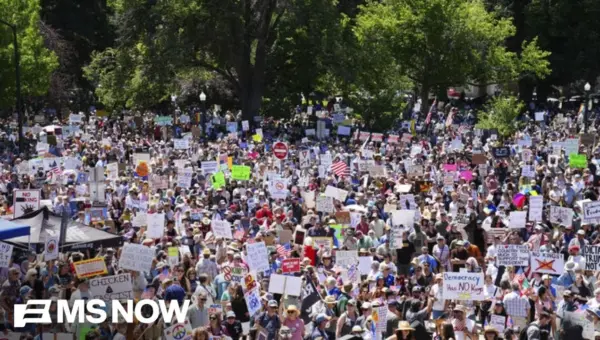
Snyder: Democracy Demands Citizen Action, Not Passive Hope
Historian Timothy Snyder asserts that democracy's survival depends on active citizen participation, not passive hope. He analyzes the fraying 'veneer of invincibility' surrounding Donald Trump and stresses the vital role of grassroots action and a vigilant press in bolstering democratic institutions.
Bondi Faces Epstein Fallout Amidst Trump’s Cover-Up Shield
Congressman Dan Goldman discusses the complex situation surrounding Pam Bondi's potential involvement in the Epstein cover-up. He argues that unlike other officials, Bondi's deep knowledge of 'Epstein secrets' and potential leverage over Donald Trump makes her firing unlikely, highlighting concerns about a broader accountability gap in the current political climate.

War Games: How Memes Mask a Catastrophic Iranian Conflict
A critical analysis of the current Iranian conflict, exposing how the Trump administration's use of memes and perceived detachment trivializes the human cost. The piece questions the necessity of the war, highlights geopolitical manipulation, and examines the severe economic impact on American families.