MAGA’s Blind Spot: Trump’s Economic Betrayal Ignored
While MAGA supporters voice anger over issues like the Epstein files, a critical economic betrayal by Donald Trump appears to be overlooked. The persistent rise in inflation and its impact on everyday Americans demands greater attention and accountability.

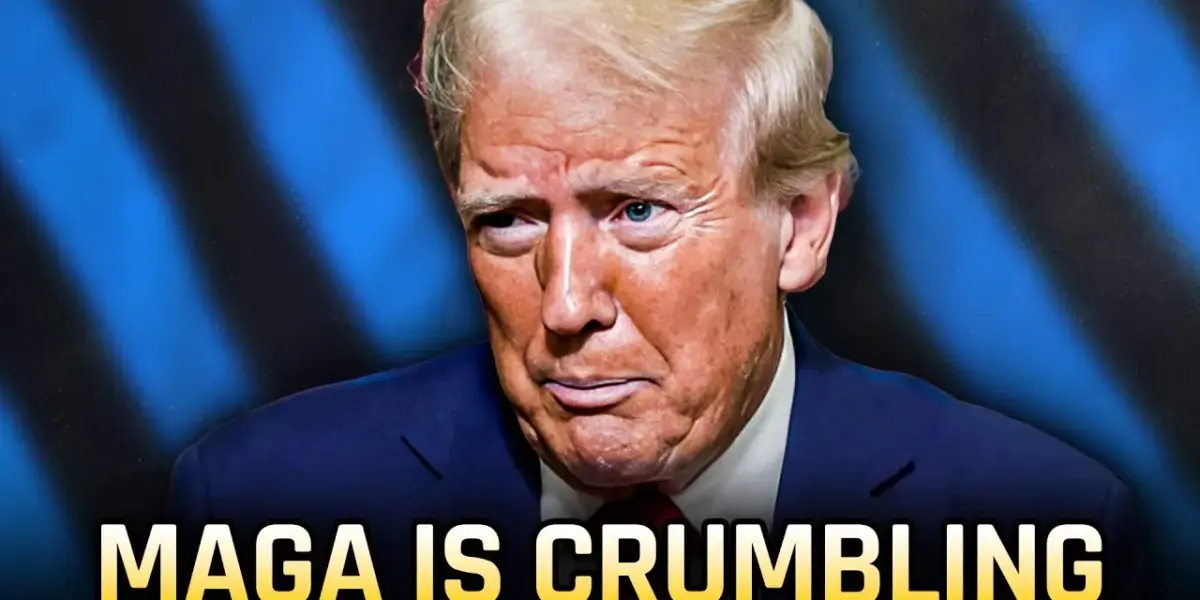
MAGA’s Blind Spot: Trump’s Economic Betrayal Ignored
In the swirling currents of political discourse, a curious phenomenon is unfolding within the MAGA movement. While various factions and individuals associated with the movement have voiced discontent with Donald Trump over issues ranging from the Epstein files to foreign policy decisions concerning Venezuela and Iran, a significant and arguably more impactful failure appears to have been largely overlooked: the economy. This piece delves into the reasons behind this selective outrage and questions why the economic well-being of the average American hasn’t become the central rallying cry for Trump’s base.
The Epstein Files and Distractions
The recent attention surrounding the Epstein files and allegations of a cover-up involving Donald Trump has undoubtedly captured headlines and fueled considerable anger. Similarly, concerns about Trump’s stance on Venezuela and Iran have also drawn criticism. These are not insignificant issues, and the outrage they generate is understandable. However, the argument presented is that these controversies, while substantial, may be serving as a smokescreen, diverting attention from a more fundamental betrayal of campaign promises that directly impacts the daily lives of millions.
The Unseen Inflation Crisis
The core of the argument rests on the persistent and often unacknowledged rise in inflation. The transcript highlights a stark figure: a 2.4% increase in inflation in January alone. This isn’t a minor fluctuation; it represents a tangible increase in the cost of living. The sentiment that “prices only travel in one direction” – upwards – resonates deeply with consumers who are feeling the pinch at the grocery store and at the gas pump. For many, the promise of economic prosperity and affordability was a primary driver for supporting Trump. Yet, the current economic reality appears to contradict these aspirations.
A Betrayal of Promises
Donald Trump campaigned on a platform that explicitly addressed economic concerns, promising to lower prices and end inflation. His supporters, including many MAGA voters, independents, and moderates, cast their ballots with these promises in mind. The transcript points to a perceived betrayal, suggesting that instead of delivering on these economic pledges, Trump has dismissed the concerns of everyday Americans, even labeling inflation as a “hoax” and proclaiming a “golden age of America” during a recent State of the Union address. This disconnect between campaign rhetoric and current economic conditions is presented as a prime example of a broken promise that warrants significant outrage.
Manufacturing Jobs: A Historical Perspective
The discussion extends to the critical sector of manufacturing. The transcript notes that manufacturing jobs have been in a steady decline in the United States since 1979. However, it posits that under the Biden administration, the Infrastructure and Investment Act, which included significant investment in renewable energy technology, spurred a resurgence in manufacturing jobs. This, for the first time in decades, saw growth in the sector. The narrative presented is that Trump’s subsequent policies, which allegedly involved cutting this spending, led to an immediate reversal of this growth, resulting in the loss of approximately 100,000 manufacturing jobs within a year. This is framed as a direct consequence of Trump’s economic decisions, undoing progress that had been made in a sector vital to American employment.
Compartmentalization and Personal Impact
The analysis suggests that voters are capable of compartmentalizing different issues. While outrage over the Epstein files or foreign policy decisions might be intense, these issues may not have a direct, daily impact on the average American’s life, unless they are directly involved or have loved ones in the military. The argument is that the daily grind of rising prices and the struggle to afford basic necessities has a far more immediate and profound effect. If voters are not expressing anger over these personal economic hardships, the concern is that they will overlook these betrayals, continue to support Trump, and potentially repeat past electoral choices.
Why This Matters
The fundamental question raised is why the MAGA movement, and its supporters, are not channeling their energy and outrage towards the economic issues that directly affect their wallets. The transcript argues that a lack of vocal opposition to Trump on economic policy represents a critical oversight. This oversight allows for the continuation of policies that may be detrimental to the economic well-being of the average citizen. It suggests that a focus on tangible, everyday concerns like inflation and job security is essential for informed political decision-making. Without this focus, there is a risk of voters being swayed by other narratives, potentially leading to choices that do not align with their long-term economic interests.
Implications, Trends, and Future Outlook
The trend identified is a potential disconnect between the perceived grievances of a political base and the actual impact of policies on their lives. If economic concerns are sidelined in favor of more sensational, yet less personally impactful, issues, it could have significant implications for future elections. Voters who feel economically disenfranchised but fail to hold their leaders accountable on these specific issues may remain susceptible to the same promises and rhetoric in subsequent election cycles. The future outlook suggests that a renewed focus on economic literacy and accountability within political movements could be crucial for ensuring that voters are making choices based on their most pressing needs.
Historical Context
The decline of manufacturing jobs since 1979 provides a long-term historical backdrop to the current economic discussions. This historical trend underscores the significance of any policy that either exacerbates or reverses this decline. The mention of the infrastructure and investment act under the Biden administration as a catalyst for job growth in manufacturing offers a recent historical comparison point to evaluate the impact of different economic strategies. Understanding these historical patterns is vital for assessing the effectiveness and consequences of contemporary economic policies.
Conclusion
While the controversies surrounding the Epstein files and foreign policy are valid grounds for concern, the transcript makes a compelling case that the economic well-being of the average American should be at the forefront of MAGA’s critical examination of Donald Trump. The persistent rise in inflation and the impact on manufacturing jobs are issues that directly affect daily life. Failing to address these economic betrayals, the argument concludes, not only undermines the promises made to voters but also risks perpetuating a cycle of electoral decisions that may not serve their best interests.
Source: MAGA Completely Ignoring Trump's Biggest Failure (YouTube)

Related Articles

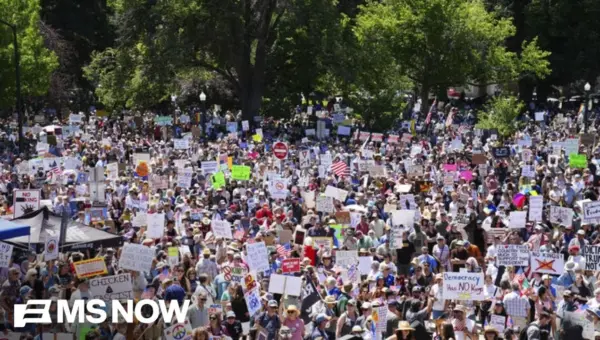
Snyder: Democracy Demands Citizen Action, Not Passive Hope
Historian Timothy Snyder asserts that democracy's survival depends on active citizen participation, not passive hope. He analyzes the fraying 'veneer of invincibility' surrounding Donald Trump and stresses the vital role of grassroots action and a vigilant press in bolstering democratic institutions.
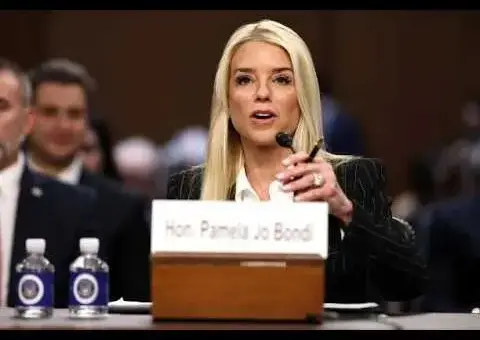
Bondi Faces Epstein Fallout Amidst Trump’s Cover-Up Shield
Congressman Dan Goldman discusses the complex situation surrounding Pam Bondi's potential involvement in the Epstein cover-up. He argues that unlike other officials, Bondi's deep knowledge of 'Epstein secrets' and potential leverage over Donald Trump makes her firing unlikely, highlighting concerns about a broader accountability gap in the current political climate.

War Games: How Memes Mask a Catastrophic Iranian Conflict
A critical analysis of the current Iranian conflict, exposing how the Trump administration's use of memes and perceived detachment trivializes the human cost. The piece questions the necessity of the war, highlights geopolitical manipulation, and examines the severe economic impact on American families.