MAGA Wave Sweeps Crenshaw Out: A Glimpse into GOP’s Future
Dan Crenshaw's primary defeat signals the enduring power of the MAGA movement within the GOP. His loss highlights a trend of more ideologically driven candidates winning in deep-red districts, raising questions about the future of Republican representation and the party's direction.


Crenshaw’s Congressional Career Ends in Primary Defeat
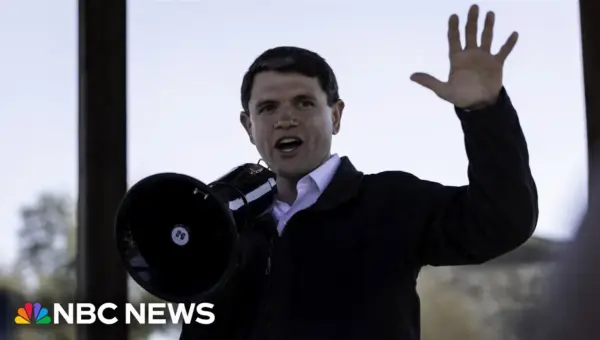
Dan Crenshaw, once heralded as a rising star within the Republican party, has seen his congressional career abruptly end following a primary election defeat. The Texas Republican representative lost his bid for re-election yesterday, meaning he will serve out the remainder of his term but will not return to Capitol Hill. His defeat comes at the hands of Steve Toth, a more staunchly MAGA-aligned Republican who successfully ran to Crenshaw’s right.
The Shifting Sands of the Republican Base
Crenshaw’s loss is being framed not as a victory for moderation, but as a further consolidation of the MAGA movement’s influence within the Republican party. The narrative suggests that in deep-red Republican districts, the outcome of such primary challenges is often a move further to the right, rather than a shift towards the center. This trend is illustrated by the comparison to other districts, where the departure of figures like Matt Gaetz has, in some instances, resulted in successors who are even more aligned with the Trump-aligned base.
The Texas Second Congressional District, Crenshaw’s home turf, is described as a reliably red area. This context suggests that Steve Toth is highly likely to become the next representative, reinforcing the idea that the district’s electorate is leaning further into the MAGA ideology. The implication is that the “whackadoo” element, as described in the analysis, is not being replaced by rationality but by an even more fervent adherence to a particular political brand.
A Glimmer of Hope for Crenshaw’s Final Months?
While the immediate aftermath of the election points to a more ideologically driven successor, there’s a speculative hope that Crenshaw’s remaining months in office might see a shift in his own political calculus. Knowing his congressional career is effectively over and that a return to electoral politics might be distant, some suggest Crenshaw could feel liberated from party pressures. This could potentially lead to a more independent stance, perhaps even voting with Democrats on certain issues or abstaining from votes altogether.
The argument is that with the pressure of re-election removed, Crenshaw might be less inclined to toe the party line or defend controversial actions. This perspective, however, is presented with a significant dose of caution, acknowledging that while these outcomes are possible, they are far from guaranteed. It’s a scenario where a politician, facing the end of a chapter, might act with a newfound, albeit temporary, sense of freedom.
Why This Matters
Dan Crenshaw’s defeat is more than just the ousting of a single politician; it’s a significant data point in the ongoing evolution of the Republican party. It underscores the potent and persistent influence of the MAGA movement, demonstrating its ability to unseat established figures, even those who were once considered party darlings. The race highlights a key dynamic in Republican primaries: the pressure to align with the most ardent wing of the party, often at the expense of more traditional conservative or moderate platforms.
Furthermore, the analysis raises a critical question about representation in deeply polarized districts. When incumbents are challenged from the right and lose, the resulting shift doesn’t necessarily bring about more moderate governance. Instead, it can lead to a more extreme ideological alignment, potentially exacerbating partisan divides and impacting legislative outcomes. The implication for the broader political landscape is a continued hardening of partisan lines and a shrinking space for bipartisan cooperation.
Historical Context and Future Outlook
The political trajectory of figures like Dan Crenshaw reflects a broader trend within the Republican party over the past decade. The rise of Donald Trump and the subsequent embrace of his political brand have reshaped the party’s identity and priorities. Politicians who once navigated the party establishment are now finding themselves outmaneuvered by those who more closely embody the MAGA ethos. This phenomenon isn’t unique to Texas; similar dynamics have played out across the country, as incumbents face challenges from within their own party.
Looking ahead, Crenshaw’s defeat serves as a stark warning for other Republicans who may not fully align with the dominant MAGA ideology. It suggests that loyalty to the former president and adherence to his political tenets are increasingly becoming prerequisites for electoral success within the party, especially in conservative strongholds. The future outlook for the Republican party appears to be one where ideological purity, as defined by the MAGA movement, will continue to be a dominant force, potentially sidelining more traditional conservative voices and further polarizing the American political spectrum.
The question remains whether this trend is sustainable or if the Republican party will eventually seek a broader coalition. For now, the evidence from races like Dan Crenshaw’s primary suggests that the MAGA wave is far from receding, continuing to reshape the contours of American conservatism and its representation in Congress.
Source: Dan Crenshaw DEFEATED in MAJOR Upset (YouTube)

Related Articles


US War in Iran Escalates Amidst Domestic Economic Woes
As the war in Iran intensifies, the Trump administration faces mounting domestic economic challenges, including job losses and depleted retirement savings. Officials downplay the conflict's severity while critics highlight the human and financial costs.


Texas Turns Blue? Election Shakes Up GOP, Fuels Democratic Hopes
Record Democratic turnout in Texas primaries signals a potential political realignment, with upsets and divisions within the GOP fueling Democratic hopes for November. A special election win in Arkansas further underscores these shifts.

Talarico Triumphs: Texas Democrat Wins Senate Primary Upset
James Talarico has won the Texas Democratic Senate primary, defeating Congresswoman Jasmine Crockett in a race marked by contrasting campaign strategies. The victory came after a prolonged vote count complicated by polling issues and ongoing legal challenges.