MAGA Voters Divided Over Potential Iran War
The potential for a US war with Iran has sparked debate at CPAC, revealing a divided MAGA base. While some support military action, many express concerns over prolonged conflicts and rising economic costs, particularly higher gas prices.


MAGA Base Debates Iran Conflict Amidst Shifting Priorities
The possibility of a US war with Iran has become a dominant, yet divisive, topic at the Conservative Political Action Conference (CPAC), the nation’s largest gathering for conservatives. While some supporters express strong backing for military action, a significant portion of the MAGA base shows hesitation, concerned about repeating past conflicts and the potential economic fallout.
Polls Show Divided Support for Iran Action
Recent polling data reveals a complex picture of MAGA support regarding a potential conflict with Iran. While 92% of President Trump’s supporters reportedly back such a war, many attendees at CPAC expressed reservations. This split highlights a tension between stated policy preferences and the practical concerns of everyday Americans.
Concerns Over “Forever Wars” Persist
Despite President Trump’s promise to end long-standing military engagements, some supporters are questioning whether a conflict with Iran could become another drawn-out “forever war.” One attendee voiced this concern, stating, “There’s not really any evidence that we’re going to be in and out of there like it’s claimed to be right now. So, I think a lot of people are just nervous.” This sentiment suggests a weariness with prolonged military interventions in the Middle East.
The fear is that the US might be “drugged into another Middle East war,” a sentiment echoed by attendees who are hesitant due to the costly and lengthy nature of past conflicts. This cautious approach indicates a desire for clearer objectives and a more defined exit strategy before committing to military action.
Economic Impact Looms Large for Voters
The potential economic consequences of a war with Iran are a major concern for many MAGA supporters. The Organisation for Economic Co-operation and Development (OECD) has warned that US inflation could surpass 4% due to an energy shock. Americans are already feeling the pinch through rising gas prices, increased food costs, and higher electricity bills, impacting their daily lives.
This raises a critical question for voters: how much are they willing to pay for such a conflict? The economic strain is a tangible reality that influences perceptions of foreign policy decisions. “If gasoline goes to 10 bucks a gallon, okay, it’s not going to be forever, but it will never get there. I just don’t believe it will ever get there,” one supporter remarked.
However, when pressed on whether they would endure such hardship, the same supporter responded, “Then I’ll suck it up and deal with it. We are because we still believe President Trump 100%.” This indicates a strong loyalty that might override economic concerns for some, but the underlying anxiety about affordability remains.
Trump’s Absence and Empty Seats Fuel Speculation
President Trump’s presence was felt throughout CPAC with his image and message plastered on various media, from screens to cigars. However, his physical absence from the main stage led to speculation among attendees. Some suggested that his non-appearance was linked to the sensitive topic of a potential war with Iran, a subject that clearly divides his base.
The presence of empty seats, an unusual sight at CPAC, further fueled these discussions. It hinted at a disconnect or a level of discomfort surrounding the current political climate and the foreign policy questions at hand, particularly concerning the Middle East.
Looking Ahead: Shifting Priorities and Voter Sentiment
As the political landscape evolves, the MAGA movement faces the challenge of balancing foreign policy ambitions with the economic realities and past experiences of its supporters. The debate over a potential war with Iran at CPAC underscores a growing desire among voters for clarity, defined objectives, and a clear understanding of the costs involved. Future political decisions will likely be shaped by how effectively leaders address these concerns and demonstrate a path forward that aligns with the priorities of the base.
Source: Does MAGA support the US war in Iran? | DW News (YouTube)

Related Articles
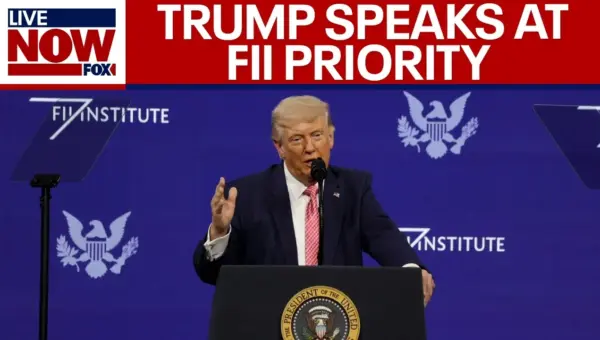
Trump Boasts Military Might, Slams Iran at Investment Summit
Former President Donald Trump spoke at the FII Priority Summit, detailing his administration's assertive stance against Iran and emphasizing the strength of the U.S. military. He claimed credit for dismantling Iran's military capabilities and preventing its nuclear ambitions. Trump also criticized NATO while praising Middle Eastern allies and touched on domestic issues like border security.


Iranian-American Comedian Uses Humor to Bridge Divides
Iranian-American comedian Max Amini is using his sold-out shows and growing platform to foster understanding amidst the ongoing war with Iran. He recently made history headlining Madison Square Garden, where he broke his usual silence on politics to address the protests within Iran. Amini aims to bridge cultural divides and challenge misconceptions about his heritage through humor and authentic storytelling.

Comedian’s Viral Skit Sparks Outrage, Exposes Political Hypocrisy
A viral comedy skit by Druski targeting Candace Owens has sparked intense backlash from MAGA supporters. Critics argue this outrage exposes a significant hypocrisy, contrasting it with the silence surrounding past offensive statements and actions by prominent Republican figures like Donald Trump. The incident highlights selective outrage and the complex role of satire in political discourse.