MAGA Stars Rebuke Trump Amid ‘Betrayal’ and Sinking Approval
Prominent MAGA figures are expressing disillusionment with Donald Trump, citing a deep sense of betrayal and a decline in his approval. Allies feel misled, comparing the situation to the Jeffrey Epstein scandal and expressing anger over perceived broken promises. The discussion highlights the emotional impact of the political climate and the challenges of leadership.

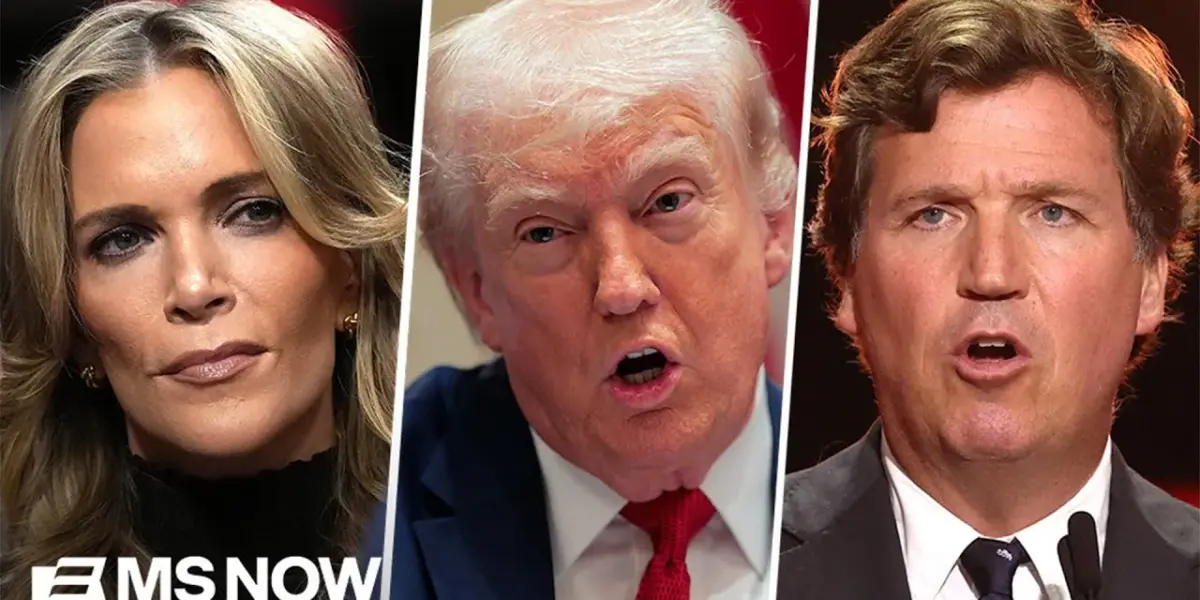
MAGA Allies Express Disillusionment with Trump
A growing number of prominent figures within the MAGA movement are publicly distancing themselves from former President Donald Trump, citing a deep sense of betrayal and a decline in his approval ratings. This shift comes as key allies, including media personalities like Laura Ingraham, Tucker Carlson, and Megyn Kelly, have openly criticized Trump’s actions and policies, particularly his stance on foreign intervention and a perceived departure from his core isolationist platform.
‘Betrayal’ Echoes Through Trump’s Base
The feeling of betrayal is particularly potent, amplified by recent controversies and a broader sense that Trump may not be the figurehead his supporters believed him to be. This sentiment is intensified by comparisons to the Jeffrey Epstein scandal, creating an emotional narrative where supporters feel misled. This has led to a palpable anger among some MAGA followers, who feel personally deceived by what they perceive as broken promises.
“It’s an emotional sense that you know daddy daddy said something to us and then he he lied to us and then he lied again to us and we are mad at daddy.”
Journalists Highlight Emotional Impact of Political Climate
Alex Wagner, host of ‘Runaway Country,’ discussed the emotional toll of covering the Trump administration’s impact on America. She noted that while the news can be overwhelming, personal stories help connect people to the issues. Wagner emphasized the importance of giving voice to the rage, dissatisfaction, and depression experienced by many citizens.
“We all feel worse. No, I never feel worse. I mean, I feel like the thing that makes me feel better is that 65% of the country is like, ‘Oh, yeah. No, I’m I’m don’t want that.’ Yeah. No, it’s true. It’s true. And it’s important, I think, for us to both inform them, but also give voice to the rage and dissatisfaction and depression and all of it because it’s an emotional experience we’re all living through.”
Critiques of Leadership and Moral Standards
The conversation also touched upon the perceived decline in moral standards for leadership. A retired master sergeant shared a visceral account of a U.S. missile strike on an elementary school in Iran, highlighting the emotional cost and ethical questions surrounding such actions. This incident, and others like it, are seen as stark examples of a leadership that prioritizes aggression and downplays human consequences.
Examples like the story of a former UFC fighter who cheered physical violence against a political opponent were cited as evidence of a concerning trend. The administration’s framing of conflict using terms like “lethality” and comparing it to video games was also scrutinized. This approach, critics argue, ignores the human cost and normalizes violence.
The ‘Daddy’ Figure and Paternalistic Connection
The unique, almost paternalistic relationship Trump cultivated with his base is central to understanding the current discontent. This intimate connection, described as “paternalistic,” is now being questioned as supporters feel lied to and betrayed. The emotional and almost religious fervor seen at Trump rallies, particularly among white Christian nationalists, is a key aspect of his enduring appeal.
However, questions are being raised about whether this emotional bond is fraying. Some believe that the more people are forced to defend Trump, the more they dig in, making it less about Trump and more about their own ego and identity. This can turn political disagreements into deeply personal and psychological battles.
Underlying Issues: Loneliness, Disengagement, and Anger
The discussion suggested that the support for Trump may stem from deeper societal issues like loneliness, disengagement, and a pervasive sense of anger. Rather than engaging on policy, conversations with Trump supporters often need to address these underlying feelings. The analogy of being in a cult was used, suggesting that direct intellectual debate is less effective than understanding and addressing the emotional needs being met by such political figures.
The abortion issue is noted as a key policy area where Trump is seen by many die-hard pro-life supporters as having delivered, particularly through his Supreme Court appointments. This success is considered a significant factor in maintaining loyalty, separate from other policy promises.
The Role of Survivors and Resilience
The resilience of survivors, particularly those of Jeffrey Epstein’s abuse, was highlighted as a source of hope and a potential model for societal healing. Their efforts to seek justice and bipartisan cooperation in Washington were presented as steps towards overcoming difficult moments. The courage required to share their stories and advocate for change was praised as a powerful example of tenacity.
Journalistic Challenges and Reporting on Extremism
The interview also delved into the challenges of journalistic reporting, especially when covering potentially dangerous groups. The experience of reporting on militias before the January 6th Capitol riot revealed their preparedness for violence and their belief that the election system was rigged. This reporting underscored the very real threat of domestic extremism and the importance of understanding the motivations behind it.
The difficulty in covering Trump, even years later, was acknowledged. The constant need to balance reporting on his actions with the potential for normalizing them presents an ongoing challenge for the media. The focus remains on understanding the mindset of those who feel betrayed by the system and are drawn to figures who promise radical change.
Looking Ahead: The Democratic Party’s Path
The conversation briefly touched upon the Democratic Party’s strategy, noting a wealth of talent but a tendency to shy away from direct confrontation. While acknowledging the challenges of unifying a broad coalition, there was hope that Democrats are learning to be more assertive and ambitious. Figures like Gavin Newsom were praised for their communication skills and willingness to embrace a more combative political style, suggesting a potential path forward for the party.
Source: 'Mad at daddy!' MAGA stars REBUKE Trump amid 'betrayal' and SINKING approval (YouTube)

Related Articles

Trump Ousts AG Bondi, Eyes Zeldin as Successor
Pam Bondi is out as Attorney General after one year, with Deputy AG Todd Blanche serving as Acting AG. President Trump confirmed the departure, praising Bondi and hinting at a new private sector role. Lee Zeldin is reportedly being considered as Bondi's permanent replacement, amid ongoing speculation about other cabinet changes.

Trump’s NATO Insults Spark Global Outrage, Allies Push Back
Former U.S. President Donald Trump's leaked private remarks, filled with insults aimed at NATO allies, have sparked international outrage and calls for European self-reliance. The comments highlight growing concerns about U.S. reliability and the potential for a long-term split in transatlantic relations. The discussion also touched upon domestic UK issues, including NHS strikes and political shifts, alongside a unique debate on marmalade regulations.

Trump Fires AG Bondi Amidst Barrage of Personnel Changes
Donald Trump has fired Attorney General Pam Bondi, her tenure marked by controversy and a short duration. This move continues a pattern of high turnover in key positions within the Trump administration, raising concerns about legal integrity and future appointments.