MAGA Movement Faces Scrutiny Amid Shifting Alliances
The MAGA movement is under scrutiny for its political strategies and controversies. Discussions cover Trump's reported acceptance of an Iran ceasefire, JD Vance's support for Victor Orban, and legal challenges. The analysis also touches on claims of propaganda influencing Republican politics towards the far-right.

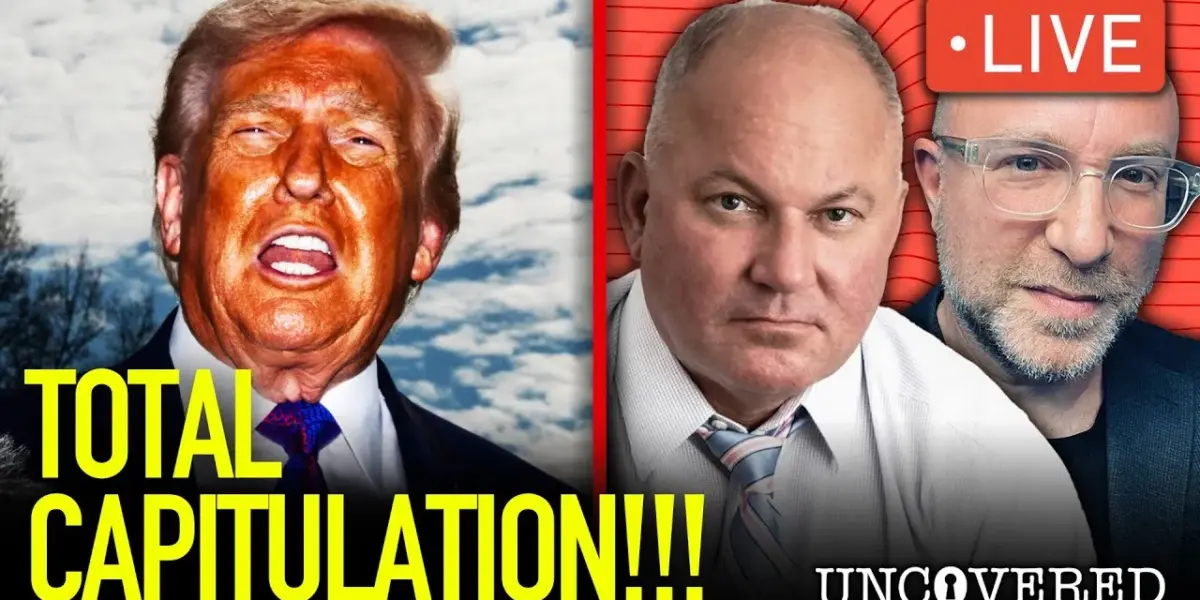
MAGA Movement Faces Scrutiny Amid Shifting Alliances
Recent discussions surrounding the MAGA movement highlight a series of complex political maneuvers and controversies. From foreign policy shifts to domestic legal battles, the movement appears to be navigating a turbulent period. This analysis delves into some of the key events and their potential implications.
Trump’s Stance on International Agreements
A significant point of discussion involves former President Trump’s reported acceptance of a ceasefire agreement with Iran. This development, framed by some as a “capitulation,” suggests a potential shift in diplomatic strategy. The details of this agreement and its long-term effects on international relations remain to be fully understood.
Domestic Political Alignments and Legal Challenges
On the domestic front, several figures associated with the MAGA movement are facing scrutiny. JD Vance’s campaign efforts for Victor Orban, the Prime Minister of Hungary, raise questions about international political alignments. Meanwhile, Todd Blanche taking over as Attorney General signals significant legal developments within the movement’s circle.
Concerns about the targeting of “sanctuary cities” by figures like Markwayne are also prominent. These policies often involve strict immigration enforcement and have drawn considerable debate. Additionally, the concept of “Christian nationalism,” as displayed by figures like Hegseth, is being examined for its influence on political ideology.
Concerns Over Free Speech and Legal Processes
The movement has also seen controversial statements regarding legal processes and freedom of the press. Trump’s alleged threats to jail journalists over missing airmen, if accurate, point to a concerning disregard for established journalistic protections. The refusal of figures like Bondi to testify in certain legal matters further complicates the picture, suggesting potential obstruction or a strategic withholding of information.
Broader Trends and Media Influence
These events are presented within the context of what hosts Anthony and Ron describe as an “epidemic of false propaganda.” They argue that this propaganda pushes Republican politics towards an “extreme far-right.” This claim suggests a deliberate effort to shape public opinion through misinformation, a tactic that has become increasingly prevalent in modern political discourse.
Historical Context and Future Outlook
The MAGA movement emerged from a specific set of political and social conditions in the late 2010s. It tapped into a sense of economic anxiety and cultural grievance among a segment of the American population. Its rise challenged established political norms and led to significant shifts in the Republican party’s platform and rhetoric.
The current controversies and strategic shifts could indicate a movement in transition. The effectiveness of its messaging, the loyalty of its base, and its ability to adapt to evolving political and legal landscapes will be crucial. The discussions around these issues, particularly those presented by outlets like MeidasTouch Network, aim to provide a critical perspective on the movement’s trajectory.
Why This Matters
Understanding these developments is vital for grasping the current state of American politics. The MAGA movement’s influence extends beyond its direct electoral impact; it shapes policy debates, cultural conversations, and the very nature of political discourse. Examining the accusations of propaganda, the strategic alliances, and the legal challenges provides insight into the forces shaping the nation’s future.
The willingness of political figures to engage in rhetoric that threatens journalists or challenges legal norms has significant implications for democratic institutions. Furthermore, the international dimensions of these political alignments, such as Vance’s support for Orban, suggest a growing interconnectedness of far-right movements globally. These are not isolated incidents but part of a larger pattern that warrants close observation.
The future outlook for the MAGA movement remains uncertain. Its ability to maintain momentum will likely depend on its leaders’ capacity to adapt to new challenges and to effectively counter criticisms. The ongoing scrutiny suggests that the movement’s actions and ideologies will continue to be a central focus of political analysis for the foreseeable future.
Source: LIVE: MAGA gets UNCOVERED as Trump SURRENDERS in WAR (YouTube)

Related Articles
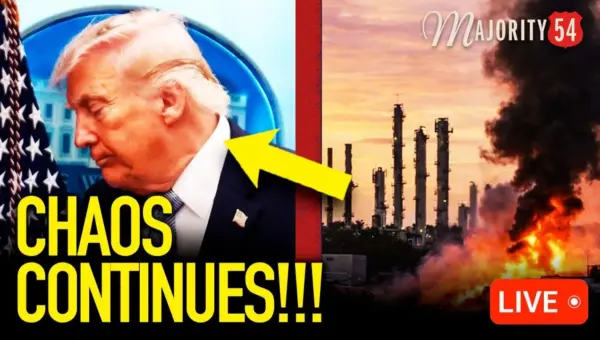
Trump’s Iran Deal Sparks Chaos, Questions Linger
President Trump's sudden ceasefire announcement with Iran has created significant confusion. Questions linger about control of the Strait of Hormuz and the actual U.S. gains. The move also faces backlash from within Trump's own base, highlighting broader political divisions.

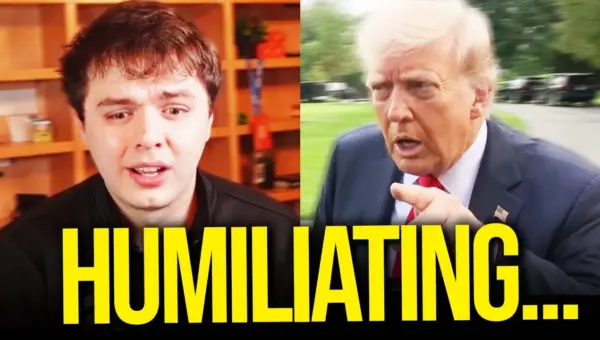
Trump’s Legal Losses Signal a Shifting Political Tide
Donald Trump has faced recent significant legal defeats in civil fraud and defamation cases. Analysts are discussing how these losses might impact his political standing and future electoral prospects, noting the complex interplay between legal challenges and public perception.

Democrats’ ‘Trump Derangement’ Fuels Negative Market Outlook
Commentary suggests Democratic opposition to Trump is driven by "Trump derangement," leading to overly negative reactions and overlooking potential positives. This intense political focus can increase uncertainty, potentially impacting investor sentiment and market stability.