MAGA Influencers Clash Over Israel’s Role in Trump’s Iran Standoff
Prominent MAGA influencers are publicly clashing over the extent to which Israel's foreign policy influenced Donald Trump's decisions regarding Iran. Senator Marco Rubio's statements have ignited a debate, exposing a deep ideological rift within the conservative movement concerning "America First" principles and foreign influence.

MAGA Influencers Clash Over Israel’s Role in Trump’s Iran Standoff
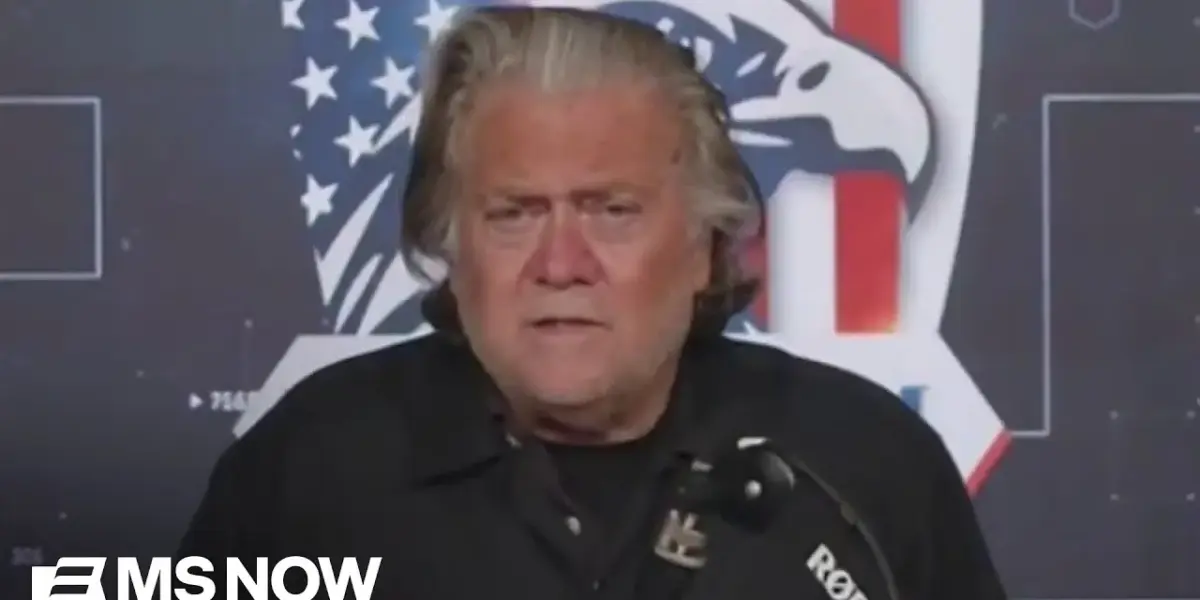
A significant rift has emerged within the Make America Great Again (MAGA) movement, fueled by revelations and public statements concerning the role of Israel in former President Donald Trump’s decision-making regarding a potential military confrontation with Iran. Influencers and commentators associated with the MAGA sphere are fracturing over the extent to which Israel’s foreign policy objectives may have influenced or dictated U.S. military actions, creating a deep ideological fault line within the conservative coalition.
Senator Rubio’s Statements Spark Controversy
The current debate was significantly amplified by statements made by Senator Marco Rubio. His public narrative suggested that the U.S. response to provocations was, in part, a reaction to Israel’s impending actions, implying a lack of U.S. independent decision-making power. This perspective, if accurate, suggests that the United States may have been compelled to act militarily in Iran due to Israel’s strategic calculus, a notion that has deeply unsettled many within the MAGA base.
One of the most vocal critics emerged from within the MAGA media ecosystem. Matt Walsh of The Daily Wire, a prominent right-wing influencer, took to social media to express his strong disagreement with Rubio’s framing. “So he is flat out telling us we are in a war with Iran because Israel forced our hand,” Walsh tweeted. “This is basically the worst possible thing he could have said.” Walsh’s reaction highlights a core tension within the MAGA movement: the perceived influence of foreign powers, particularly Israel, on American foreign policy and military engagements.
A Deepening Ideological Fault Line
The controversy surrounding Israel’s influence has exposed and exacerbated a long-standing ideological division within the MAGA coalition. This fault line has been developing for some time, with figures like Alex Jones and Nick Fuentes, along with a segment of the MAGA media, consistently emphasizing what they view as excessive American entanglement in foreign conflicts driven by external interests. This perspective often aligns with an isolationist, “America First” stance, where any perceived subservience to foreign governments, especially concerning military action, is seen as a betrayal of national sovereignty.
The current situation has led to a resurgence of these isolationist sentiments. Many within this faction of the MAGA movement feel that their core principles are being undermined if U.S. military actions are perceived as being dictated by Israeli policy. This sentiment is particularly potent among groups like the “Groypers,” who have gained traction by linking various political issues back to concerns about foreign influence and interventionism.
“This is a major fault line in the larger MAGA coalition for a while… How much power and influence do we actually want Israel to have over our politics? And then, separate from that, how much tolerance are we going to have for the mere perception of that narrative thread.”
The narrative that Donald Trump, often portrayed as a strong, decisive leader, was not fully in control of the decision to engage militarily with Iran, but rather was acting at the behest of another nation, has created a significant rupture. For those who have staunchly supported Trump, this revelation is particularly jarring, suggesting that the “strongman” they championed may have been influenced by external pressures, thereby undermining his image as an independent decision-maker.
Netanyahu’s Alleged Role in Escalation
Further complicating the narrative, reporting suggests that Israeli Prime Minister Benjamin Netanyahu played a key role in shaping the events leading to the current military posture. According to accounts, Netanyahu visited Mar-a-Lago in late December and reportedly discussed with Trump the possibility of an Israeli strike against Iran in the first half of 2026. During this meeting, Netanyahu allegedly conveyed that Israel would likely proceed with such action and sought American support and protection.
This alleged conversation is seen by some as planting the seed for a joint U.S.-Israeli military operation. Over the subsequent weeks, as Trump navigated various domestic and international policy decisions, there was an increasing push from Netanyahu, leading to the current situation. Reports indicate that Trump may have proceeded without the full consensus of his own advisors, but with strong counsel that the U.S. needed to be part of the operation, with Netanyahu filling a perceived strategic vacuum.
Adding another layer to Trump’s decision-making, he reportedly emerged from a successful operation in Venezuela in early January feeling confident about the swift and easy application of U.S. military force. This perceived success may have contributed to an inclination to believe that a similar outcome could be achieved in Iran, potentially downplaying the complexities and risks involved.
Military Risks and Strategic Concerns
Beyond the political infighting, significant military risks are associated with the current confrontation. The decision to potentially deploy naval assets, such as leading ships through the Strait of Hormuz, presents a tremendous risk to U.S. Navy personnel. The strait, a narrow 21-mile passage, is a highly contested area where threats like sea mines could be encountered.
While Trump has claimed to have degraded Iran’s naval capabilities, significant threats remain. The movement of oil through the Strait of Hormuz is a critical global economic interest, and any military action in the region carries substantial implications for international energy markets and global security. The strategic rationale behind these deployments and the potential consequences for American service members are at the forefront of military and diplomatic discussions.
Broader Implications for “America First”
The internal conflict within the MAGA movement over Israel’s role has profound implications for the future of the “America First” agenda. The core tenet of “America First” often emphasizes non-interventionism and prioritizing domestic interests above all else. However, the current situation, where U.S. military actions are perceived by some as being driven by foreign interests, directly challenges this principle.
This debate also touches upon deeply sensitive issues, including the potential for anti-Semitism to be fueled by narratives of undue foreign influence. The “America First” movement, which champions isolationist tendencies, finds itself in a complex position when the perceived influence of Israel on U.S. policy runs counter to its non-interventionist ideals. Senator Rubio’s statements, by validating a key fear for a significant segment of the MAGA base, have effectively framed the current conflict as a pivotal moment for the movement to define its stance on foreign alliances and national sovereignty.
What’s Next for the MAGA Coalition?
The fracturing within the MAGA movement over the role of Israel in the Iran standoff is likely to continue. The coming weeks will be crucial in determining how these internal divisions evolve and whether a unified stance can be reached. The extent to which Donald Trump addresses these concerns, and the clarity provided by his administration regarding the decision-making process, will be closely watched. Furthermore, the ongoing military developments in the Persian Gulf and the strategic responses from Iran and its allies will undoubtedly shape the discourse and potentially intensify the debate within the MAGA coalition and beyond.
Source: MAGA influencers fracture over the role Israel played in Trump’s decision to attack Iran (YouTube)

Related Articles

US Strikes Iran: Trump Cites Negotiation Failure, Markets Reel
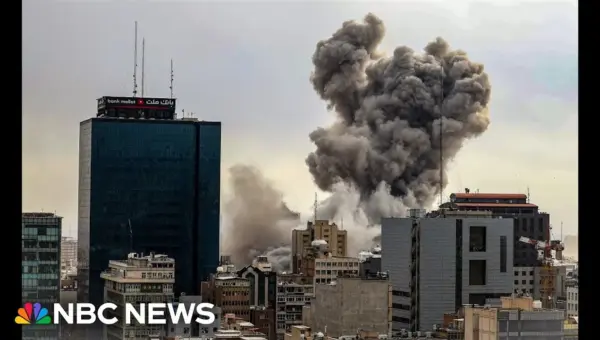
The U.S. and Israel have launched joint military strikes against Iran, killing Supreme Leader Ali Khamenei and igniting regional conflict. President Trump cited failed negotiations as the catalyst, while economic markets reacted with surging oil prices. The U.S. plans naval escorts for tankers and is arranging evacuations for citizens in the affected region.

Texas Democrat: Trump Voters Show ‘Buyer’s Remorse’
Texas Democrat Rep. Henry Cuellar suggests that some voters who supported Donald Trump are experiencing 'buyer's remorse' due to persistent economic issues like high grocery prices and tariffs. Cuellar believes these concerns, coupled with immigration policy debates, are creating an opening for Democrats in South Texas.
US Strikes Iran: McMaster Explains Objectives Amidst Regional Tensions
Former National Security Advisor H.R. McMaster detailed the U.S. military's immediate objectives in striking Iran, focusing on denying destructive weapons and countering proxy warfare. He indicated that lasting regional security may require a fundamental change in Iran's government, driven by its own people.