MAGA Fractures: Trump’s Iran War Sparks Conservative Backlash
Prominent conservative voices, including Fox News personalities and former allies, are openly criticizing Donald Trump's military actions in Iran. This backlash signals a deep fracture within the MAGA movement, challenging the core tenets of "America First" and raising questions about the President's leadership and the future of his base.

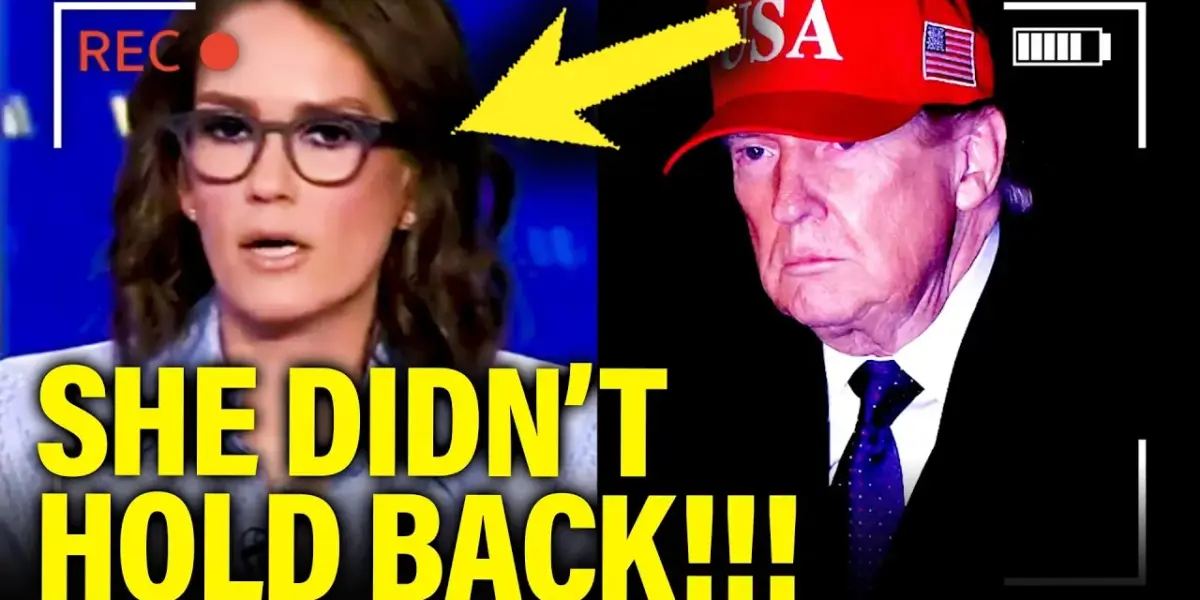
MAGA Fractures: Trump’s Iran War Sparks Conservative Backlash
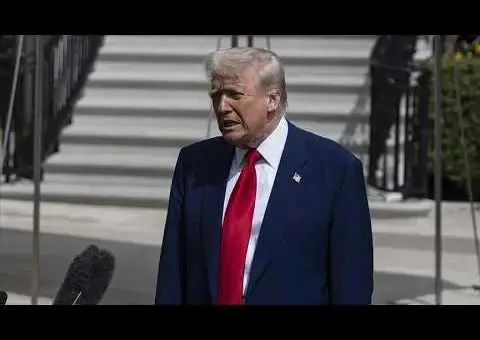
A seismic shift appears to be underway within the heart of the MAGA movement. What was once a unified front of support for Donald Trump is now showing significant cracks, particularly in the wake of recent military actions in Iran. Far from rallying his base, the decision to engage in what critics are calling an “illegal war” has triggered open dissent from prominent conservative voices, including those who were once staunch allies and architects of Trump’s media ecosystem. This internal conflict raises profound questions about the future of the “America First” agenda and the very identity of the conservative movement.
The Unraveling of “America First”?
The “America First” doctrine, a cornerstone of Trump’s political platform, has historically championed non-interventionism and a focus on domestic issues. Yet, the recent military campaign against Iran seems to have directly contradicted these principles, leading to accusations of hypocrisy and a betrayal of core MAGA tenets. Figures like Tucker Carlson and Meghan Kelly, once pillars of conservative media, have publicly questioned the justification and human cost of the strikes. Carlson, in a particularly strong condemnation, labeled the bombing campaign as “absolutely disgusting and evil,” while Kelly expressed deep skepticism about its necessity and the potential for casualties.
The transcript highlights a sentiment echoed by many: a sense of disillusionment among those who supported Trump precisely because of his anti-war rhetoric. “I want to say what is happening to the man that I supported, you supported, the man that that denounced what happened in Iraq, the man that said no more foreign wars, no more regime change,” a commentator laments, articulating a widespread feeling of being let down.
This internal criticism is not limited to media personalities. Politicians like JD Vance and Tulsi Gabbard, who have previously aligned with a more isolationist stance, would likely find themselves on the opposing side of such military engagement if not part of the administration. Gabbard’s departure from the Democratic Party, partly attributed to her opposition to what she termed “useless wars” instigated by figures like Hillary Clinton, underscores the deep-seated aversion to foreign entanglements within certain conservative and independent circles.
Shifting Justifications and Eroding Trust
A significant point of contention has been the shifting rationale provided by the administration for the military action. Explanations have reportedly morphed from addressing nuclear threats to ballistic missiles, and even to biblical theology, leaving many confused and distrustful. “None of us here heard about Iran having missile technology that was that advanced being able to range the United States or being close to obtaining a nuclear weapon,” one observer notes, pointing out the inconsistency with previous presidential statements that the Iranian nuclear program had been “obliterated.”
This lack of a clear, consistent, and verifiable justification has fueled skepticism and amplified the criticisms. The transcript suggests that Trump’s response to this internal dissent has been to dismiss critics and attack those who disagree, insisting that “MAGA loves what I’m doing.” However, this assertion appears to be increasingly unconvincing to many within his own base.
Historical Echoes and the “Forever War” Dynamic
The current situation is not without historical precedent. The transcript recalls Trump’s own past tweets from 2012, where he speculated that President Obama might launch a strike on Libya or Iran to boost his poll numbers. This parallel raises concerns that the current military action might be serving a similar purpose: a distraction from domestic challenges or a perceived weakness in his administration.
Furthermore, some commentators see the war as echoing the very “forever war” dynamics that Trump once vehemently opposed. The involvement of allies, the potential for prolonged engagement, and the human and economic costs all bear resemblance to the conflicts that fueled Trump’s rise to power on a platform of ending such interventions.
The Geopolitical and Economic Fallout
The repercussions of the conflict extend far beyond the political arena. The transcript details significant geopolitical and economic disruptions: rising energy prices, attacks on critical infrastructure, warnings to Americans in multiple countries to leave, and increased costs for ensuring oil tanker safety. Commercial air travel in the Middle East has been severely restricted, leaving thousands of Americans stranded, raising questions about the lack of an evacuation plan.
The economic impact is palpable, with reports of gas prices soaring and the stock market plunging. The cost of ensuring oil tankers has also risen significantly, further straining global supply chains. This broader instability, coupled with the loss of American lives, is creating widespread anxiety and voter skittishness, with polls indicating significant public disapproval of the strikes, even among Republican voters.
Why This Matters
The fracturing of the MAGA movement over foreign policy is a critical development with far-reaching implications. It challenges the narrative of a monolithic conservative base and highlights a deep strategic frustration within the movement that propelled Trump to power. The anti-war, non-interventionist strand of MAGA feels betrayed by yet another Middle East conflict, suggesting a potential erosion of enthusiasm and support at a crucial political juncture.
The inability of the administration to articulate a coherent and consistent rationale for the war, coupled with the evident human and economic costs, is raising serious questions about President Trump’s leadership on national security. The divergence between his actions and the “America First” principles he espoused could alienate a significant portion of his base, impacting future electoral prospects.
Implications, Trends, and Future Outlook
The current dissent within the MAGA movement suggests a potential realignment of conservative priorities. The emphasis may shift further towards a more isolationist foreign policy, or it could lead to a more nuanced debate about America’s role in the world, unburdened by the need to conform to a singular Trump-centric vision. The trend indicates that “America First” may be evolving, or at least being contested, from within.
The future outlook is uncertain. If Trump continues to dismiss internal criticism and double down on his current course, he risks alienating key segments of his support base. Conversely, if he pivots or provides a more compelling justification, he might regain some of the lost ground. However, the immediate impact of this internal backlash is a clear signal of division and potential panic within his political operation, particularly in a critical midterm election year where base enthusiasm is paramount.
The conflict also underscores a broader societal debate about interventionism versus isolationism, a debate that has long simmered within American politics and is now being brought to a boil by the actions in Iran. The willingness of once-loyal conservative voices to publicly challenge the President on such a critical issue signifies a moment of significant introspection and potential change within the political landscape.
Source: Trump ERUPTS as Fox BLAST HIM over ILLEGAL WAR (YouTube)

Related Articles
US Strikes Iran Amidst Conflicting White House Messages
The United States has launched airstrikes against Iran, but the White House is struggling to present a unified message, causing division within the MAGA base and straining UK-US relations. Conflicting statements from officials and President Trump himself have fueled domestic criticism and international confusion.
Texas Redux: GOP’s Self-Inflicted Wounds Fuel Democratic Hopes
The Texas primary has exposed deep fissures within the Republican party, highlighting Latino voter shifts and a costly Senate runoff. Analysts suggest this, combined with Trump's controversial actions, creates a challenging landscape for the GOP and a potential opening for Democrats.
US-Israel Strike Iran’s Police State, Trump Eyes ‘Maduro Model’
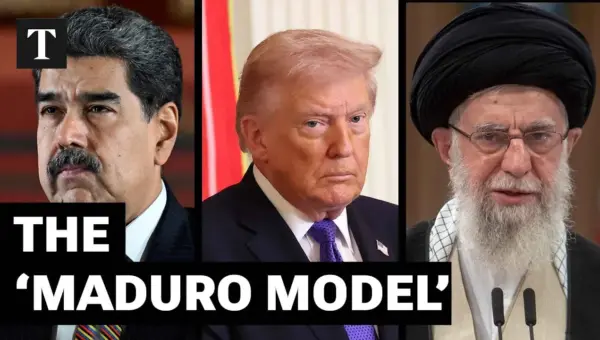
The U.S. and Israel have launched a significant aerial assault targeting Iran's internal security forces, aiming to degrade the regime's capacity for repression. Amidst the strikes, President Trump has alluded to a potential "Maduro model" for leadership transition, while experts caution about the challenges of fostering internal dissent under duress.