MAGA Echoes: Draft Fears Ignite After Trump Ally’s Bold Statement
Karoline Leavitt's statement on keeping military options open, including a potential draft, has ignited panic and backlash within the MAGA movement. The response highlights deep-seated anxieties about foreign wars and a perceived contradiction with campaign promises.

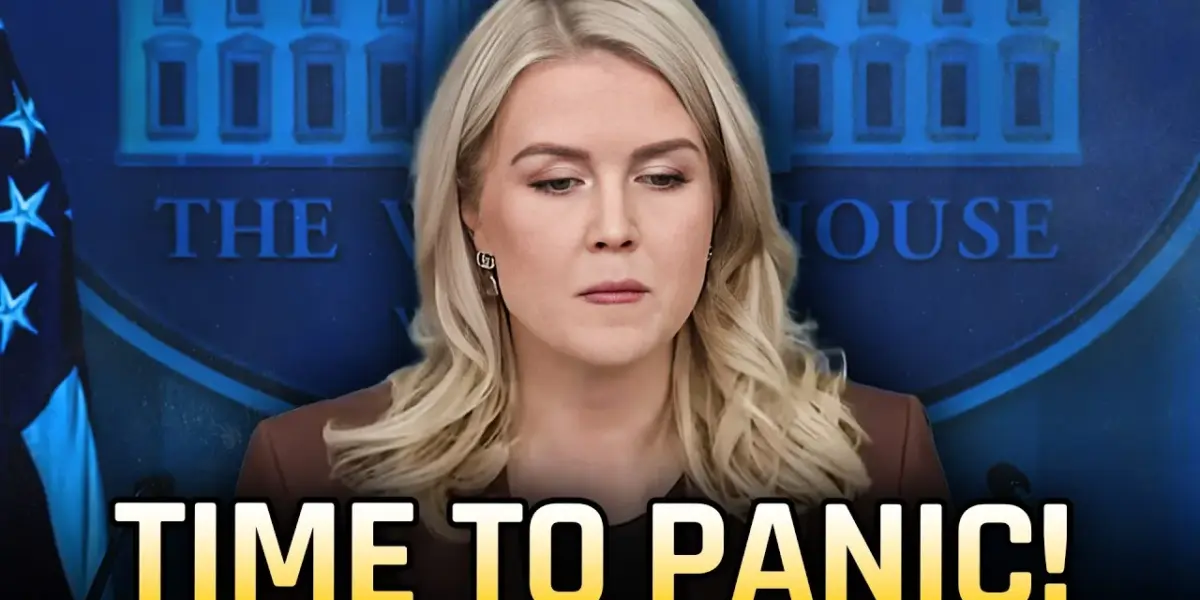
MAGA Echoes: Draft Fears Ignite After Trump Ally’s Bold Statement
A recent appearance by Karoline Leavitt, a spokesperson associated with the MAGA movement, on Fox Business has sent ripples of concern and, according to some observers, panic through conservative circles. The controversy stems from Leavitt’s response to a question regarding President Trump’s potential plans for troop deployment, specifically addressing fears of a military draft and ‘boots on the ground’ in ongoing geopolitical conflicts.
The Incendiary Question and Leavitt’s Response
During an interview with Maria Bartiromo, Leavitt was presented with a scenario reflecting anxieties among mothers about a potential draft and their children being sent into conflict. The question framed the situation as a worry about deploying troops for a ‘completely useless cause that doesn’t even exist.’ The interviewer seemingly set the stage for a reassuring response, a ‘softball’ intended to quell public apprehension.
However, Leavitt’s reply deviated sharply from expectations. Instead of offering a definitive ‘no’ to the possibility of a draft or increased troop deployment, she stated, “President Trump wisely does not remove options off of the table. I know a lot of politicians like to do that quickly, but the president as commander-in-chief wants to continue to assess the success of the military operation. It’s not part of the current plan right now, but the president again wisely keeps his options on the table.”
This carefully worded response, which declined to rule out a draft or the deployment of troops, was interpreted by many, particularly within the MAGA base, as a tacit admission that such actions were indeed possibilities. The implication that ‘all options are on the table,’ including a draft and ‘boots on the ground,’ ignited a significant backlash.
The MAGA Backlash: Accusations of Betrayal and Incompetence
The reaction from within the MAGA movement was swift and severe. Marjorie Taylor Greene, a prominent Republican congresswoman, voiced her outrage, stating, “How about the answer is no draft and no boots on the ground because we ch we campaigned on no more foreign wars or regime change. Liars. Every single one of them. Not my son. over my dead body.” She further condemned those she deemed ‘psycho republicans’ who supported such policies, listing figures like Lindsey Graham and Mark Levin, and labeling them as ‘murderous, bloodthirsty maniacs that support this America last war.’
The sentiment was echoed on other platforms. Hosts on Real America’s Voice, alongside Republican lawmaker Bob, expressed concern, with one host noting that while ‘boots on the ground’ and a draft might be ‘red lines,’ the initial act of attacking Iran was already a significant escalation. There was a palpable sense of unease that the goalposts for what constitutes an unacceptable military commitment were shifting.
The frustration extended to a perceived lack of clarity and potential for deception. One host lamented, “No war ever starts out as a big war, right? They always start out slow. We’re always told it’s not going to be a forever war.” This highlights a deep-seated distrust of government narratives surrounding military interventions, a sentiment amplified within the MAGA base.
Analysis: The Dissonance Between Rhetoric and Reality
Leavitt’s statement, while perhaps intended to convey strategic flexibility, inadvertently tapped into a core anxiety within a segment of the electorate that campaigned on an anti-interventionist platform. The MAGA movement, in particular, has often expressed skepticism towards foreign entanglements and a desire to focus on domestic issues. The idea of a renewed draft or large-scale troop deployments directly contradicts this perceived mandate.
The criticism leveled by figures like Marjorie Taylor Greene underscores a potential ideological rift. While Trump himself has historically taken varied stances on foreign policy, the base often coalesces around a more isolationist or non-interventionist message. Leavitt’s adherence to the idea of keeping ‘all options on the table’ was seen by some as a betrayal of this core principle, particularly when contrasted with the campaign promises of avoiding ‘endless wars.’
Furthermore, the commentary from the transcript reveals a broader critique of communication and influence within conservative media. The speaker expresses exasperation with the perceived intellectual capacity of some MAGA influencers, stating, “They are so dumb. They are so inarticulate. And yet they reach millions and millions of people every day. People that are somehow dumber than they are.” This highlights a concern that powerful, albeit arguably unsophisticated, narratives are shaping public opinion and potentially leading to dangerous policy blind spots.
Historical Context: The Specter of the Draft
The fear of a military draft is a deeply ingrained anxiety in American society, particularly for generations that lived through the Vietnam War. The draft represented a direct and personal imposition of the state’s will, requiring young citizens to potentially risk their lives in conflicts they might not fully understand or support. The abolition of the draft in favor of an all-volunteer force in 1973 was a significant shift, intended to professionalize the military and reduce public anxiety about conscription.
However, the specter of its return has periodically resurfaced during times of heightened international tension or prolonged military engagements. For a political movement that often champions individual liberty and criticizes government overreach, the idea of a mandatory draft represents a profound violation of personal autonomy and a return to a more intrusive form of state power. Leavitt’s failure to decisively reject this possibility thus struck a particularly sensitive nerve.
Why This Matters
This incident highlights several critical points about contemporary American politics and public discourse:
- The Power of Narrative Control: Leavitt’s statement, regardless of intent, demonstrates how carefully chosen words can trigger deeply held fears and galvanize opposition, especially when they appear to contradict campaign promises.
- Ideological Divisions within Movements: The strong backlash suggests that even within a seemingly unified movement like MAGA, there are significant differences in opinion on core issues like foreign policy and the role of government.
- The Role of Media and Influence: The commentary points to a growing concern about the influence of media figures who may lack substance but command large audiences, shaping public perception and political discourse.
- Public Anxiety over Geopolitics: The underlying fear of a draft and ‘boots on the ground’ reflects a broader public weariness with prolonged military interventions and a desire for peace, particularly among parents.
Implications, Trends, and Future Outlook
The ‘bombshell’ dropped by Leavitt, and the subsequent panic, suggests that foreign policy, particularly concerning the potential for escalation and conscription, remains a potent and sensitive issue for a significant portion of the electorate. The MAGA movement, which often positions itself as a counter-establishment force, may find itself increasingly scrutinized on its commitment to non-interventionist principles.
The trend towards a more isolationist stance within certain factions of the Republican party is likely to continue, fueled by anxieties about the costs of foreign wars, both in terms of human lives and financial resources. Leavitt’s statement, and the reaction to it, could serve as a cautionary tale for political figures seeking to navigate these complex issues. Any suggestion of expanding military commitments, especially those that evoke the specter of a draft, will likely be met with fierce resistance.
Looking ahead, the debate over America’s role in global conflicts is far from settled. The careful balancing act between maintaining national security interests and avoiding costly, protracted engagements will continue to be a central theme in political discourse. The incident also underscores the growing importance of scrutinizing the language used by political figures and media personalities, particularly when it touches upon issues with profound personal implications for citizens.
Ultimately, the panic within MAGA circles over Leavitt’s remarks serves as a stark reminder that for many, the promise of ‘no more foreign wars’ is not merely a slogan, but a deeply held conviction that influences their political allegiances. The challenge for leaders will be to reconcile this sentiment with the evolving realities of international relations, ensuring that transparency and honesty guide their decisions, lest they find themselves facing a similar storm of public outcry.
Source: MAGA PANICS After Karoline Leavitt Drops Bombshell (YouTube)

Related Articles
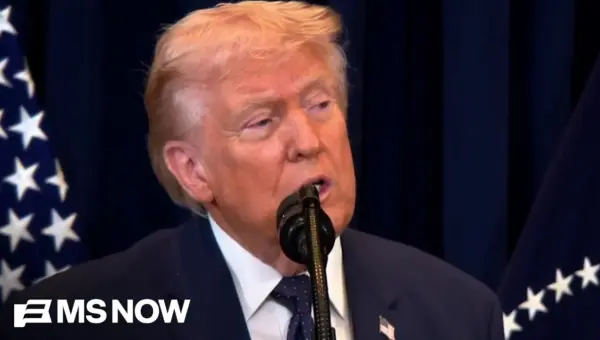
Trump Faces Backlash Over Iran School Bombing Claims
Donald Trump faces mounting criticism from his own base and media allies over his statements regarding the bombing of a girls' school in Iran. Reports suggest U.S. responsibility for the strike, yet Trump has offered alternative explanations, drawing skepticism and challenging the administration's messaging on the conflict.

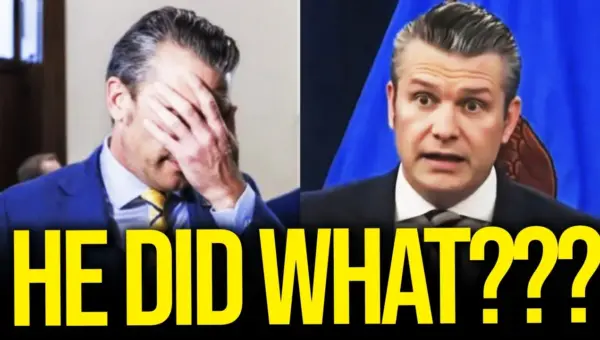
Pentagon’s Lavish Spending Fuels War Outcry
Revelations of the Pentagon's $93 billion monthly spending, including lavish items like lobster and grand pianos, have sparked outrage. The analysis questions fiscal priorities amidst international tensions and highlights concerns over strategic ambiguity and accountability in defense spending.
Trump Dismisses Polls, Focuses on Iran War End
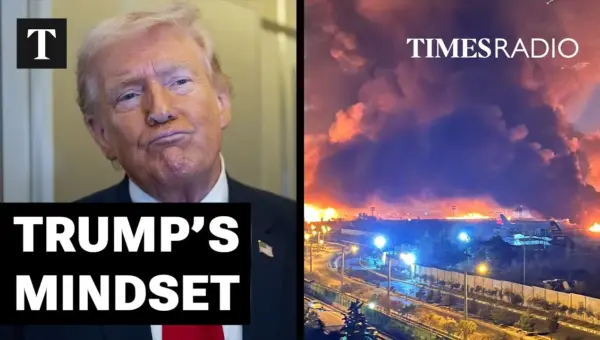
Former President Donald Trump has indicated a personal conviction guiding his approach to the Iran conflict, prioritizing his belief in the 'right thing' over poll numbers or party building. He suggested the war is nearing an end, despite concerns over global energy costs and an ongoing investigation into a missile strike.