Mafia’s Deadliest Hits: From Capone to Gotti’s Reign
From the infamous St. Valentine's Day Massacre to the brutal slaying of young Giuseppe Di Matteo, a deep dive into mafia history reveals 20 of the most chilling assassinations. These hits highlight the ruthless power struggles, betrayals, and violence that defined organized crime.

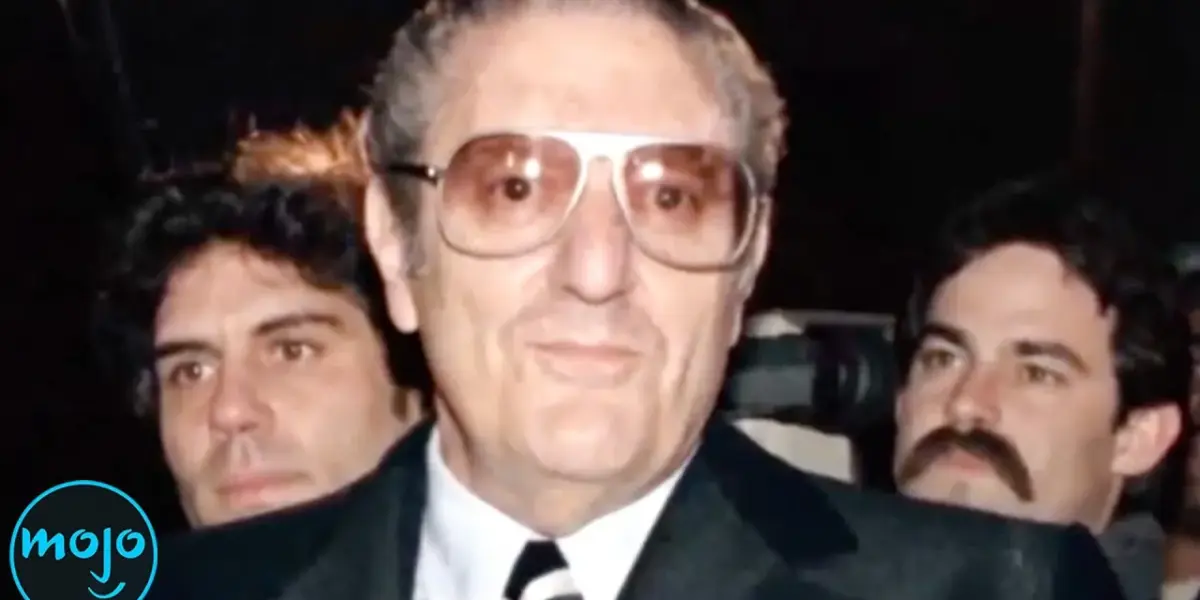
The Mafia’s Most Infamous Hits: A Descent into Gangland Violence
The shadowy world of organized crime is often romanticized in film and literature, but the reality is far more brutal. From the roaring twenties to the late 20th century, the American mafia orchestrated countless acts of violence, leaving a trail of bodies and shattered lives in their wake. A recent deep dive into the annals of mob history has illuminated 20 of the most infamous assassinations, revealing a chilling pattern of power struggles, betrayals, and ruthless ambition that defined the era of the gangster.
The St. Valentine’s Day Massacre: Capone’s Ruthless Power Play
No discussion of mafia hits would be complete without mentioning the St. Valentine’s Day Massacre. On February 14, 1929, seven men associated with Chicago’s North Side mob were lined up and gunned down by four assailants wielding Tommy guns. The brazen act, widely believed to be ordered by Al Capone to eliminate rival Bugs Moran, remains synonymous with mob violence. While officially unsolved, the massacre cemented Capone’s reputation as a ruthless kingpin and sent shockwaves across the nation, becoming an international news sensation.
The Rise of Lucky Luciano: A Corporate Restructuring of the Mob
The early 1930s saw a dramatic shift in the mafia’s hierarchy, largely orchestrated by Charles “Lucky” Luciano. After a bloody war for control of New York’s criminal enterprises, Luciano betrayed his boss, Joe Masseria, and then orchestrated the assassination of Salvatore Maranzano, the self-proclaimed “boss of bosses.” These calculated hits, culminating in Maranzano’s execution in his Park Avenue office on September 10, 1931, marked the end of the old guard and the birth of the modern mafia. Luciano abolished the “boss of bosses” title and established the Commission, a governing body that brought a semblance of business-like structure to the mob.
Dutch Schultz: A Rambling Demise
Some mobsters met their end with chilling efficiency, while others met bizarre fates. Dutch Schultz, a volatile bootlegger who planned to assassinate a US prosecutor, became a liability to the Commission. On October 23, 1935, hitmen from Murder, Inc. ambushed Schultz in a Newark restaurant. He didn’t die immediately, lingering for hours and babbling surreal, poetic nonsense, famously including the line, “A boy has never wept nor dashed a thousand Kim.” His death, on October 24, 1935, at the age of 33, remains one of gangland history’s most peculiar exits.
Bugsy Siegel: The Vegas Visionary’s Downfall
Benjamin “Bugsy” Siegel, a notorious gangster instrumental in the development of Las Vegas, met a violent end on June 20, 1947. Despite his charm and significant mob funding for his Flamingo Hotel project, the venture spiraled over budget, leading to debt and suspicion of embezzlement. A contract was placed on his life, and he was ultimately shot and killed by a sniper while reading in his girlfriend’s home. The shooter was never identified, leaving another unsolved mystery in the mob’s bloody ledger.
Albert Anastasia: The “Lord High Executioner” Meets His End
Albert Anastasia, a co-founder of the American Mafia and head of Murder, Inc., was a figure of immense brutality, earning nicknames like “Lord High Executioner.” His ruthlessness, however, bred dangerous enemies. On October 25, 1957, Anastasia was assassinated while getting a haircut at the Park Sheraton Hotel. Two gunmen burst in and gunned him down, with orders allegedly coming from rival crime boss Vito Genovese and Carlo Gambino, who would go on to lead the Gambino family.
“Crazy Joe” Gallo and Sam Giancana: Celebrity Status Couldn’t Save Them
Even a celebrity lifestyle couldn’t shield some mobsters from the consequences of their actions. “Crazy Joe” Gallo, a renegade member of the Colombo family, was known for hobnobbing with actors and even inspired a Bob Dylan song. His open rebellion, however, led to his assassination on April 7, 1972, during his 43rd birthday celebration at Umberto’s Clam House. The brazen hit, which saw gunmen storm the restaurant, remains iconic for its cinematic setting. Similarly, Sam Giancana, the flamboyantly public boss of the Chicago Outfit with ties to Frank Sinatra and the Kennedy administration, was shot and killed in his own basement in June 1975, just days before he was scheduled to testify to the Senate about CIA and mafia collaboration. His death fueled decades of conspiracy theories.
Jimmy Hoffa: The Disappearance That Shook the Nation
The disappearance of Jimmy Hoffa on July 30, 1975, remains one of the most enduring mysteries of the 20th century. The powerful Teamsters president vanished from a restaurant parking lot in Michigan. Deeply entrenched with the mob, Hoffa’s plans to regain control of the Teamsters Union threatened their financial interests. Though his body was never found, sparking rumors of burial in distant swamps, it is widely accepted that he was murdered. In the eyes of the law, it’s a cold case, but history largely regards it as one of the most successful and disciplined hits in mafia history.
Danny Greene: The “Teflon Irishman” Finally Falls
Cleveland became known as “Bomb City, USA” thanks to Danny Greene, the fearless leader of the Celtic Club. Greene, an Irish mobster, openly taunted the Italian mafia and survived numerous assassination attempts. His luck, however, ran out on October 6, 1977, when he was killed by a massive car bomb detonated remotely. The explosion rocked the neighborhood, ending the life of the “Teflon Irishman.” The subsequent investigation, however, helped topple mob bosses across the country.
Carmine Galante: The “Cigar” Meets His End
Carmine Galante, known as “The Cigar” for his smoking habit, served as acting boss of the Bonanno crime family in the late 1970s. His ambition and brazen violence led to a war with the Gambino family and concern from other crime bosses. On July 12, 1979, three masked men entered a Brooklyn restaurant and shot Galante to death, with the cigar still dangling from his mouth. His assassination was ordered by the Commission, highlighting the internal policing of the mafia.
Dominick Napolitano: The Price of Betrayal
Dominick “Sonny Black” Napolitano, a capo in the Bonanno family, became infamous for unwittingly mentoring FBI agent Donnie Brasco. When Brasco’s true identity was revealed, the mafia code demanded retribution. Knowing his fate was sealed, Napolitano was pushed down a basement staircase and shot to death in August 1981. His body, recovered a year later with severed hands, served as a grim warning to others about allowing informants into their ranks.
Roy DeMeo: The Executioner Becomes the Executed
Roy DeMeo headed a crew for the Gambino family suspected of up to 200 murders, utilizing a horrific method known as the “Gemini method.” This involved luring victims to the Gemini Lounge, shooting them, and draining their bodies of blood in a bathtub for easier disposal. DeMeo’s efficiency eventually terrified his own bosses. By 1983, with the FBI closing in, Paul Castellano decided the executioner had become a liability. On January 10, 1983, DeMeo was found in the trunk of his Cadillac, riddled with bullets, frozen in the fetal position.
Paul Castellano and Thomas Bilotti: Gotti’s Ascent
Paul Castellano, head of the Gambino crime family, was assassinated on December 16, 1985, outside Spark Steakhouse. His refusal to attend a wake and his promotion of Thomas Bilotti angered John Gotti and other conspirators. Gotti orchestrated the hit, which saw Castellano and Bilotti gunned down by four men in trench coats. This assassination paved the way for Gotti to take control of the Gambino family.
Tony Spilotro: The Las Vegas Enforcer’s Brutal End
Tony Spilotro, the Chicago Outfit’s main enforcer in Las Vegas, ensured the mob’s skim operations ran smoothly. However, he drew too much heat and defied orders, leading the bosses to lose patience. In June 1986, Tony and his brother Michael were lured to a meeting, brutally beaten, and buried in an Indiana cornfield. The 2007 Family Secrets Trial revealed they were beaten to death in an Illinois basement before being transported to the cornfield, signaling the end of the Outfit’s golden era in Vegas.
Angelo Bruno: The “Gentle Don’s” Unauthorized End
Angelo Bruno, known as the “Gentle Don,” ruled the Philadelphia crime family for two decades with a preference for bribery over bullets. However, his reign ended abruptly on March 21, 1980, with a single shotgun blast behind the right ear. The unauthorized assassination was engineered by his own consigliere, Antonio Caponigro, who mistakenly believed the Commission would sanction the coup. Bruno’s death plunged the Philadelphia underworld into a bloody, decade-long civil war.
Giovanni Falcone: A Prosecutor’s Sacrifice
While the American mafia saw its share of violence, the Sicilian mafia was also engaged in a brutal war. Giovanni Falcone, a tenacious Italian prosecutor, led the famous Maxi Trial, resulting in hundreds of convictions. His efforts made him a target, and on May 23, 1992, the mafia retaliated. They detonated nearly 900 pounds of explosives under a bridge as Falcone’s car drove over it, killing him and several others. This act of terror was a direct response to his crackdown on organized crime.
Giuseppe Di Matteo: The Mafia’s Most Tragic Victim
Following the assassination of Giovanni Falcone, the mafia targeted Santino Di Matteo’s young son, Giuseppe. In a desperate attempt to silence his father’s testimony, gangsters dressed as police officers kidnapped the 11-year-old boy in January 1993. Giuseppe was held prisoner for over two years under brutal conditions. On January 11, 1996, on the 779th day of his imprisonment, he was strangled and his body dissolved in acid. This horrific act remains one of the most tragic and widely condemned events in organized crime history, shattering the mafia’s code of honor.
Source: 20 Most Infamous Real-Life Mafia Hits and Assassinations (YouTube)

Related Articles
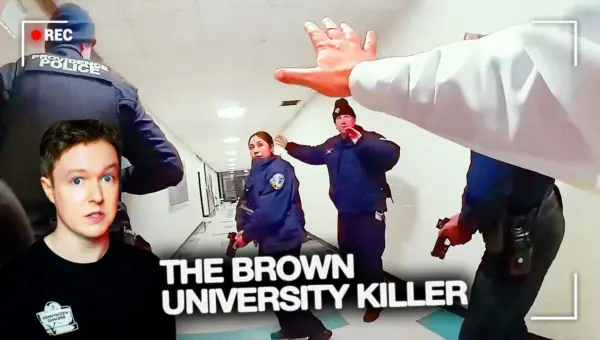
Reddit Tip Unmasks Brown University Shooter After Second Murder
A Reddit comment provided the crucial tip that led police to identify the gunman responsible for the massacre at Brown University and the subsequent murder of an MIT professor, exposing a perpetrator driven by long-held grievances and a capacity for random violence.


Elderly Lodge Owner Defied Evacuation, Died in Volcano Eruption
Elderly lodge owner Harry R. Truman defied government evacuation orders ahead of the Mount St. Helens eruption. His refusal to leave his beloved home led to his tragic death in the catastrophic blast.

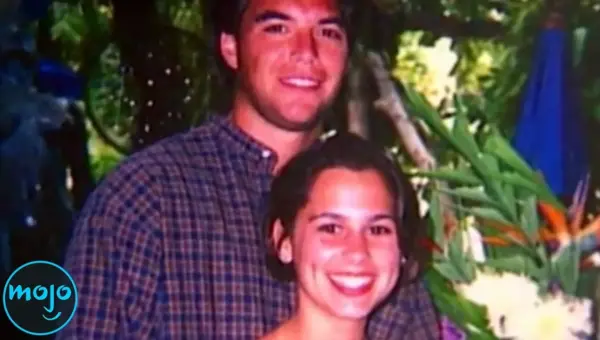
From Surgeons to Stars: Husbands Accused in Heinous Crimes
From a surgeon accused of a double homicide to a Hollywood actor convicted of killing his wife, these high-profile cases reveal the dark side of marital bonds. Explore the shocking stories of husbands who allegedly turned to murder, leaving behind shattered families and public outcry.