Maduro Fights Sanctions to Fund His Defense in U.S. Court
Former Venezuelan leader Nicolas Maduro is in a U.S. federal court fighting to access frozen funds to pay for his legal defense. The U.S. has sanctioned these funds due to national security concerns. The judge must now decide if blocking the money violates Maduro's rights.

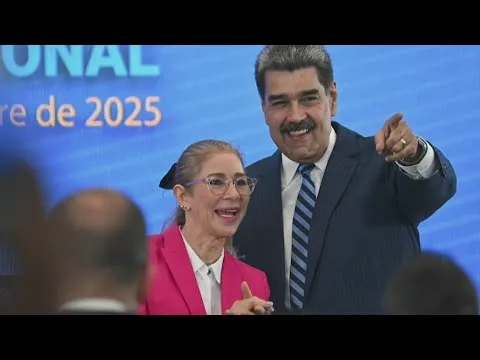
Maduro Fights Sanctions to Fund His Defense in U.S. Court
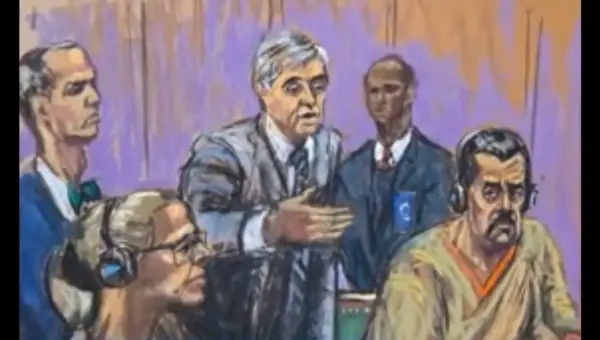
Nicolas Maduro, the former leader of Venezuela, appeared in federal court in New York City. His wife was also present. The hearing focused on whether Maduro can use frozen Venezuelan funds to pay for his legal defense. The U.S. has placed these funds under sanctions.
Legal Battle Over Frozen Funds
Maduro’s legal team wants to access money tied to Venezuela. They argue that the U.S. Constitution gives them the right to choose their own lawyers. This includes hiring private counsel for the former president. However, prosecutors disagree. They say the money is frozen due to U.S. national security and foreign policy sanctions. These sanctions prevent the funds from being used.
Judge Weighs Maduro’s Rights
The judge in the case, Alan Hellerstein, acknowledged the unusual nature of the situation. He stated that the court must decide if blocking the money violates Maduro’s rights. Judge Hellerstein said this decision might take some time. In the meantime, court-appointed lawyers will represent Maduro. He has pleaded not guilty to charges of narco-terrorism, drug trafficking, and violent crimes.
Maduro’s Rise and Fall
Maduro has led Venezuela since 2013. He was removed as president on January 3rd. This action was taken by the U.S. He was then brought to New York and held in a Brooklyn jail. He appeared in court on January 5th and again for this hearing. The U.S. government has accused him of bringing drugs into the U.S. and committing violent crimes.
Protests Outside the Courthouse
The hearing took place amid tight security. Barriers were set up around the courthouse. Media and supporters of the U.S. action against Maduro were kept separate from counter-protesters. Many in the crowd supported the U.S. stance. Others were there to protest any U.S. involvement with Maduro. The two groups clashed, and police had to keep them apart.
One protester stated, “Our government is more interested in foreign wars and interventions than what people want.” Another said, “His regime has consistently refused to cater to the will of the people. It would have been amazing for a more peaceful transition to take place. But what happened on January 3rd, there’s only one person to blame, and that’s going out to him.”
Global Impact
This case highlights the complex intersection of international law, sanctions, and individual rights. The judge’s decision could set a precedent for how frozen assets are handled in cases involving foreign leaders accused of crimes in the U.S. It also shows the deep divisions within the Venezuelan diaspora and their supporters. The ongoing legal battle and the protests underscore the political turmoil surrounding Venezuela. The U.S. sanctions aim to pressure the Maduro regime. However, this case questions whether those sanctions unfairly impact an individual’s right to a fair defense. The outcome will have implications for future legal challenges against foreign officials.
Historical Context
The U.S. has a history of imposing sanctions on countries and leaders it deems a threat to national security or foreign policy. These sanctions are often used as a tool to exert pressure and influence. Venezuela has been under increasing U.S. sanctions for years. These measures have significantly impacted its economy. The current legal proceedings against Maduro are a direct result of these long-standing U.S. policies towards Venezuela. The legal arguments about accessing frozen funds touch upon established principles of international law regarding sovereign immunity and due process.
Economic Leverage and Sanctions
Sanctions are a key tool in U.S. foreign policy. They aim to cripple a targeted country’s economy and isolate its leadership. Venezuela’s economy has suffered greatly under these sanctions. The ability to access frozen funds for legal defense is a critical point. It shows how economic pressure can directly affect legal proceedings. The U.S. argues these funds are linked to illicit activities and national security threats. Maduro’s defense team argues they are essential for a fair trial.
Future Scenarios
One possibility is that the judge allows Maduro to access some funds for his defense. This could lead to a more robust private legal team. Another scenario is that the judge upholds the sanctions, forcing Maduro to rely on court-appointed lawyers. This might be seen as a disadvantage for his defense. A trial date has not yet been set. If found guilty, Maduro could face significant penalties. The ongoing legal and political situation in Venezuela remains highly uncertain.
Source: Dueling protests outside NYC courtroom for Maduro hearing | NewsNation Live (YouTube)

Related Articles
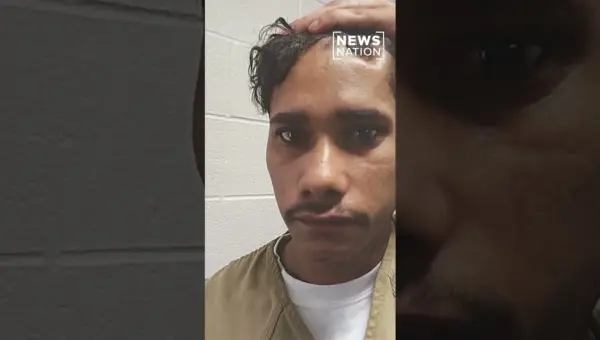
Immigration Debate Ignites Over Murder Suspect’s Status
A Venezuelan national accused of murder has become a focal point in the U.S. immigration debate. Prosecutors presented evidence of his alleged involvement in a student's death, while the defense highlighted his difficult background. The case raises questions about public safety and migrant support.
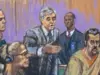
Judge May Let Maduro Pay Legal Bills: A Fight Over Sanctions
A judge is leaning towards allowing former Venezuelan leader Nicolás Maduro to use foreign funds for his legal defense, despite U.S. sanctions. The ruling could impact how sanctions affect the right to counsel in similar cases.
Govt Shutdown Sparks Airport Chaos, Iran Tensions Rise
The U.S. faces a trifecta of crises as a government shutdown cripples airports with record TSA delays, escalating tensions with Iran send stocks plummeting, and a judge refuses to dismiss drug trafficking charges against Nicolas Maduro. Meanwhile, the IOC implements a controversial ban on transgender athletes in women's sports, and Savannah Guthrie shares her family's pain over her mother's disappearance.