Maddow: Trump’s Decisions Driven by Markets, Not Polls
Rachel Maddow believes former President Donald Trump is primarily driven by his faith in financial markets, not by public opinion polls. Speaking on the "Clock It" podcast, Maddow explained that Trump views market performance as the ultimate validation of his leadership. This focus, she suggests, has significant implications for how he makes decisions and what that means for American democracy.

Maddow Explains Trump’s Core Motivations
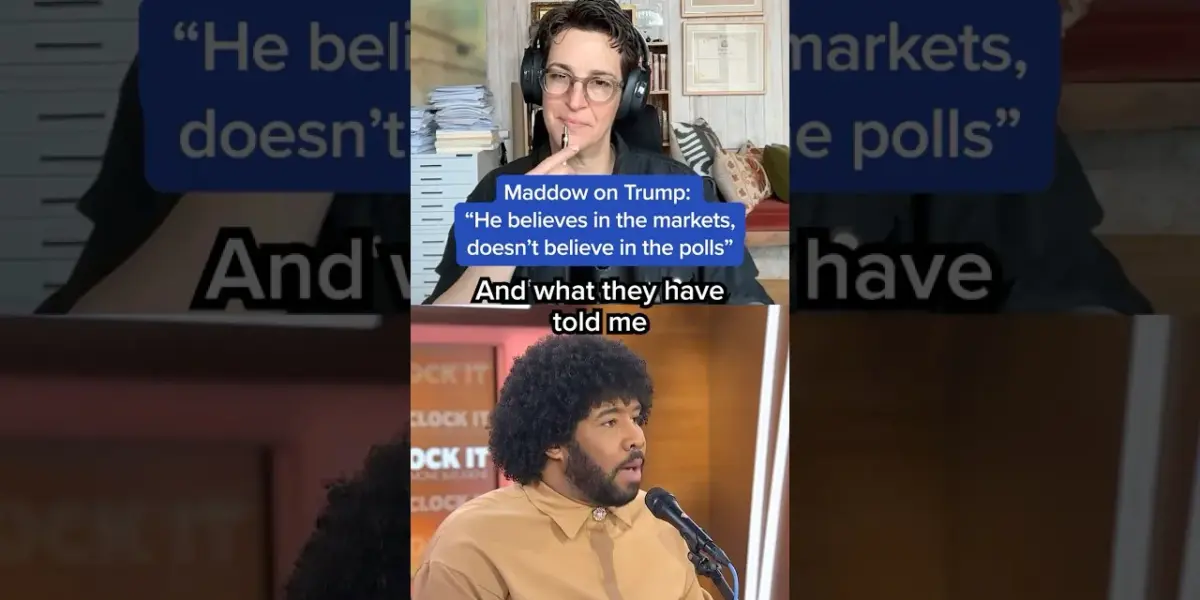
Rachel Maddow, a prominent MSNBC host, recently shared her insights into what truly drives former President Donald Trump’s decisions. Speaking on the podcast “Clock It” with hosts Symone Sanders Townsend and Eugene Daniels, Maddow argued that Trump is primarily motivated by his belief in the power of financial markets, rather than by public opinion polls. This distinction, she suggests, has significant implications for American democracy.
Markets Over Polls: A Key Insight
Maddow’s central point is that Trump’s worldview is fundamentally shaped by his perception of market performance. He sees economic indicators and the stock market as direct reflections of his success and effectiveness as a leader. This is a different approach compared to many politicians who closely track public opinion and adjust their strategies based on polling data. Maddow believes Trump views market gains as a validation of his policies and his personal brand.
“He believes in the markets, doesn’t believe in the polls,” Maddow stated, summarizing her core argument. This quote highlights a fundamental difference in how Trump assesses success and public sentiment. While polls measure the immediate feelings of voters, markets can be seen as a longer-term, perhaps more abstract, measure of economic health and investor confidence.
Understanding Trump’s Decision-Making
According to Maddow, this market-centric view means that Trump might prioritize actions that he believes will boost the economy or the stock market, even if those actions are not popular with a majority of voters. Conversely, he might dismiss concerns or criticisms if they don’t align with his perception of market success. This perspective offers a framework for understanding some of his past policy decisions and public statements.
For example, if the stock market is performing well during his potential future presidency, Trump might feel vindicated and less concerned about any negative public reaction. This contrasts with a more traditional politician who might feel pressure to change course if polls indicate public disapproval. Maddow’s analysis suggests a potential disconnect between Trump’s priorities and the immediate concerns of the electorate as measured by polls.
Implications for Democracy
Maddow expressed concern about what this means for the health of American democracy. If a leader is more responsive to market forces than to the will of the people as expressed through polls, it raises questions about accountability and representation. Democracy is built on the idea that leaders serve the public, and public opinion is a key way that sentiment is gauged.
“What that means for our democracy” is a central question Maddow raises. Her concern is that a leader focused on market indicators might overlook crucial social or political issues that are not immediately reflected in economic numbers. This could lead to policies that benefit certain sectors of the economy but neglect the needs of broader segments of the population. The focus on markets might also create a situation where the leader feels less beholden to the electorate’s immediate desires.
The Role of Polls in Politics
Polls are a standard tool in modern politics, used by candidates and elected officials to understand voter sentiment, test messages, and shape campaign strategies. They provide a snapshot of public opinion at a given moment. Maddow’s observation suggests that Trump may view these snapshots as less important than the broader, ongoing performance of the financial markets.
This difference in emphasis could lead to policy choices that surprise or even alienate voters who expect their concerns to be reflected in leadership decisions. It suggests a potential blind spot for any advisor or opponent trying to influence Trump’s thinking through traditional polling methods. Maddow’s analysis points to a need to understand Trump’s unique framework of what constitutes success and influence.
Looking Ahead
Rachel Maddow’s perspective offers a compelling lens through which to view Donald Trump’s political motivations. Her assertion that he prioritizes market performance over public polling data suggests a leader driven by a specific set of economic indicators as his primary measure of success. As the political landscape continues to evolve, understanding this core motivation will be crucial for analyzing his potential future actions and their impact on both the economy and the broader democratic process. Observers will be watching closely to see if this market-driven approach continues to shape his public statements and policy proposals.
Source: Maddow on Trump: "He believes in the markets, doesn't believe in the polls" (YouTube)

Related Articles
Noonan Slams Trump’s Iran Threats: ‘Hitting a New Bottom’
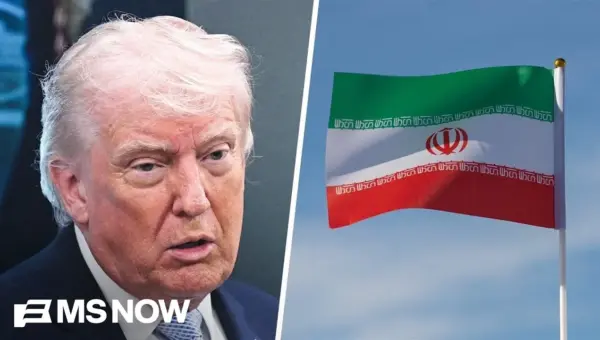
Journalist Peggy Noonan has strongly criticized former President Donald Trump's social media threats against Iran, calling them "sinister" and "hitting a new bottom." Her commentary highlights concerns about destabilizing the world and undermining America's moral authority. The piece also touches on divisions within the Republican Party and the silence of its leaders.
Trump Slams Media Critics, Sparks GOP Division
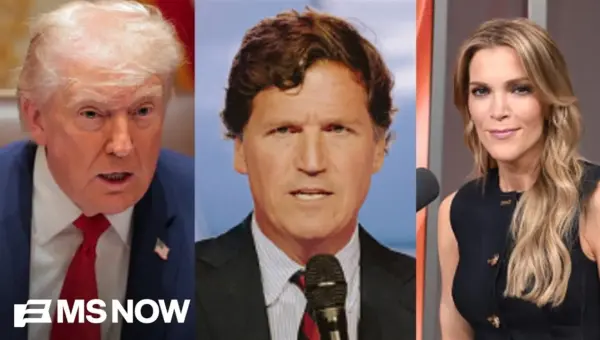
President Trump unleashed a fiery attack on right-wing media figures like Tucker Carlson and Meghan Kelly, calling them "low IQ" and "troublemakers" after they criticized his Iran policy. The broadside highlights growing divisions within the Republican party and the complex relationship between Trump and his conservative media allies.
Trump Renovation Raises Questions of Foreign Steel Influence
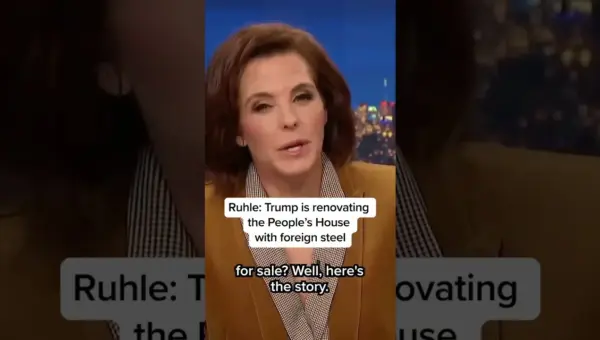
Questions are being raised about the use of foreign steel in White House renovations and potential links to policy changes. A donation of steel from ArcelorMittal to President Trump's ballroom project preceded adjustments to tariff policies that could benefit the company. This has sparked debate over transparency and corporate influence in government.