Lula’s Strategic Pivot: Brazil Navigates Global Influence
Brazilian President Lula da Silva's return to power signifies a strategic pivot, navigating complex global influences and domestic polarization. Despite facing pressure from the Trump administration and a deeply divided nation, Lula's pragmatic diplomacy and focus on Brazil's economic ties with China have proven resilient. The nation's political future remains dynamic, with upcoming elections set to test its democratic institutions.

Lula’s Return to Power and Shifting Global Dynamics
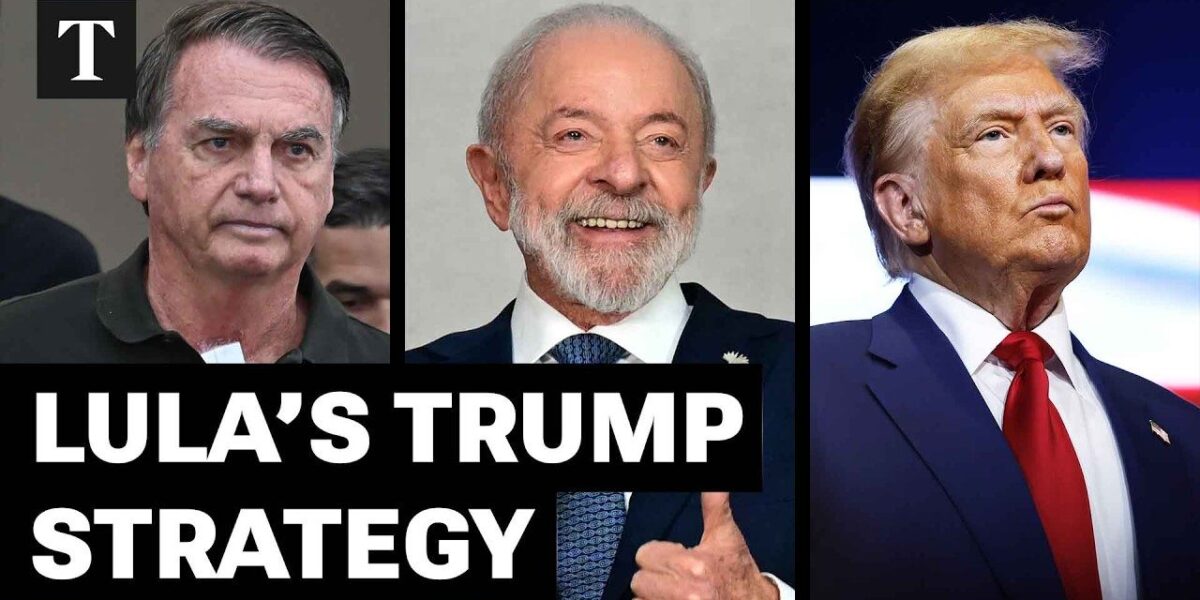
In a significant political resurgence, Luiz Inácio Lula da Silva, widely known as Lula, reclaimed the Brazilian presidency in 2022, marking his third term in office. His return signaled a departure from the right-wing populism of his predecessor, Jair Bolsonaro, and promised a renewed focus on left-wing policies aimed at empowering the Brazilian populace. Lula’s journey has been extraordinary, marked by an initial rise to prominence, subsequent electoral losses, serious corruption charges that led to a lengthy prison sentence, and his eventual release and triumphant return to the highest office. This complex narrative is meticulously explored in Richard Lapper’s new book, “Lula: The Man, The Myth, and A Dream of Latin America,” which delves into his ascent and his contemporary role in the region.
Navigating the Trump Administration’s Pressure
The period leading up to Lula’s return saw Latin America under considerable pressure from the Trump administration, characterized by the imposition of significant tariffs. Many observers anticipated a fraught relationship between Lula, with his background as a prominent trade union leader and a figure associated with radicalism, and the Trump administration, especially given Bolsonaro’s alignment with Trump. However, the reality proved surprisingly different. Despite initial impacts from tariffs, Brazil managed to negotiate a favorable resolution to this trade dispute. This success was largely attributed to Brazil’s growing economic interdependence with China, which reduced its vulnerability to U.S. pressure. As Lapper notes, “the key thing about Brazil these days is that it’s much more dependent on China than on the US economically.” This strategic positioning allowed Brazil to assert its interests, with Lula’s government conveying to the Trump administration that the U.S. would suffer more from the tariffs than Brazil.
Lula’s Origins and the Consolidation of Democracy
Lula’s public persona is deeply rooted in his humble origins. Born on a small, drought-stricken farm in the northeastern state of Pernambuco, he embarked on a remarkable journey to São Paulo, arriving after a 13-day trip. Growing up in poverty, he became a metalworker and a trade unionist during Brazil’s industrialization period. His personal story resonated with millions of Brazilians who had undertaken similar paths, making him a symbol of hope and upward mobility in a highly stratified society. After several unsuccessful presidential bids, Lula’s victory in 2002 ushered in an era of significant economic inclusion and helped consolidate Brazil’s democratic institutions, emerging from decades of military dictatorship.
The Rise of Bolsonaro and the Shifting Political Landscape
Jair Bolsonaro’s election in 2018 can be seen, in part, as a reaction to the socio-economic shifts occurring in Brazil. The de-industrialization of the country in the late 20th and early 21st centuries led to a decline in trade union membership and a rise in individualism. Concurrently, powerful right-wing conservative lobbies, including a rapidly growing and socially conservative evangelical Christian movement, gained influence. This, coupled with opposition from agribusiness to environmental regulations that were a hallmark of Lula’s previous terms, and a pervasive sense of insecurity and crime, created fertile ground for Bolsonaro’s hardline platform. As Lapper explains, “all these factors came together in 2018 to bring Bolsiniro to office.”
Lula’s Narrow Victory and a Cautious Presidency
The contrast between Bolsonaro and Lula was stark, with Bolsonaro often described as a more ideologically driven figure. His polarizing nature and controversial handling of the COVID-19 pandemic, mirroring Trump’s approach, led to the alienation of many of his former allies. This division, combined with Lula’s enduring popularity among the poorer segments of the population, contributed to Lula’s narrow victory in the 2022 election. However, Lula presides over a minority government, necessitating a cautious, middle-of-the-road approach rather than the confrontational strategies associated with figures like Fidel Castro or Hugo Chávez. “This is a kind of middle-of-the road government. This is not Lula really has assued the kind of confrontational strategy that we more typically associate with the Latin American left,” Lapper observes.
The Aftermath of the Election and Future Political Uncertainty
The 2022 election was closely contested, with Lula securing a victory by a margin of approximately 2 million votes. Bolsonaro’s initial resistance to the transfer of power and subsequent legal challenges have highlighted the ongoing political polarization in Brazil. The Brazilian judiciary, despite its imperfections, has largely functioned to uphold the rule of law, with strong evidence suggesting Bolsonaro’s involvement in efforts to undermine the 2022 election results. Looking ahead, the political landscape remains dynamic. With presidential elections on the horizon, Flavio Bolsonaro, Jair Bolsonaro’s eldest son, is emerging as a prominent right-wing candidate. While current polls suggest Lula holds a marginal lead, the possibility of a right-wing victory cannot be discounted, underscoring the continued deep divisions within Brazilian society.
Lula’s Strategic Diplomacy and Relations with the U.S.
Despite his government’s official stance and political leanings, Lula has historically demonstrated a pragmatic approach to international relations, particularly with U.S. presidents. Lapper points out that Lula “tends has always tender to get on quite well with um Republican US presidents. Famously, he got on better with George W. Bush than he did with Obama.” This suggests a potential for a more constructive relationship with a future Trump presidency than with the current Biden administration. Lula’s skill as a negotiator, particularly in economic matters, and Brazil’s significant natural resources, including rare earth metals crucial for defense industries and oil reserves, present opportunities for strategic engagement. Lula’s adeptness in leveraging these resources could prove pivotal in navigating complex international economic and political landscapes.
Looking Ahead: Brazil’s Path Forward
As Brazil continues to navigate its domestic political challenges and its position on the global stage, the coming months will be crucial. The upcoming elections will test the resilience of its democratic institutions and the extent to which the nation can bridge its deep political divides. Lula’s ability to maintain a delicate balance between his progressive agenda and the pragmatic necessities of governing a polarized country, while also managing international relations, will be closely watched. The interplay between domestic politics, economic strategies, and Brazil’s role in a shifting geopolitical order will undoubtedly shape the nation’s trajectory in the years to come.
Source: How President Lula Diverted Brazil From Trump’s Sphere Of Influence And Bolsanaro (YouTube)

Related Articles
Geopolitical Turmoil Bolsters Bitcoin Amidst ETF Inflows
Geopolitical tensions and strong Bitcoin ETF inflows are creating a resilient market. Analysts point to exhausted sellers and the potential for capital rotation into crypto, while regulatory clarity on the Clarity Act could unlock significant institutional investment.

Trump Threatens “Unseen” Force on Iran After Leader’s Death
Following the assassination of Supreme Leader Ayatollah Ali Khamenei, U.S. President Donald Trump has vowed to unleash unprecedented force on Iran. While outlining ambitious goals including regime change, experts express skepticism about the effectiveness of airstrikes and the potential for popular uprising against a resilient Iranian government.


Trump’s War Rhetoric: Casualties Are a Burden He’ll Bear
Donald Trump's acknowledgment of potential casualties in a conflict, described as illegal and unconstitutional, has drawn criticism for perceived detachment. The analysis explores the implications of such rhetoric and the leader's responsibility for initiating warfare.