Loss of Drive: The Hidden Danger of Low Testosterone
Loss of ambition and motivation, not just low libido, could be the most dangerous sign of declining testosterone. Learn about the connection between testosterone, dopamine, and drive, and discover lifestyle changes to support healthy levels.


Loss of Drive: The Hidden Danger of Low Testosterone
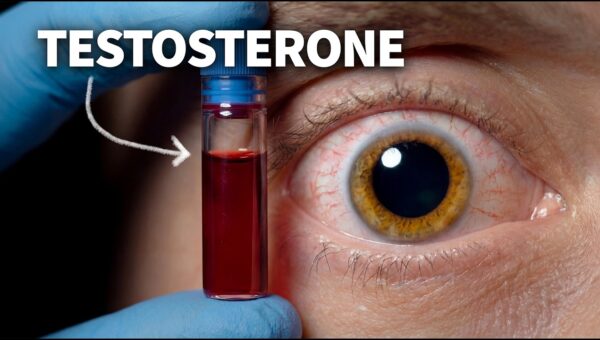
While often associated with decreased libido, muscle loss, and fatigue, the most critical and potentially dangerous sign of low testosterone may surprise you: a loss of drive. This manifests as diminished ambition, motivation, and endurance, impacting overall health and well-being.
Testosterone: More Than Just a Sex Hormone
Testosterone is a vital hormone that plays a significant role in men’s health, extending far beyond its well-known effects on sexual function. It functions as a metabolic hormone, influencing various bodily processes, including energy levels, mood, and cognitive function. Furthermore, testosterone supports the production and function of dopamine, a neurotransmitter crucial for motivation and the drive to pursue goals.
The Link Between Testosterone and Motivation
Dopamine is often mistakenly referred to as the “pleasure” neurotransmitter. However, its primary role is more accurately described as the neurotransmitter that fosters desire, anticipation, and the motivation to seek rewards. Testosterone influences dopamine pathways, directly contributing to a man’s ability to initiate action, pursue ambitions, and maintain focus. As men age and testosterone levels naturally decline, this can lead to a noticeable reduction in their “get up and go” — a diminished capacity to engage with life’s challenges and opportunities.
The Cascade Effect of Low Testosterone
The decline in motivation and drive associated with low testosterone can trigger a cascade of negative health consequences. Without sufficient drive, individuals may become less physically active, leading to weight gain and increased body fat. This, in turn, can contribute to a range of metabolic issues and further exacerbate feelings of fatigue and sluggishness. The mental fog and reduced cognitive sharpness often reported are also linked to lower testosterone levels and their impact on neurotransmitter function.
Who is at Risk?
While testosterone levels naturally decrease with age, particularly after the age of 30, other factors can also contribute to low testosterone. These can include certain medical conditions (like obesity, diabetes, and chronic illnesses), injuries to the testes, chemotherapy, and some medications. Men experiencing persistent fatigue, unexplained weight gain, a significant drop in motivation, or changes in mood should consider discussing their testosterone levels with a healthcare professional.
Strategies to Support Healthy Testosterone Levels
Fortunately, several lifestyle interventions can help support healthy testosterone levels. The transcript highlights three key areas:
- Adequate Zinc Intake: Zinc is an essential mineral that plays a crucial role in testosterone production. Ensuring sufficient dietary intake of zinc, found in foods like oysters, red meat, poultry, beans, and nuts, can be beneficial.
- Low-Carbohydrate Diet: While not a one-size-fits-all approach, a diet lower in refined carbohydrates may help support testosterone levels for some individuals. High intake of processed carbohydrates can sometimes be associated with hormonal imbalances. Focusing on whole, unprocessed foods is generally recommended.
- Sufficient Sleep: This is perhaps the most vital factor. Testosterone is primarily produced during sleep. Chronic sleep deprivation can significantly impair testosterone production. Aiming for 7-9 hours of quality sleep per night is essential for optimal hormonal health.
Consulting a Healthcare Professional
It is important to note that self-diagnosing low testosterone can be misleading. If you suspect you have low testosterone or are experiencing a significant loss of drive, fatigue, or other concerning symptoms, it is crucial to consult with a healthcare professional. They can perform appropriate diagnostic tests, such as blood work to measure testosterone levels, and discuss personalized treatment options if necessary. Medical advice should always come from a qualified doctor or physician.
Disclaimer: This article is for informational purposes only and does not constitute medical advice. Always consult with a qualified healthcare provider for any health concerns or before making any decisions related to your health or treatment.
Source: The Most Dangerous Sign of Low Testosterone (Don’t Ignore This) (YouTube)

Related Articles


AI’s Role in Shaping Future Generations
The discussion around affluent children lacking motivation takes on new relevance with the rise of AI. While AI tools can inadvertently foster complacency, they also offer powerful avenues for personalized education and skill development, presenting parents with both challenges and opportunities in shaping future generations.

Boost Your Mood and Drive: The Power of Testosterone
Testosterone's impact extends beyond physical strength, significantly influencing men's mood, motivation, and anxiety levels. Learn how winning, mindset, and lifestyle choices can naturally boost this vital hormone.


Medieval Injuries: What History Gets Wrong About Wounds
A medical expert breaks down the brutal injuries depicted in "A Knight of the Seven Kingdoms," revealing what historical dramas often get wrong about wound survivability and the life-saving impact of modern medicine.