London’s Charm Endures Amidst Youth Disorder, Says Columnist
Columnist Martin Samuel asserts that London's appeal remains strong despite recent youth disturbances, drawing parallels to historical urban issues. He contrasts this with Japan's civic pride and discusses England's football team struggles.

London’s Appeal Unwavering Despite Recent Disturbances
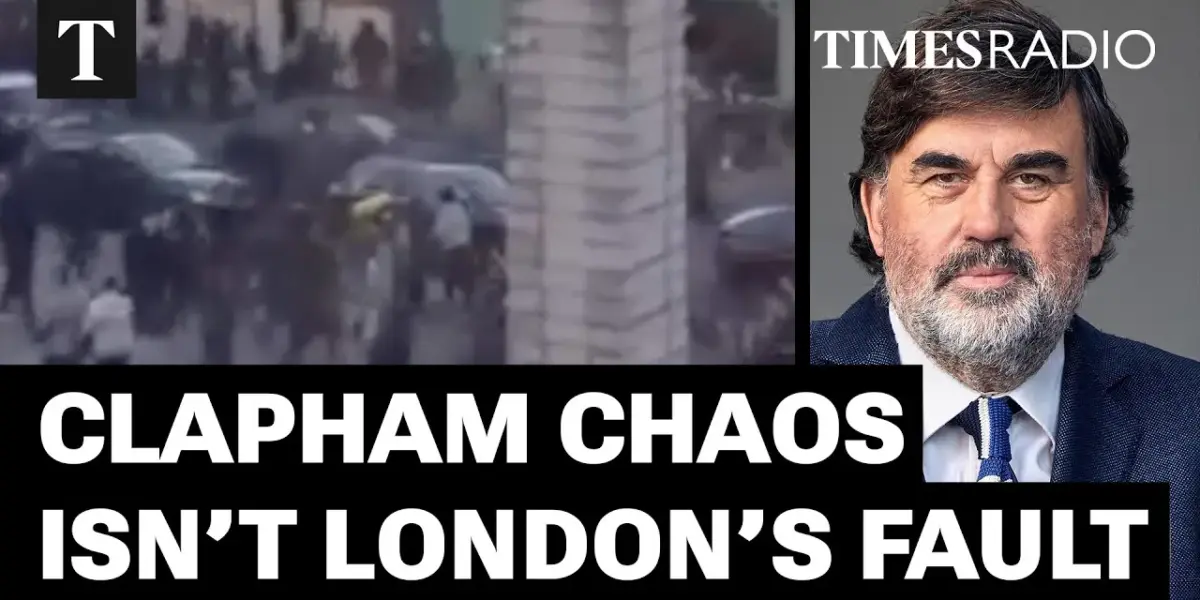
London remains a vibrant and incredible city, even as isolated incidents of youth disorder occur, according to Martin Samuel, chief correspondent for The Times. Recent events in Clapham, South London, mirroring similar disturbances in Solihull, have sparked debate about urban centers. However, Samuel argues that these incidents do not define the city’s overall character and that such issues are not new to urban life.
England’s Football Struggles and World Cup Hopes
The England football team faced a challenging week, failing to secure wins against top-tier opponents. Out of three recent matches against teams ranked in the top 20, England lost two and drew one. These results followed a pattern of strong performances against weaker opposition in qualifying rounds, raising concerns about the team’s readiness for the World Cup.
Samuel highlighted a statistic indicating England has not beaten a top 20 team in recent years. He noted that while friendlies allow for experimentation, the lack of convincing performances against stronger teams is worrying. The fear, he explained, is that the team may be a ‘flat track bully,’ performing well against less capable teams but struggling against those with genuine World Cup contention.
A Tale of Two Cities: London and Tokyo
Samuel drew a stark contrast between the public perception of London and his personal experiences, particularly when comparing it to Tokyo. He described Tokyo as an “incredible place” where citizens show remarkable civic pride. He recalled attending a film premiere and a concert in Tokyo, observing how attendees meticulously cleaned up after themselves, leaving venues spotless.
This attention to detail and respect for public spaces, Samuel suggested, is a hallmark of Japanese culture. He contrasted this with the common experience at gigs in Western cities, where audiences often leave floors sticky and littered. This observation served to underscore his point about the potential for positive behavior and respect within any urban environment, including London.
Challenging Negative Portrayals of London
Samuel strongly criticized the notion of ‘London Max,’ a concept that suggests London is somehow beyond repair or is a place of overwhelming negativity. He called this idea “ridiculous,” arguing that it ignores the city’s inherent strengths and appeal. Figures like Nigel Farage and Donald Trump have, at times, painted a bleak picture of London, which Samuel dismisses.
“It’s a wonderful city. Absolutely incredible city,” Samuel stated emphatically. He acknowledged that problems like phone theft and instances of youth disorder, as seen in Clapham, do occur. However, he stressed that these are not unique to London and have a long history in urban centers worldwide. He likened the current situation to past periods of youth disorder, such as the Mods and Rockers clashes in Brighton, suggesting that such events do not permanently tarnish a city’s reputation.
The Enduring Allure of Urban Living
Despite the challenges, Samuel expressed a personal desire to return to living closer to the center of London. He spoke of looking at the Thames and reminiscing about past plans to move back to the city’s heart. This sentiment reflects a deep affection for London’s unique atmosphere and opportunities.
When asked if London is the best city in the world, Samuel hesitated, naming other great cities like Barcelona, Sydney, San Francisco, Tokyo, and Moscow as personal favorites. He emphasized his love for cities in general and the diverse experiences they offer, from cultural immersion to historical exploration.
The ‘Always On’ Professional and Work-Life Balance
The discussion shifted to the modern professional’s relationship with work, particularly concerning email and phone usage outside of office hours. Samuel admitted to being an “always on” person, never turning off his phone or emails. He believes that for reporters, staying accessible can be crucial.
He acknowledged the argument for setting boundaries but personally feels comfortable managing his own. He confessed to being better at checking emails than replying to them, often categorizing responses into either immediate or significantly delayed. This led to a humorous exchange about the nature of replying to emails, with Samuel admitting he sometimes forgets or gets distracted, leading to a delay.
Looking Ahead
While Samuel defends London’s enduring appeal against negative narratives, the occurrences of youth disorder in various urban centers, including Clapham and Solihull, will likely continue to be a topic of discussion. The England football team’s performance heading into the World Cup will also remain under scrutiny. Meanwhile, the conversation around modern work-life balance and the ‘always on’ culture persists, with professionals like Samuel navigating their own approaches to connectivity.
Source: Don’t Blame London For The Chaos In Clapham | Martin Samuel (YouTube)

Related Articles


Eagles Drama: Why Jalen Hurts Faces Constant Scrutiny?
The Philadelphia Eagles and quarterback Jalen Hurts are once again at the center of offseason drama, with questions about his performance and team dynamics surfacing. Despite leading the Eagles to a Super Bowl and facing constant offensive coordinator changes, Hurts remains a subject of scrutiny. The role of anonymous sources in fueling this narrative is also a major point of discussion.


Taylor’s Bold Promise: ‘Can’t Turn Heads No More!’
Gabriel Taylor, younger brother of the legendary Sean Taylor, is ready to make his mark with the UFL's DC Defenders. He's embracing the team's championship culture and his own versatility, vowing to make a significant impact. Taylor is also proudly wearing his brother's iconic number 21, carrying a powerful legacy with him onto the field.


Valverde’s Value Skyrockets: Fans Say Priceless!
Real Madrid fans are adamant that Fede Valverde is not for sale, with valuations soaring into the hundreds of millions, and some even deeming him priceless. His passion and skill have made him indispensable.