London’s Bike Wars: Offenses Drop Amid Cycling Surge
London is witnessing a significant drop in recorded cycling offenses, even as bike journeys soar to 1.5 million daily. This trend, coupled with rising tensions and debates over e-bike regulation and infrastructure, points to a complex evolving urban transport landscape.

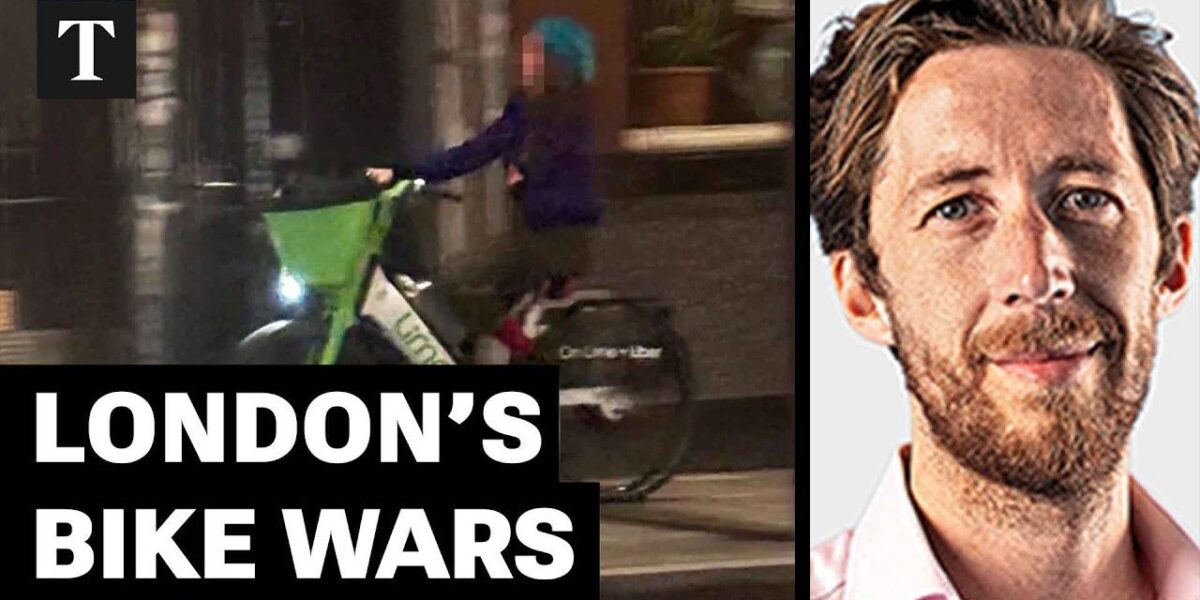
London Sees Drop in Cycling Offenses Amidst Rising Bike Journeys
London is experiencing a peculiar trend: while the number of cycling journeys in the capital has surged, recorded cycling offenses have plummeted by two-thirds over the past three years. This stark contrast, highlighted by The Times’ London editor Andy Silvester, raises questions about enforcement, infrastructure, and the evolving relationship between cyclists, drivers, and pedestrians.
The Numbers Game: Fewer Offenses, More Cyclists
Data from the Metropolitan Police reveals a dramatic decrease in recorded cycling offenses, falling from over 4,500 in 2023 to below 1,500 in 2025. This decline occurs even as the number of daily cycling journeys in London has seen consistent double-digit percentage increases, now reaching 1.5 million—equivalent to the daily ridership of the Northern and Piccadilly tube lines combined. Silvester points out that this trend is likely not due to a sudden improvement in cyclist behavior, but rather a complex interplay of factors.
“The number of recorded cycling offenses in London has dropped by 2/3 over the past 3 years. But it seems very unlikely that it’s because cyclists are all behaving better.”
The standard spot fine for offenses like running red lights or cycling on pavements is £50, with potential prosecution leading to fines up to £400, often for cyclists who react poorly when stopped.
Infrastructure Challenges and Cyclist Behavior
The rise in cycling is driven by economic factors and a desire for greener, cheaper transport. However, critics, including journalist Paul wro, have voiced frustrations about cyclist behavior. Common complaints include riding on pavements, the speed and perceived recklessness of e-bikes, and instances of ‘lycra loons’—cyclists perceived as aggressive or overly fast. Silvester acknowledges these concerns, particularly pavement riding, which he finds particularly annoying even as a cyclist.
“The pavement riding is the one that always does slightly annoy me as even as a cyclist because I don’t ever really see the need to do that for any long period of time,” Silvester stated.
The transcript also touches on the safety aspect of cycling, with one cyclist admitting to running red lights at a specific junction to avoid being squeezed between lorries. This highlights a critical issue: urban infrastructure, often designed around cars, may not be adequately adapted for the growing number of cyclists, sometimes creating unsafe situations.
E-Bikes and the Shifting Landscape
The proliferation of e-bikes, including popular rental schemes like Lime, has significantly contributed to the increase in cycling. These bikes, often weighing around 35kg, offer a faster and less physically demanding mode of transport. However, they also raise new concerns. Some argue against the necessity of e-bikes, suggesting a return to using one’s own leg power. Others focus on the regulatory gap, particularly regarding parking and enforcement. Currently, the regulation of rental e-bikes is managed by individual boroughs, a system described as “bonkers.” Transport for London (TfL) aims to centralize this under one authority this year, which could lead to more consistent parking regulations.
Questions have also been raised about the legality of riding e-bikes without helmets, a point of confusion and concern for some road users.
The Road Rage Phenomenon
The increase in cycling and the perceived lack of adequate infrastructure have intensified tensions on London’s roads. Cyclists report receiving abuse when reprimanded for offenses, and drivers often express frustration with cyclists occupying road space. There’s a palpable sense that the road is fundamentally viewed as the domain of cars, with cyclists often seen as ‘interlopers.’
Silvester noted a peculiar difference in how drivers interact with cyclists based on their attire. “If I am as a woman riding a bike in normal clothing, drivers tend to give me a much wider birth. If I’m riding a bike in Lycra with a helmet and high viz on, they will come up really close behind you and treat you as if you ought not to be on the road.”
This perception of entitlement from both sides—drivers believing the road is theirs, and some cyclists feeling entitled to disregard rules—contributes to a generally more ‘testy’ atmosphere on commutes.
Enforcement Challenges and Future Outlook
The drop in police enforcement of cycling offenses is partly attributed to the Met Police’s focus on more serious crimes, such as the use of illegal e-bikes in phone snatching. Silvester suggests that creating new laws is less effective than enforcing existing ones, given finite police resources.
The debate over cycling infrastructure and regulation is ongoing. While some call for stricter measures, others argue that any barrier to cycling will deter people from adopting this eco-friendly mode of transport. The core issue remains finding a balance: encouraging more cycling for its environmental and health benefits while ensuring the safety and consideration of all road users. The future may involve a greater push for dedicated, well-demarcated cycling zones, clearer regulations for e-bikes, and a broader societal shift towards shared road space.
As London grapples with these challenges, the question remains: can the city effectively manage its booming cycling population while mitigating conflicts and ensuring safety for everyone on the road?
Source: London Cyclists Enter Bike Wars With Toxic Riding Offenders | Andy Silvester (YouTube)

Related Articles


The Tiny EV That Delivers Big Fun
The Meyers Max, a compact electric vehicle, is redefining driving fun. It offers an accessible and exhilarating experience, proving that pure joy doesn't require blistering speed or exotic materials. This EV is the perfect daily driver for those who value engagement and practicality.


Trump Warns of More US Deaths in Escalating Conflict
Former President Donald Trump issued a somber warning on Truth Social, stating that further U.S. service member deaths are "likely" as geopolitical tensions escalate. He condemned Iran's former supreme leader, Ayatollah Ali Khamenei, and vowed retribution for fallen soldiers.


Air Travel Chaos Erupts as Gulf Conflict Shuts Skies
Tens of thousands of passengers are stranded as the conflict in the Persian Gulf forces widespread airspace closures, disrupting global air travel. A tourist in Israel described witnessing air strikes and the desperate search for escape routes amidst rapidly changing travel options.