Logitech G Pro X2 Superlight: Faster Clicks for Aging Gamers?
Logitech's new G Pro X2 Superlight mouse introduces a novel Haptic Inductive Trigger System, aiming to reduce click latency and offer a tangible benefit for aging gamers. Early tests show a significant reduction in reaction time, though the premium price and unique button feel may divide users.

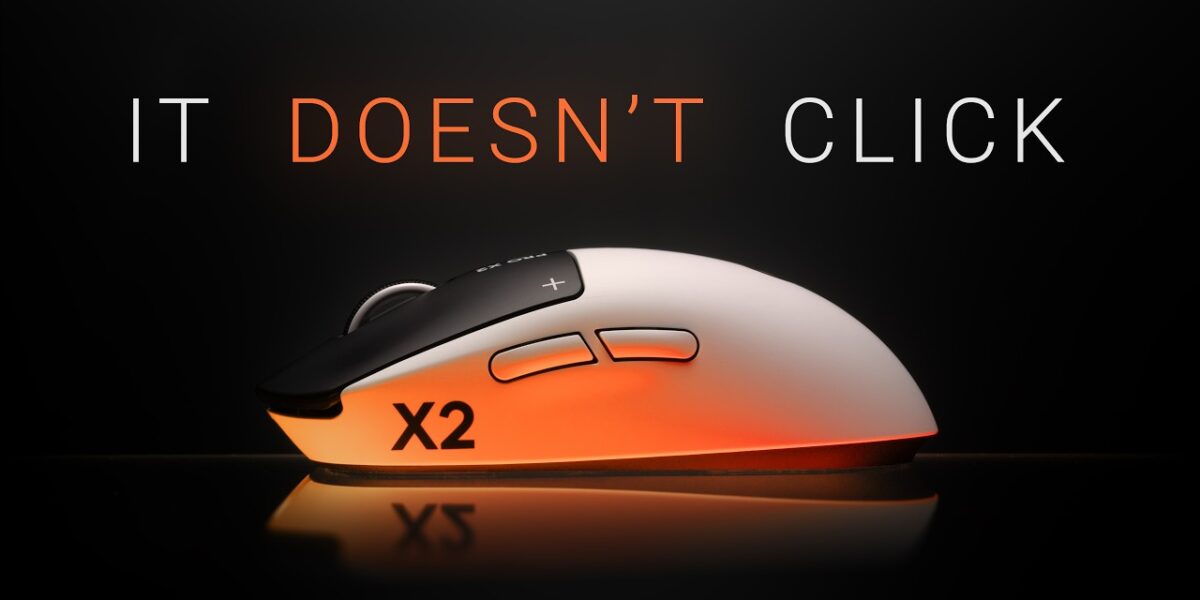
Logitech G Pro X2 Superlight: Faster Clicks for Aging Gamers?
For years, the gaming peripheral market has been a landscape of incremental updates and marketing-driven hype. High DPI counts and ultra-high polling rates have become standard features, often overshadowing genuine innovation. However, Logitech’s latest release, the G Pro X2 Superlight, aims to break this mold with a radical new approach to mouse clicks, promising a tangible benefit, especially for gamers whose reaction times might not be what they used to be.
The gaming mouse industry, as the reviewer notes, experienced a peculiar shift around 2020. This was the year the original Logitech G Pro Wireless (often referred to as the Superlight) launched. It was a revelation: lightweight at around 60 grams, featuring an excellent sensor, long battery life, and a shape that proved universally appealing. It remains a beloved mouse for many. Yet, in the years since, innovation seemed to stagnate, replaced by a flurry of marketing claims about ever-increasing specs that often had little practical impact for the average gamer, let alone seasoned professionals who frequently stuck with older, proven hardware.
The Aging Gamer’s Dilemma
A significant factor in the reviewer’s declining interest in cutting-edge gaming mice was a personal observation: aging. As reaction times naturally slow with age, the benefits of ultra-lightweight mice and hyper-responsive sensors become less pronounced. While a 110-millisecond reaction time might be achievable for a young, elite gamer, the reviewer, in his mid-40s, found his own reaction times hovering around 230-240 milliseconds. This personal experience led to a realization: many high-end gaming mice are designed for a demographic with faster reflexes, leaving older gamers feeling like the hardware couldn’t bridge the gap created by biological changes.
Enter H.I.T.S. Technology
Logitech’s G Pro X2 Superlight, however, introduces a technology that directly addresses this latency concern. Dubbed the “Haptic Inductive Trigger System” (HITS), this system eschews traditional mechanical switches. Instead, it utilizes an inductive sensor with electromagnetic coils to detect input. The sensation of a click is simulated by a motor beneath each button, providing haptic feedback akin to Apple’s Force Touch trackpads. This means the buttons don’t physically “click” in the traditional sense; they provide a tactile response without a mechanical switch.
The key claim? A reduction in click latency by up to 30 milliseconds. This is a bold statement, especially in a market where milliseconds can mean the difference between victory and defeat. The HITS system allows for individual adjustment of the left and right mouse buttons, enabling users to fine-tune the actuation point. When the mouse is powered off, the buttons become unresponsive, highlighting the purely digital and haptic nature of the trigger mechanism.
Real-World Performance: Does it Deliver?
To test the HITS technology, the reviewer turned to Aimlabs, a popular aim training application. Starting with a baseline reaction time of 240 milliseconds on a conventional mouse, switching to the G Pro X2 Superlight with its click latency set to the fastest possible setting yielded a remarkable 214 milliseconds on the first try. This represents a genuine reduction of approximately 20-30 milliseconds, a significant improvement for those battling slower reaction times. The reviewer confirmed this improvement through repeated back-and-forth testing with different mice.
The impact was also noticeable in actual gameplay. Playing games like Marvel Rivals, where fast reflexes are crucial for tracking agile opponents, the reviewer felt a distinct improvement. “I feel like I have faster reaction time as if I was five or six years younger,” he stated. While the mouse doesn’t magically improve aim or tracking directly, it can indirectly benefit tracking by allowing for lighter button presses during sustained actions, reducing hand tension.
Crucially, the reviewer emphasizes that game skill remains paramount. This mouse won’t compensate for poor aim. However, for players whose misses are attributable to clicking just a fraction too late, the G Pro X2 Superlight offers a tangible advantage.
Durability and Design Considerations
The HITS technology also promises enhanced durability. Traditional mouse switches have moving parts that wear out over time, leading to issues like double-clicking. The inductive sensors in the G Pro X2 Superlight, lacking these mechanical components, are expected to offer significantly longer lifespan.
However, the mouse isn’t without its drawbacks. The shape, inherited from the original Superlight, is designed for universal comfort but can feel somewhat generic, described as a “potato” by the reviewer. Furthermore, the post-actuation feel of the buttons is a point of contention. Even after the simulated click, the button continues to travel, creating a sensation that can feel “spongy” compared to the more immediate stop of a mechanical switch.
Price and Availability
The Logitech G Pro X2 Superlight comes with a premium price tag of $180, making it one of Logitech’s most expensive gaming mice to date. This cost is largely attributable to the proprietary HITS technology, for which Logitech holds a patent. While this patent might limit immediate competition, it’s expected that similar technologies could emerge from other manufacturers in the future.
For gamers, particularly those who feel their reaction times are holding them back, the G Pro X2 Superlight presents a compelling, albeit expensive, solution. It represents a genuine step forward in gaming peripheral technology, moving beyond marketing specs to offer a performance benefit rooted in innovative engineering.
Specs & Key Features
- Technology: Haptic Inductive Trigger System (HITS) for simulated clicks
- Latency Reduction: Claims up to 30ms reduction in click latency
- Actuation: Inductive sensors with adjustable sensitivity
- Feedback: Haptic motor simulates click sensation
- Durability: No mechanical switches, potentially longer lifespan
- Weight: Approximately 60 grams (similar to original Superlight)
- Shape: Ambidextrous, universally comfortable design
- Connectivity: Wireless (Logitech LIGHTSPEED)
- Price: $180 USD
Source: This Mouse Makes You a Better Gamer. (YouTube)

Related Articles

Webcam Wars: Finding the Best for Every Budget
After testing 16 webcams, we've crowned the best for every need and budget. From the everyday user to the professional content creator, discover which webcam offers the best balance of image quality, features, and price. Avoid budget traps and invest wisely in your virtual presence.


Lenovo’s 3D Laptop Concept: A Glimpse into the Future?
Lenovo's Yoga Book Pro 3D concept showcases a glasses-free 3D display and advanced hand tracking for 3D artists. While powerful and innovative, its niche appeal and current limitations cast doubt on its market future.


Lenovo’s Modular AI PC Concept Changes Everything
Lenovo's ThinkBook Modular AI PC concept revolutionizes laptop design with a detachable 14-inch secondary touchscreen. Explore its flexible configurations, from a portable monitor to an integrated dual-screen setup, though battery life remains a key consideration.