Live Nation Avoids Breakup in DOJ Antitrust Deal
Live Nation has reached a settlement with the Department of Justice, avoiding a forced breakup of Ticketmaster. The deal aims to increase competition and lower prices by granting rivals access to ticketing systems and limiting venue exclusivity.

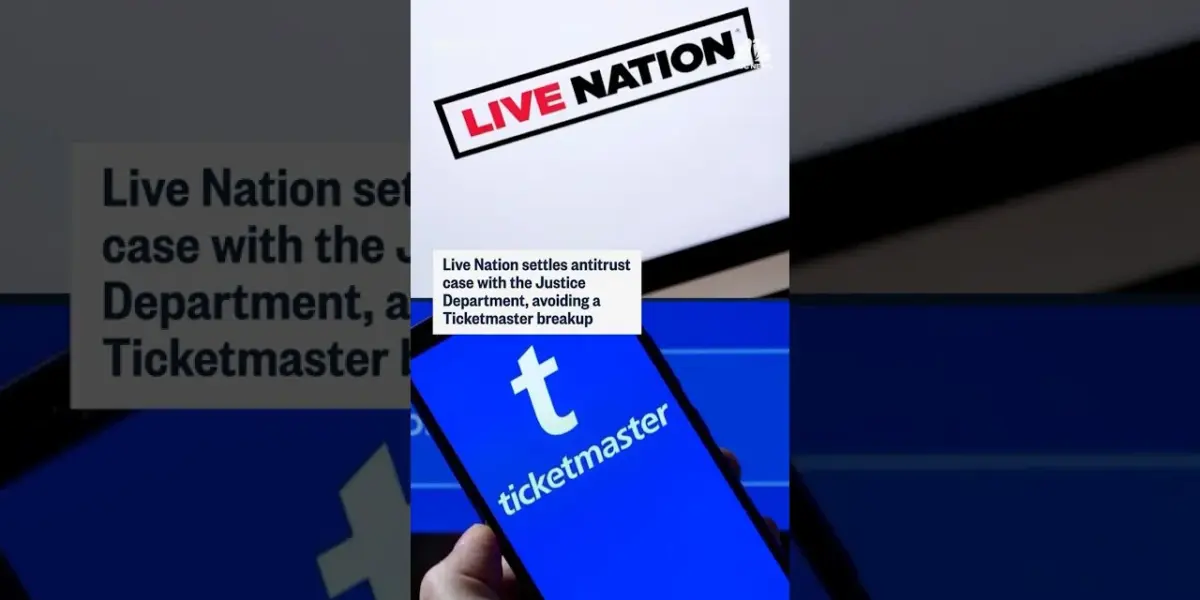
Live Nation Reaches Antitrust Settlement, Escapes Ticketmaster Split
In a significant development that reverberated through the live entertainment industry, Live Nation has reached a surprise settlement with the Department of Justice (DOJ), avoiding a forced breakup of its dominant ticketing arm, Ticketmaster. The agreement, announced following a week of intense testimony in a closely watched federal antitrust trial, allows the concert giant to continue its operations largely intact, though with certain concessions aimed at fostering greater competition.
DOJ Cites Increased Choice and Lower Prices as Settlement Benefits
A senior Justice Department official, speaking on background to reporters, expressed optimism about the settlement’s potential to benefit both artists and fans. “Today’s deal will drive down prices by giving artists and fans a bit more choice,” the official stated, highlighting the government’s objective to inject more competition into the live event market. The DOJ had argued throughout the trial that Live Nation operated as a de facto monopoly, stifling competition and harming consumers through its extensive control over concerts, venues, and ticketing.
Key Concessions for Live Nation
While Live Nation successfully sidestepped a structural separation of Ticketmaster, the settlement imposes several key requirements designed to open up the market. Under the terms of the agreement, Ticketmaster will be compelled to grant rival ticketing companies access to parts of its ticketing system. This means that competitors such as SeatGeek and StubHub could potentially sell primary tickets through the Ticketmaster platform, a move intended to increase consumer options at the point of sale.
Furthermore, Live Nation is required to divest up to 13 of its amphitheaters. This divestiture aims to reduce its significant control over live music venues. Additionally, the company must reserve half of the tickets for its owned or operated venues that are not locked into exclusive deals. This clause seeks to limit the scope of exclusivity that has long characterized Live Nation’s venue agreements, thereby allowing more flexibility for artists and promoters.
“The company is also required to divest up to 13 amphitheaters and reserve half of tickets for venues that are not locked into exclusive deal. So there is still that level of exclusivity, just a bit more limited in scope.”
Expert Analysis and Lingering Concerns
Despite the DOJ’s stated satisfaction with the settlement, some industry experts remain skeptical about its long-term impact on Live Nation’s market power. While the concessions address some of the most contentious aspects of the company’s business practices, questions persist about whether the agreement goes far enough to fundamentally alter the landscape of the live entertainment industry. The core of Live Nation’s dominance, built through a combination of venue ownership, promotion, and ticketing control, remains largely intact.
The trial itself had laid bare the extent of Live Nation’s influence, with prosecutors presenting evidence they claimed demonstrated anticompetitive behavior. Live Nation, for its part, consistently denied any wrongdoing, arguing that its scale and integration were necessary to efficiently serve the complex live entertainment ecosystem. The settlement thus represents a compromise, allowing the government to achieve some of its objectives without resorting to the potentially disruptive and lengthy process of a full corporate breakup.
Broader Implications for the Live Entertainment Market
The settlement’s implications extend beyond the immediate parties involved. For years, artists, fans, and competitors have voiced frustration over what they perceive as exploitative practices within the live music sector, often citing high fees, limited ticket availability, and a lack of transparency. The DOJ’s antitrust case and the subsequent settlement signal a continued governmental focus on scrutinizing large corporations that wield significant market power across various industries.
The concessions made by Live Nation, particularly regarding ticketing system access and venue exclusivity, could pave the way for a more competitive environment. However, the ultimate success of these measures will depend on their rigorous enforcement and the willingness of rival companies to leverage the newly available opportunities. The inherent network effects and economies of scale enjoyed by Live Nation present a formidable challenge for any aspiring competitor.
What’s Next for Live Nation and the Industry
Looking ahead, the live entertainment industry will be closely watching the implementation and impact of this settlement. The DOJ’s commitment to ensuring compliance will be crucial, as will the strategic responses of competing ticketing platforms and promoters. While the immediate threat of a Ticketmaster breakup has been averted, Live Nation will operate under a microscope, with its business practices subject to ongoing scrutiny. The long-term effects on ticket prices, fan experience, and artist opportunities remain to be seen, but this settlement marks a significant turning point in the ongoing debate over market power in live entertainment.
Source: Live Nation settles antitrust case with the Justice Department, avoiding a Ticketmaster breakup (YouTube)

Related Articles
Live Nation Settles Antitrust Case, Avoids Breakup
Live Nation has reached a settlement with the Justice Department, avoiding a breakup of the concert giant. The deal requires Ticketmaster to open its ticketing system to rivals and Live Nation to divest venues, aiming to increase competition. However, the impact on ticket prices is expected to be modest, and several states continue their own legal battles.


Epstein Survivor Decries “Horribly Distressing” DOJ Name Release
Epstein survivor Danielle Benski expressed deep distress as her name, along with others, was unredacted in a recent DOJ document release. She questions the repeated "redaction errors," calling the experience "gutting" and re-traumatizing.


Epstein Files Expose Trump Allegations Amidst Geopolitical Distractions
New Epstein files contain direct allegations against Donald J. Trump, igniting debates over the timing of their release and potential cover-ups. The analysis explores these claims, their connection to geopolitical events, and the broader implications for justice and accountability.