Lebanon Reels: Nowhere Feels Safe Amidst Escalating Conflict
Lebanon is reeling from a devastating Israeli strike on Beirut, labeled "Black Wednesday," which claimed over 300 lives and revealed a shift in targeting strategies. The escalating conflict has shattered the sense of safety across the nation, impacting even traditionally secure areas and displacing over a million people.

Lebanon Faces Unprecedented Insecurity as Conflict Intensifies
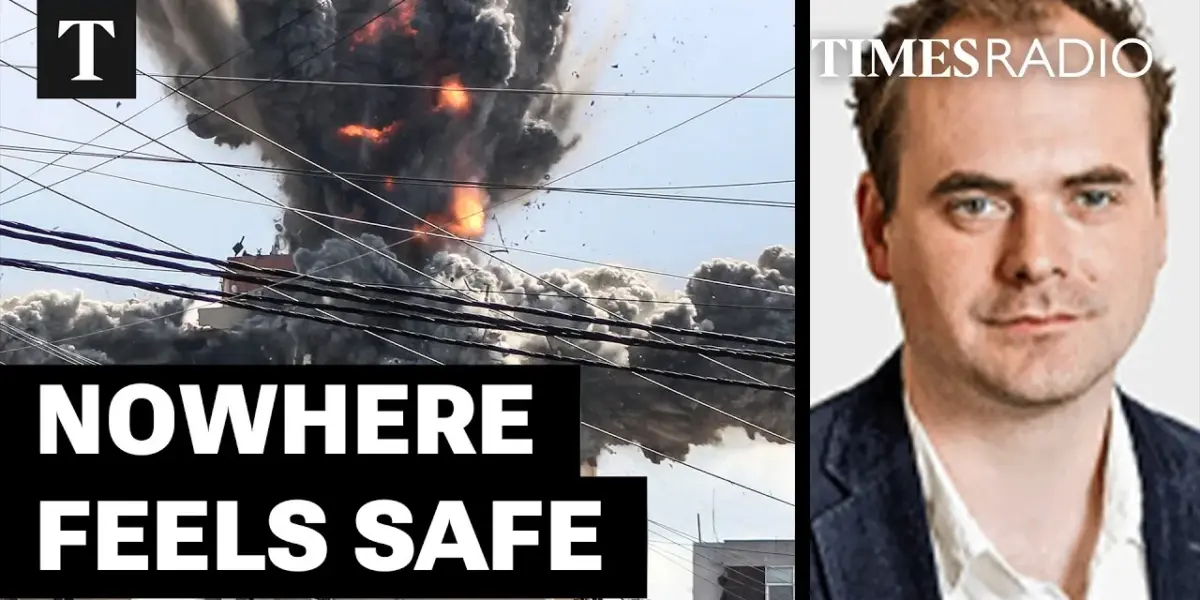
Beirut, Lebanon – The atmosphere in Beirut is one of deep shock and mourning following a devastating Israeli strike on Wednesday morning in the Cornish area. The attack, which has been labeled “Black Wednesday” by the Lebanese government, has claimed over 300 lives, with the death toll continuing to rise. The full impact of the strike is still being uncovered, leaving many residents reeling from the loss and destruction. This event marks a grim new reality for many Lebanese, as the sense of safety erodes across the nation.
“Black Wednesday” Devastation and Shifting Targets
Journalist Jack Clover, reporting from Beirut for The Times, described the heartbreaking scene of a father frantically searching for his daughter, Zar Ra, who remained missing 48 hours after the strike. Zar Ra, a recent business graduate, had fled her home in the south of Lebanon only to have her new location in Beirut hit. Her building was struck after she had escaped a previous attack that destroyed her original home. This incident is just one of many that occurred on “Black Wednesday,” a day now etched in the nation’s memory. The scale of the casualties has highlighted a disturbing shift in Israeli targeting strategies. While the south of Lebanon has long experienced exchanges of fire, Wednesday’s strikes extended beyond traditional Hezbollah strongholds. Israel has admitted to targeting areas outside these known strongholds, leading to significant civilian casualties with little to no warning. The truth behind these strikes remains difficult to ascertain for many on the ground.
A Nation Divided, Yet United in Fear
Beirut, a city known for its diversity and complex social fabric, is grappling with an influx of over a million displaced people from the south. This is not the first time the city has absorbed refugees, with a similar situation occurring in 2024. However, the current climate of fear is palpable. Even areas traditionally considered safe, like the Christian hills above Beirut where Clover grew up, are no longer immune. His family’s home in the village of Saudi was hit last week, an attack allegedly targeting a Hezbollah leader but resulting in the deaths of the wife and head of Lebanese forces living in the apartment below. This widespread insecurity is creating a strange unity among Lebanese people who may not agree on many issues. Many resent Hezbollah’s presence and its role as a “state within a state,” which they believe provokes Israeli aggression. Yet, the current Israeli attacks are paradoxically uniting many Lebanese who might otherwise oppose Hezbollah.
Changing Rules of Engagement and Uncertain Futures
The rules of engagement appear to have changed significantly. Previously, Israel would sometimes issue warnings before striking specific buildings or blocks, particularly when targeting Hezbollah infrastructure. However, recent attacks have encompassed entire areas, and on “Black Wednesday,” an alert was issued for the entirety of Lebanon. This escalation has fueled widespread anxiety about what comes next. The possibility of a ceasefire, an Israeli withdrawal, and the Lebanese government’s ability to control Hezbollah remain significant questions. There was hope after the 2024 war that Hezbollah’s influence might wane, but current events suggest the opposite may be true, potentially solidifying support for the group.
Hezbollah’s Resilience and Diplomatic Efforts
Contrary to assumptions made after the 2024 war, Hezbollah’s military capabilities do not appear to have been significantly depleted. They are proving stronger than Israel may have anticipated. Meanwhile, Iran, though its regime remains intact, is also weakened. Hezbollah heavily relies on Iranian support, and the current geopolitical climate presents challenges for both. Amidst this turmoil, diplomatic efforts are underway. The Lebanese Prime Minister is expected to travel to Washington for talks, though the format—direct or indirect—remains undecided. The presence of ambassadors from both countries meeting next week signifies a major step, but the Lebanese government’s limited power to influence Hezbollah’s actions raises doubts about the effectiveness of these negotiations.
US-Iran Tensions and Hopes for De-escalation
Separately, ceasefire talks between the US and Iran are set to begin in Islamabad. Despite President Trump’s optimism, Iran’s Supreme Leader has demanded “blood money” from the US and Israel, whom he labels “criminal aggressors.” The US faces a challenging position, partly due to Iran’s actions in the Strait of Hormuz. While the US has conducted effective military operations against Iran, the visible impact of Iran’s remaining rocket capabilities complicates the situation. Any peace deal might favor the current Iranian regime, which continues to oppress its own citizens. Despite the grim outlook, there has been a noticeable reduction in live fire in recent days, offering a glimmer of hope for de-escalation. Both sides appear to desire a calming of tensions, though the future remains uncertain.
Skepticism and Progress in Peace Talks
The involvement of JD Vance in the Islamabad talks is seen by some as a signal of American isolationism, potentially binding him to the outcome and appealing to a domestic audience wary of foreign entanglements. However, the effectiveness of these talks is yet to be determined. Regarding the Israel-Lebanon negotiations, skepticism prevails in Lebanon. Calls for a ceasefire before any talks have been made, and while the very discussion of negotiations is a sign of progress—given that a Lebanese negotiation team was formed years ago after the 2024 war without engaging in talks—there is significant doubt about its feasibility. The deep-seated distrust and the Lebanese government’s limited leverage over Hezbollah cast a long shadow over these diplomatic endeavors.
“The fact that there’s nowhere that feels safe anymore is been a relatively new feeling for lots of Lebanese.”
– Jack Clover, Assistant Foreign Editor, The Times
Source: Nowhere Feels Safe In Lebanon Anymore | Jack Clover (YouTube)

Related Articles

Iran Uses Strait of Hormuz to Pressure Israel-Lebanon Truce
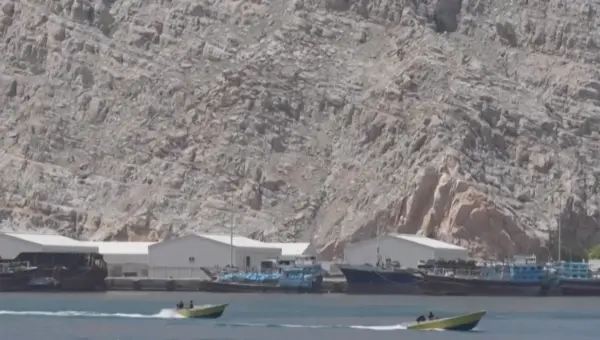
The Strait of Hormuz remains largely blocked with over 3,000 ships waiting, despite a ceasefire agreement. Escalating conflict in Lebanon and Iran's demands for asset release and a Lebanese ceasefire are jeopardizing peace talks. This disruption impacts global energy markets and highlights the region's strategic importance.

VP Vance Leads Crucial Iran Talks Amidst Complex Challenges
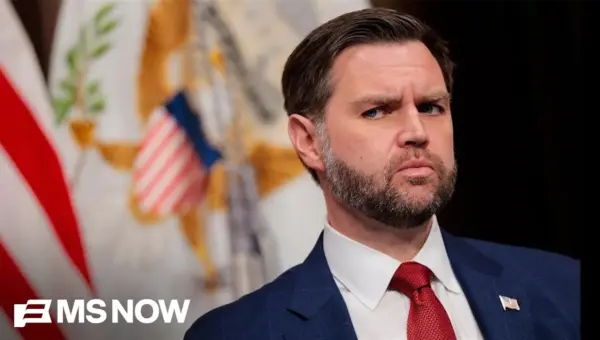
Vice President Vance is leading critical U.S. negotiations with Iran in Pakistan, aiming to end a regional conflict. The talks face significant hurdles, including ongoing Israeli actions in Lebanon and disruptions in the Strait of Hormuz, which Iran increasingly controls. Internal White House dynamics and unclear negotiating instructions add further complexity to the high-stakes discussions.
Israel, Lebanon Eye Ceasefire Talks on Hezbollah
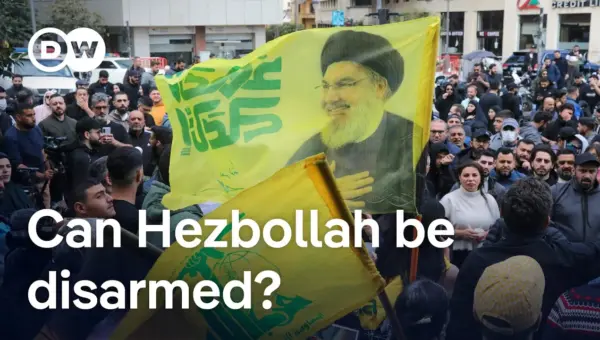
Ceasefire talks between Israel and Lebanon, brokered by the U.S., are set to begin in Washington to address the demobilization of Hezbollah. The group's dual role as a political party and powerful militant force, deeply integrated into Lebanese society and backed by Iran, presents significant challenges to disarmament efforts. Analysts suggest a lasting resolution is unlikely in the near future.